
What is a Vacuum Planetary Mill Jar? A High-Purity Grinding Container for Atmosphere-Sensitive Material Processing

What is a Vacuum Planetary Mill Jar?
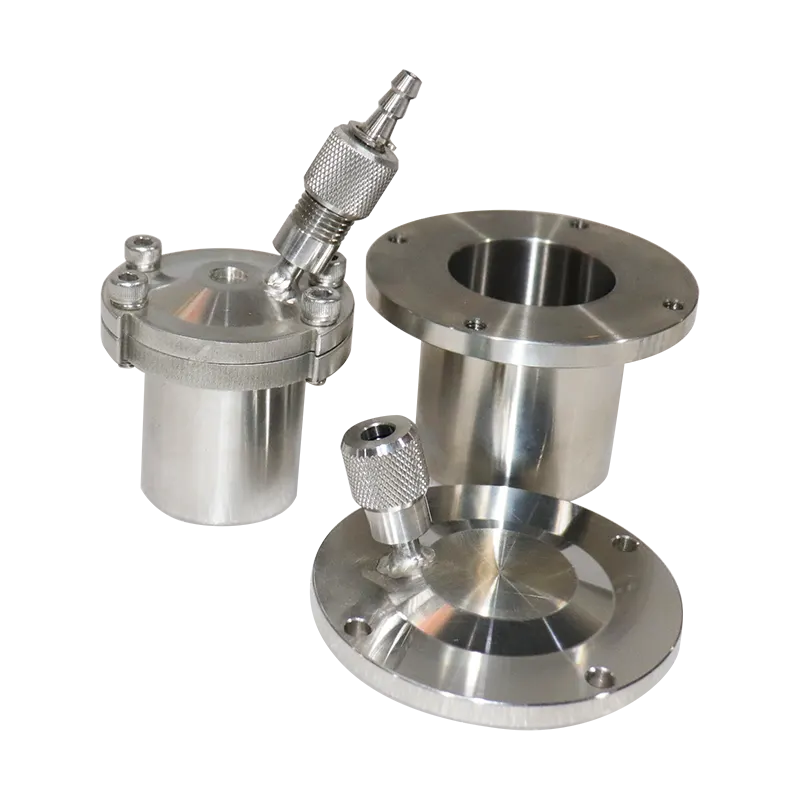
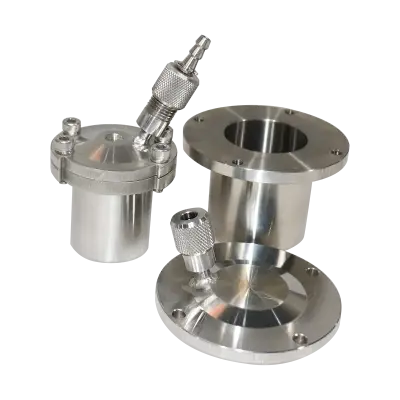
At its core, a vacuum planetary mill jar is a specialized grinding container designed for use with planetary ball mills, enabling sample processing under vacuum or controlled inert gas conditions. Researchers and engineers in materials science, chemistry, and nanotechnology use it to grind, mix, or mechanically alloy powders that are sensitive to air, moisture, or oxygen. By creating a sealed environment, the vacuum jar prevents oxidation, contamination, and unwanted chemical reactions during high-energy milling, making it indispensable for advanced material preparation, such as battery materials, rare earth compounds, and nano-powders.
Core Function and Working Principle
The essential function of a vacuum planetary mill jar is to isolate the sample from the external atmosphere while being subjected to the intense mechanical forces of a planetary ball mill. The jar is mounted on the mill's rotating platform, which rotates both around the central axis (revolution) and its own axis (rotation). This planetary motion generates high centrifugal forces, causing grinding balls inside the jar to collide, shear, and frictionally interact with the powder, achieving particle size reduction down to the nanometer scale.
Unlike standard jars, a vacuum jar incorporates a sealing mechanism—typically a valve or a sealed lid with O-rings—that allows the interior to be evacuated or filled with inert gas (e.g., argon, nitrogen) before milling. This protects oxygen- or moisture-sensitive materials from degradation. Many models also feature a pressure gauge port to monitor the internal atmosphere. The material of the jar (e.g., 304 stainless steel, zirconia, or tungsten carbide) must be chosen to match the sample's hardness and chemical compatibility, while the vacuum seal must withstand both the mechanical stress and the pressure differential during milling.
Key Components and Technologies
Vacuum planetary mill jars differ from standard jars primarily in their sealing system and material construction. The key components include:
- Vacuum Seal Assembly: A high-quality O-ring or gasket system, often made of Viton or silicone, ensures a leak-tight seal. The lid may include a valve for connecting to a vacuum pump or inert gas line.
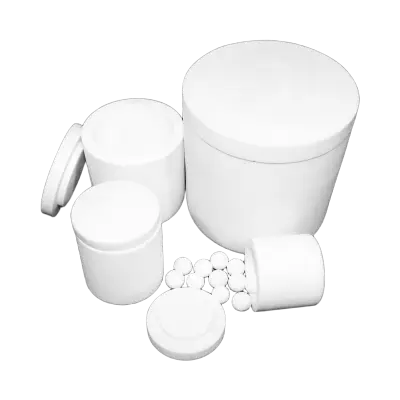
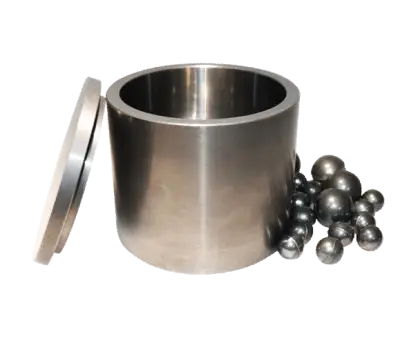
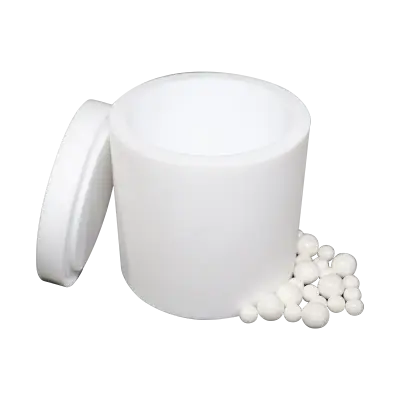
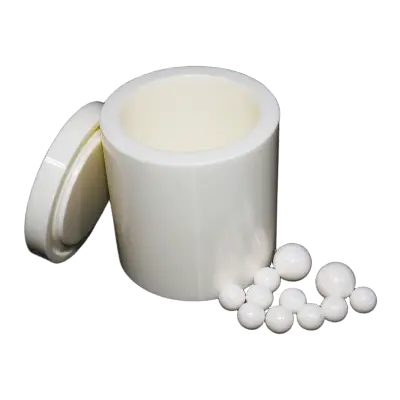
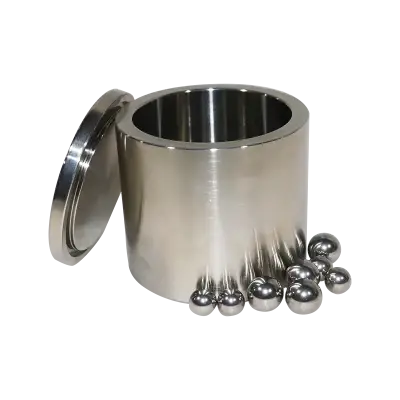
- Jar Body Material: Common materials include 304 stainless steel (for general use), zirconia (for wear resistance and low contamination), tungsten carbide (for extremely hard samples), and nylon or PTFE (for corrosion resistance). For vacuum use, stainless steel is most common due to its strength and weldability.
- Clamping Mechanism: The jar must be securely fastened to the mill's socket. Lock clamps or quick-release systems are typical to prevent accidental opening during operation.
- Optional Accessories: Some jars come with a pressure relief valve, a thermocouple port, or a sight glass for monitoring.
Key Performance Indicators and Selection Criteria
When selecting a vacuum planetary mill jar, consider the following parameters:
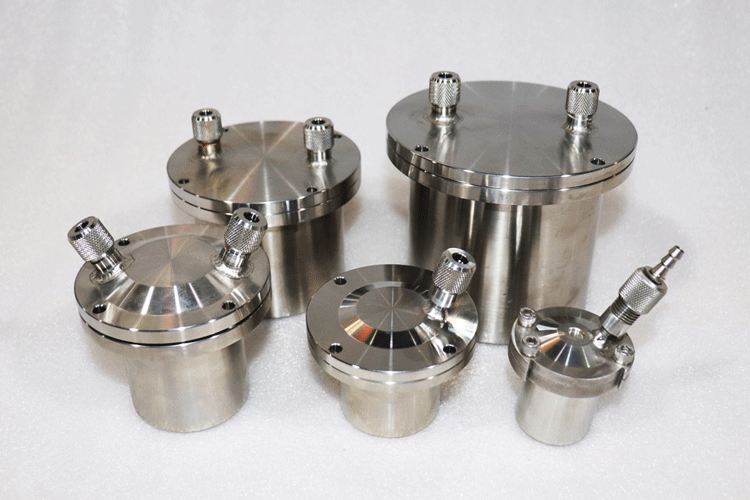
- Volume Capacity: Typically ranging from 50 mL to 500 mL per jar, with 250 mL and 500 mL being common. The total sample volume should not exceed two-thirds of the jar's capacity.
- Vacuum Rating: The ability to maintain a vacuum or inert atmosphere. High-quality jars can achieve a vacuum level down to 10 Pa or lower. Check the leakage rate specification.
- Maximum Rotational Speed: Varies with jar material and construction. Stainless steel jars can withstand higher RPM (e.g., 600 rpm or more) than nylon or PTFE jars.
- Material Hardness: The jar must be harder than the sample to avoid contamination. For example, tungsten carbide is suitable for hard materials like silicon carbide, while zirconia is ideal for ceramic grinding.
- Chemical Compatibility: Ensure the jar material does not react with the sample or the grinding media. For example, PTFE is inert to most acids and bases, while stainless steel may corrode with strong acids.
- Ease of Maintenance: Look for jars with smooth inner surfaces, easy-to-clean designs, and replaceable seals.
Applications and Selection Advice
Vacuum planetary mill jars are widely used in:
- Battery Materials: Grinding lithium-ion battery cathode/anode materials (e.g., LiCoO2, graphite) under inert atmosphere to prevent oxidation.
- Nanomaterials: Producing nanoparticles of metals, oxides, or semiconductors that are highly reactive in air.
- Mechanical Alloying: Creating alloys from elemental powders that would otherwise oxidize, such as titanium-aluminum or nickel-based superalloys.
- Pharmaceuticals & Chemicals: Milling temperature-sensitive or moisture-sensitive API powders.
- Geology & Mining: Preparing samples for analysis without altering their oxidation state.
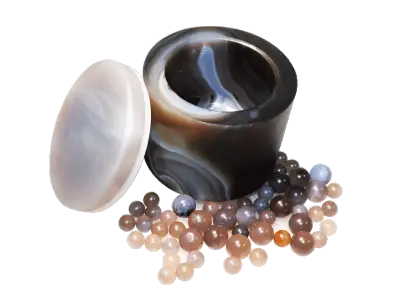
For users just starting, a 304 stainless steel vacuum jar (e.g., vacuum planetary mill jar) with a 250 mL capacity is a versatile choice. For ultra-high purity applications, consider a zirconia planetary mill jar or a agate planetary mill jar when working with hard ceramics. If maximum grinding efficiency is required for extremely hard materials, a tungsten carbide planetary mill jar is recommended. Always match the jar material to both the sample and the desired contamination level.
References
Product page: Vacuum Planetary Mill Jar
Related jars: 304 Stainless Steel Planetary Mill Jar, Zirconia Planetary Mill Jar, Tungsten Carbide Planetary Mill Jar
Related Products
Get In Touch
Our professional team will reply to you within one business day. Please feel free to contact us!