
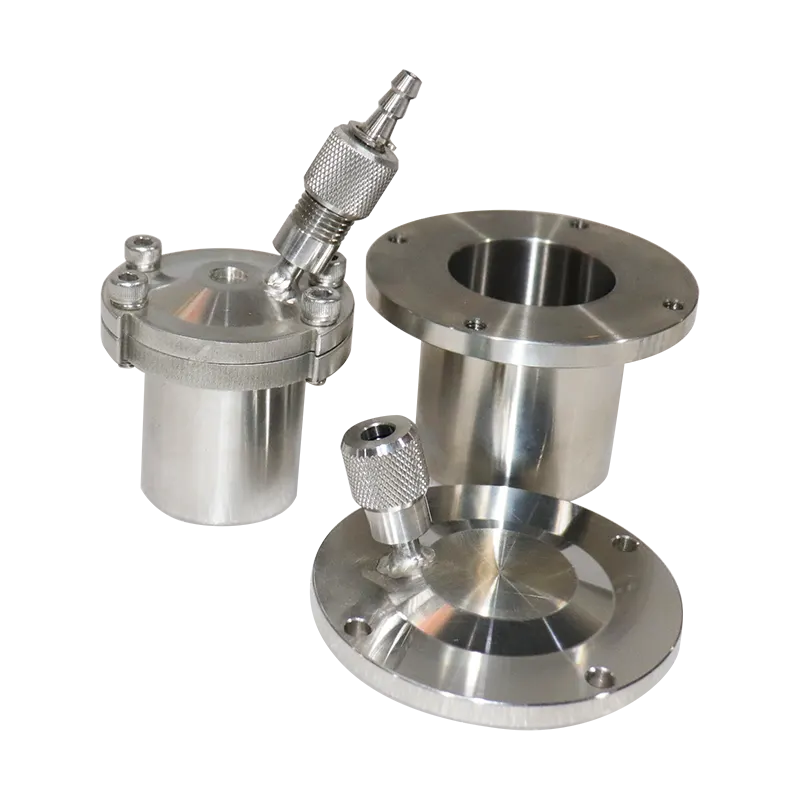
What is a Vacuum Planetary Mill Jar? A Sealed Grinding Vessel for Air-Sensitive Materials in Planetary Ball Mills

Introduction
A vacuum planetary mill jar is a specialized grinding container used in planetary ball mills, engineered with an airtight sealing system that enables milling under vacuum or controlled inert gas atmosphere. This vessel is critical for processing materials that are sensitive to oxygen, moisture, or other atmospheric contaminants, such as metal powders, battery electrode materials, and certain ceramics. By preventing oxidation and unwanted chemical reactions, the vacuum jar ensures sample purity and reproducibility, making it indispensable in advanced materials research, nanotechnology, and high-tech manufacturing.
Core Function and Working Principle
The vacuum planetary mill jar operates on the same principle as a standard planetary ball mill jar but with an added layer of environmental control. The jar is mounted on a rotating platform (sun wheel) and simultaneously spins on its own axis. This planetary motion creates powerful centrifugal and Coriolis forces, causing the grinding balls inside to collide, shear, and compress the sample material into fine particles.
The key innovation of the vacuum jar is its sealing mechanism. A high-quality vacuum seal, often composed of O-rings and a threaded or clamped lid, allows the jar to be evacuated using a vacuum pump or filled with inert gas like argon or nitrogen. This eliminates air and moisture from the milling environment, which is crucial for materials that easily oxidize or degrade. The grinding process can thus proceed without contamination, and the final product retains its intended chemical and physical properties.
Typical operating parameters include rotation speed (e.g., 300–800 rpm), ball-to-powder ratio, and milling time. The vacuum jar can be used in both dry and wet milling, provided the liquid medium is compatible with the seal and jar material.
Structure and Material Options
Vacuum planetary mill jars are available in a variety of materials to suit different milling applications. The choice of material affects wear resistance, contamination potential, and chemical compatibility. Common materials include:
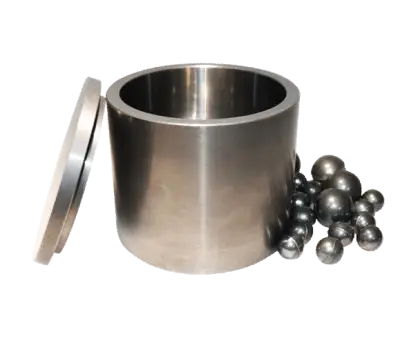
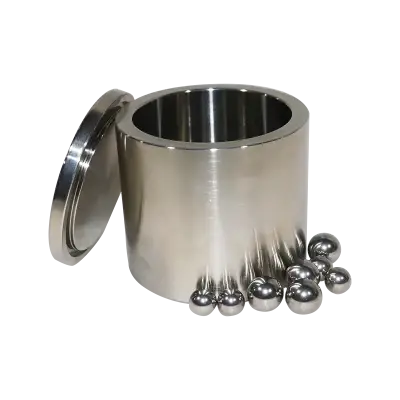
- 304 Stainless Steel: A durable, corrosion-resistant option for general-purpose milling. The vacuum jar variant is often made from stainless steel with a Viton or silicone O-ring seal. 304 stainless steel planetary mill jar is a popular choice.
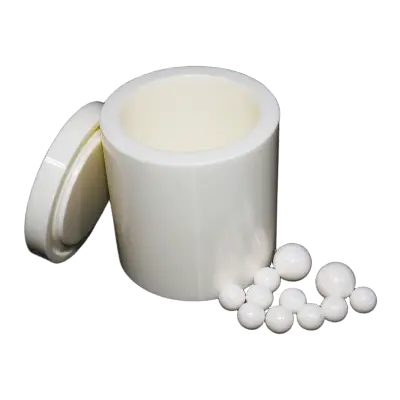
- Zirconia: Very hard and wear-resistant, ideal for grinding ceramics and hard materials without metal contamination. Zirconia planetary mill jar offers excellent abrasion resistance.
- Corundum: High-purity alumina ceramic, good for abrasive materials and high-temperature applications, though not all corundum jars are vacuum-rated.
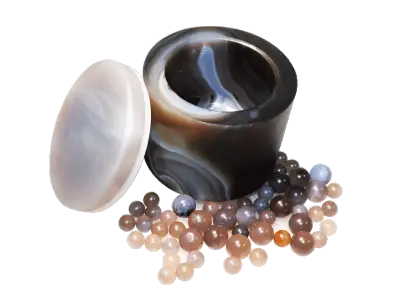
- Agate: Naturally occurring quartz, providing a very smooth inner surface and minimal contamination for trace analysis.
- Nylon and Tempered Nylon: Lightweight, cost-effective, and suitable for medium-hard materials. Nylon planetary mill jar is available in vacuum versions.
- PU (Polyurethane): Excellent wear resistance and low noise, often used for wet grinding with metallic powders.
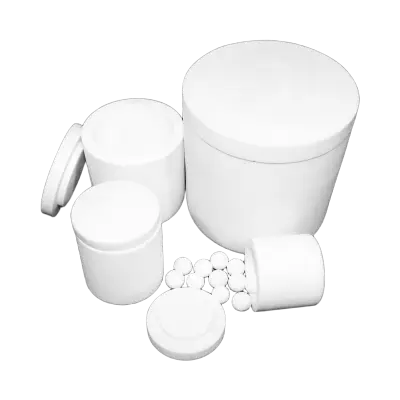
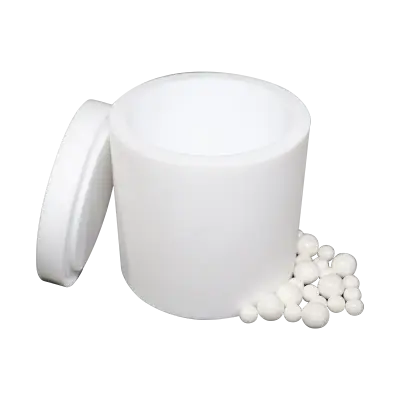
- PTFE (Teflon): Chemically inert and non-stick, ideal for highly corrosive materials.
- Tungsten Carbide: Extremely hard and dense, suitable for grinding very hard materials like carbides and minerals.
For vacuum applications, the jar must be designed with a reliable sealing system. Many manufacturers offer vacuum jars with a special lid that can be connected to a vacuum pump. The vacuum planetary mill jar product page provides detailed specifications.
Key Performance Indicators and Selection Guide
When selecting a vacuum planetary mill jar, consider the following factors:
- Volume Capacity: Common sizes range from 50 ml to 500 ml. Choose based on the required sample batch size.
- Vacuum Level: The seal must maintain a vacuum of at least 10⁻² mbar (or better) for sensitive materials. Check the manufacturer's specifications.
- Material Hardness: Match the jar material to the hardness of the sample to minimize wear and contamination. For example, tungsten carbide jars are needed for diamond or carbide grinding.
- Chemical Compatibility: Ensure the jar material does not react with the sample or milling medium. PTFE is ideal for acids and alkalis; stainless steel can corrode under certain conditions.
- Temperature Range: Some jars can withstand high temperatures generated during milling; others may degrade. Zirconia and corundum have high thermal stability.
- Ease of Cleaning: Smooth inner surfaces (like agate or PTFE) are easier to clean and reduce cross-contamination.
- Automation and Compatibility: Most vacuum jars are designed to fit standard planetary ball mills. Check the jar's outer dimensions and locking mechanism.
Applications and Recommendations
Vacuum planetary mill jars are widely used in:
- Battery Materials Research: Grinding of cathode and anode materials (e.g., LiCoO₂, graphite, silicon) under inert atmosphere to prevent oxidation.
- Nanomaterials Synthesis: Mechanical alloying of metal nanoparticles, where air exposure would cause agglomeration or oxidation.
- Pharmaceuticals and Fine Chemicals: Milling of temperature-sensitive or reactive compounds that must be kept dry and oxygen-free.
- Ceramics and Refractories: Processing of high-purity oxides and carbides without contamination.
- Geology and Mining: Pulverizing ore samples that may contain sulfides or other air-sensitive minerals.
For users who require maximum purity and reproducibility, a vacuum jar combined with a high-quality planetary ball mill is the recommended setup. For routine grinding of stable materials, a standard jar may suffice. Always consult the manufacturer's guidelines for proper vacuum sealing and operation.
References
Related Products
Get In Touch
Our professional team will reply to you within one business day. Please feel free to contact us!