

What is a Vacuum Planetary Mill Jar? A Sealed Grinding Vessel for Controlled Atmosphere Powder Processing
What is a Vacuum Planetary Mill Jar?
At its core, a vacuum planetary mill jar is a specialized grinding vessel designed for use with planetary ball mills. It is used by laboratories and industries to grind, mix, or homogenize powders under a controlled atmosphere, such as vacuum or inert gas. The key differentiator is its ability to seal the sample environment, preventing oxidation, moisture absorption, or cross-contamination during the milling process. This makes it an essential tool for processing air-sensitive materials, high-purity compounds, and advanced nanomaterials.
Core Function and Working Principle
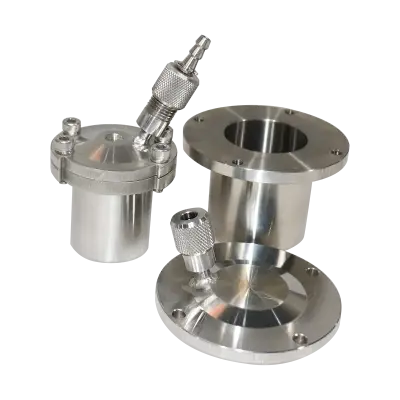
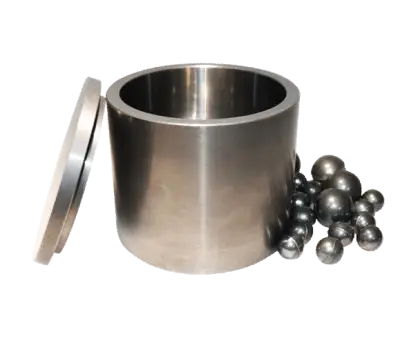
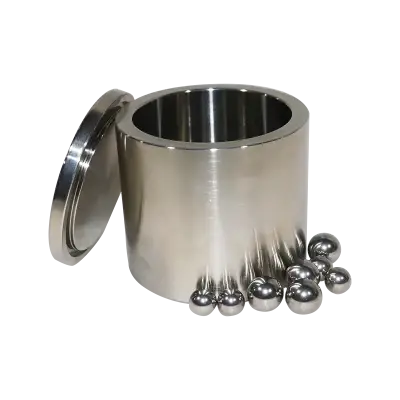
The vacuum planetary mill jar transforms bulk or coarse powder into fine or ultra-fine particles while maintaining a pristine chemical environment. The jar itself is a robust, airtight container made of high-purity materials like SUS 304 stainless steel, which offers excellent corrosion resistance and durability. It is equipped with a vacuum-tight lid and sealing mechanism, often featuring threaded ports and O-rings to ensure a secure seal.
When installed on a planetary ball mill, the jar undergoes a dual-rotation motion: the mill's main disk rotates (revolution), while each jar spins on its own axis (rotation) in the opposite direction. This creates powerful centrifugal forces and Coriolis effects, driving the grinding media (balls) and sample against the jar walls. The resulting high-energy impacts and friction achieve rapid size reduction. The vacuum seal remains intact throughout the process, allowing the user to evacuate the jar or fill it with inert gas (e.g., argon, nitrogen) before milling. This controlled atmosphere is critical for materials that are prone to oxidation or require strict chemical stability.
Key Components and Technologies
While the vacuum planetary mill jar itself is a single product type, its performance depends on several critical design elements:
1. Material and Construction
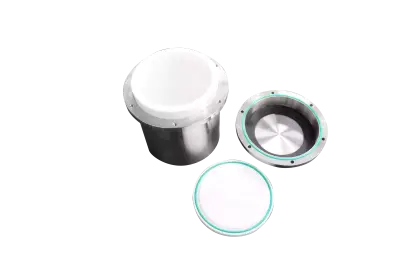
High-purity SUS 304 stainless steel is the standard choice for its combination of strength, corrosion resistance, and compatibility with a wide range of chemicals. The jar's inner surface is polished to minimize contamination and facilitate cleaning. Some models may feature a zirconia lining for applications requiring even higher wear resistance or lower metal contamination.
2. Vacuum Sealing System
The lid assembly includes a threaded port for vacuum pump connection and a durable O-ring seal. This design ensures that the jar can maintain a vacuum level sufficient for most lab-scale applications (typically down to 10^-2 to 10^-3 mbar). The seal also prevents gas leakage during extended milling runs.
3. Safety and Compatibility
Vacuum jars are designed to withstand the mechanical stresses of planetary milling. They are compatible with popular planetary ball mill models from brands like TENCAN, and often include lock clamps or other fastening mechanisms to secure the jar during operation.
Key Performance Indicators and Selection Guide
When selecting a vacuum planetary mill jar, consider the following parameters:
1. Volume and Capacity
Common volumes range from 50 mL to 500 mL, with 500 mL being a popular choice for lab-scale production. The jar's capacity determines the maximum sample load; typically, the jar should be filled to about one-third of its volume with grinding media and sample.
2. Vacuum Performance
The ability to hold a stable vacuum for the duration of the milling process is crucial. Look for jars with verified leak rates and high-quality seals. Some manufacturers provide specifications like "vacuum holding time" or "ultimate vacuum".
3. Material Compatibility
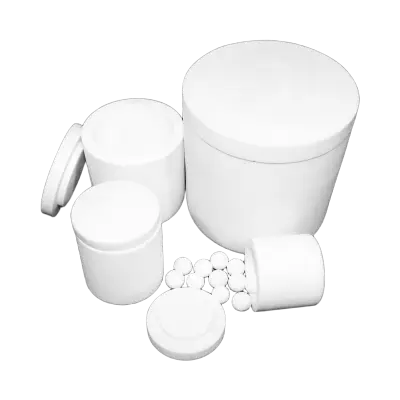
Choose a jar material that will not react with your sample. SUS 304 stainless steel is suitable for most non-corrosive materials, but for highly corrosive or ultra-pure applications, a zirconia-lined or PTFE-lined jar may be necessary.
4. Ease of Maintenance
The jar should be easy to disassemble for cleaning, with replaceable seals and O-rings. A threaded port design with a secure lid simplifies setup and reduces downtime.
Applications and Selection Advice
Vacuum planetary mill jars are widely used in fields such as:
- Nanomaterials synthesis: Preparing nanoparticles, graphene, or carbon nanotubes under inert atmosphere to prevent oxidation.
- Pharmaceuticals: Grinding active pharmaceutical ingredients (APIs) that are sensitive to moisture or oxygen.
- Battery materials: Ball milling cathode or anode materials (e.g., lithium iron phosphate) in a dry, oxygen-free environment.
- Metal powders: Processing reactive metals like aluminum, magnesium, or titanium without ignition.
- Ceramics and advanced materials: Producing high-purity ceramic powders with controlled particle size.
For users who primarily work with air-sensitive samples, investing in a vacuum planetary mill jar is essential. If your lab frequently handles materials that must be ground under inert gas (e.g., glove-box-compatible processes), choose a jar with a well-designed vacuum port that can be easily connected to a pump or gas line. For occasional use, a standard 304 stainless steel vacuum jar offers a good balance of cost and performance.
References
Related Products
Get In Touch
Our professional team will reply to you within one business day. Please feel free to contact us!