

What is a Laboratory Cone Ball Mill? A Lab Grinding Equipment for Wet Fine Grinding of Ore and Minerals
What is a Laboratory Cone Ball Mill?
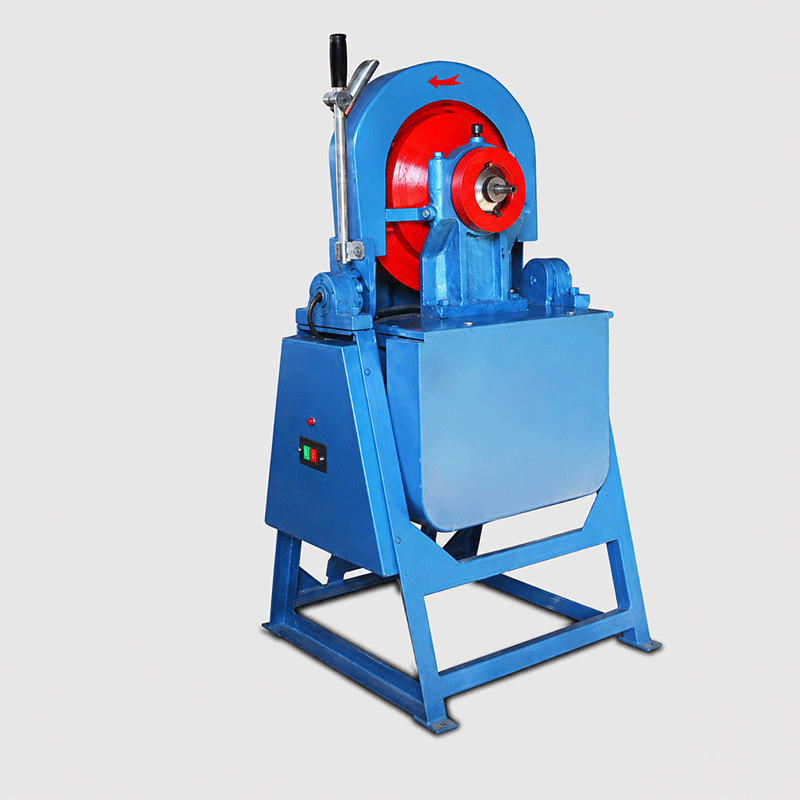
At its core, a laboratory cone ball mill is a specialized grinding device used in mineral processing, geology, metallurgy, chemistry, and construction research laboratories. It is designed to convert coarse ore particles (typically ≤3 mm) into fine powders down to 0.074 mm (200 mesh) through a combination of impact and attrition. The equipment is particularly valued for its compact size, ease of operation, and ability to produce consistent, reproducible results for mineral feasibility studies and sample preparation.
Core Function and Working Principle
The fundamental function of the laboratory cone ball mill is to reduce the particle size of solid materials from coarse granules to a fine powder, primarily for analytical or experimental purposes. The mill operates on the principle of a horizontal rotating cylinder. The main body is a horizontally mounted cylindrical drum with a conical discharge end, lined with wear-resistant liners. Inside the drum, a certain number of steel balls or ceramic balls are loaded as grinding media.
When the cylinder rotates, the grinding media are lifted to a certain height by centrifugal force and friction. As they fall, they impact and crush the material trapped between them. The material enters the mill through a hollow shaft feed port and travels along the drum. The first chamber contains stepped or corrugated liners for coarse grinding, while the second chamber (if present) uses smooth liners for finer grinding. The final fine product is discharged through a grate plate at the conical end. The grinding time and speed can be precisely controlled via a variable frequency drive, allowing both dry and wet grinding modes.
Key process parameters include the rotation speed (typically 60-112 rpm depending on model), the size and quantity of grinding balls, the feed particle size (≤3 mm), and the desired output fineness (down to 0.074 mm). Adjusting these parameters directly influences the grinding efficiency and final particle size distribution.
Main Types and Models
The laboratory cone ball mill is commonly available in several standard models, each tailored for different processing capacities. The most common series is the XMQ series, which includes:
- XMQΦ150×50 – small capacity model, with a feed capacity of 200 g, motor power 0.25 kW, and weight 150 kg. Ideal for batch processing of small samples.
- XMQΦ240×90 – medium capacity model, handling 500-1000 g per batch, motor power 0.55 kW, weight 170 kg. Suitable for routine lab work.
- XMQΦ350×160 – large capacity model, capable of processing up to 4000 g per batch, motor power 1.1 kW, weight 300 kg. Used for larger sample batches or when higher throughput is needed.
All models accept feed particles up to 3 mm and can grind to 0.074 mm (200 mesh). The choice of model depends on the required sample quantity and available laboratory space. Additionally, some units offer both wet and dry grinding capabilities, while the smallest model (150×50) is often used exclusively for dry grinding.
Key Performance Indicators and Selection Criteria
When selecting a laboratory cone ball mill, users should evaluate several critical factors:
- Processing Capacity: The feed capacity per batch ranges from 200 g to 4000 g. Choose a model that matches your typical sample size.
- Grinding Fineness: All models can achieve an output fineness of 0.074 mm (200 mesh). For finer requirements, additional grinding time or different media may be needed.
- Motor Power and Speed Control: Variable frequency drive enables flexible speed adjustment, which is crucial for optimizing grinding efficiency for different materials.
- Noise and Dust Control: The sealed grinding chamber and low-noise design make it suitable for clean laboratory environments. No special foundation is required.
- Ease of Maintenance: The simple structure and easy access to the grinding chamber simplify cleaning and media replacement. The use of wear-resistant liners extends service life.
- Automation: Most models have a timer for automatic shutdown, allowing unattended operation.
These factors directly impact the quality of sample preparation and the reproducibility of test results. For example, a laboratory conducting routine mineral analysis may prefer the medium model (240×90) for its balance of capacity and convenience, while a research institute needing high throughput might opt for the large model (350×160).
Application Areas and Selection Recommendations
The laboratory cone ball mill is widely used in:
- Mineral processing laboratories – for ore grindability tests, mineral liberation analysis, and flotation feed preparation.
- Geological and metallurgical research – for sample preparation in chemical analysis and mineral identification.
- Chemical and construction materials testing – for grinding cement, clinker, ceramics, and pigments.
- Educational institutions – for teaching and research in powder technology and mineral engineering.
For laboratories that process a high volume of samples daily, the XMQΦ350×160 model is recommended. For occasional use or small sample sizes, the 150×50 or 240×90 models are more cost-effective. If wet grinding is required, ensure the model supports wet operation (all except the smallest model). For those needing drying or combined grinding-drying, a separate drying oven may be needed.
References
Product page: Laboratory Cone Ball Mill
Related Products
Get In Touch
Our professional team will reply to you within one business day. Please feel free to contact us!