

What is a Laboratory Cone Ball Mill? A Precision Grinding Equipment for Ore Sample Preparation in Mineral Processing
What is a Laboratory Cone Ball Mill?
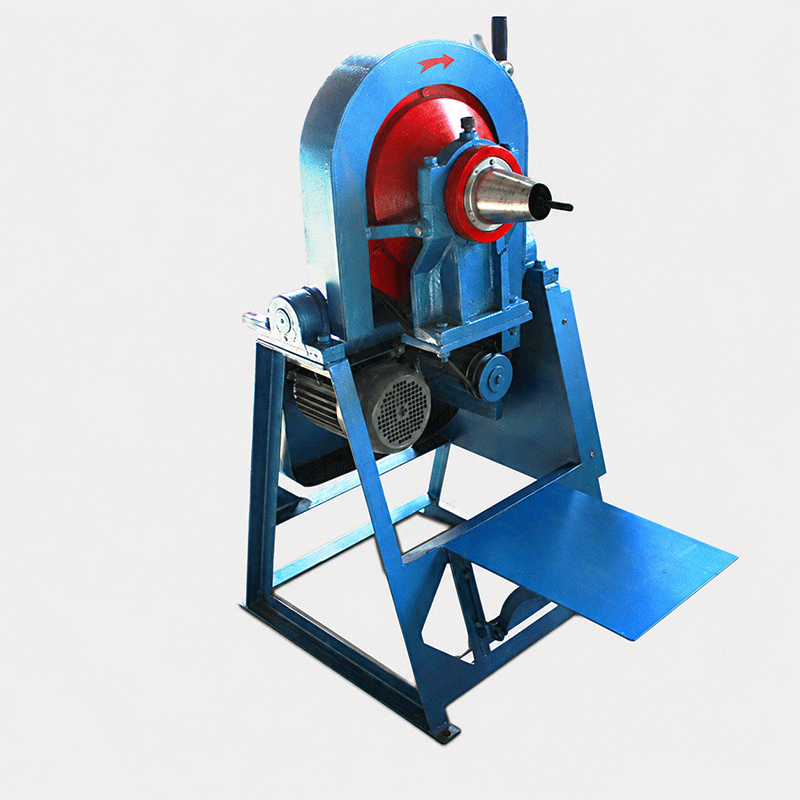
At its core, a laboratory cone ball mill is a specialized grinding device designed for fine grinding of ore samples and other materials in research and laboratory settings. It is widely used in metallurgy, geology, chemistry, construction, and coal industries to prepare samples for mineral feasibility studies, flotation tests, and other analytical work. The unique conical shape of the mill body allows natural segregation of grinding media, improving grinding efficiency and product fineness.
Core Function and Working Principle
The laboratory cone ball mill converts coarse feed material (typically <3mm) into fine powder (down to 0.074mm) through the combined action of impact and attrition. The cylindrical-conical drum rotates around its horizontal axis, driven by an electric motor. Inside the drum, grinding media (steel balls or ceramic balls) are lifted by the rotating motion and then fall, crushing the material.
What makes the cone ball mill distinctive is its tapered discharge end. The conical shape causes larger grinding balls to remain near the feed end (the widest part of the drum), while smaller balls migrate toward the discharge end. This natural classification ensures that coarse particles are subjected to high-energy impact, while finer particles experience gentle grinding, reducing over-grinding and improving size distribution. The mill can operate in both dry and wet modes, and the grinding time can be precisely controlled via a timer or variable frequency drive.
Main Types: XMQ Series Models
The XMQ series is the most common laboratory cone ball mill line, available in several sizes to suit different sample volumes. The key models include:
- XMQΦ150×50: Feed capacity 200g, suitable for small-scale tests. Motor 0.25kW, weight 150kg.
- XMQΦ240×90: Feed capacity 500–1000g, the most popular model for routine lab work. Motor 0.55kW, weight 170kg.
- XMQΦ350×160: Feed capacity 4000g, ideal for larger sample batches. Motor 1.1kW, weight 300kg.
All models accept feed size up to 3mm and can produce a product with 90% passing 0.074mm (200 mesh). The choice of model depends on the required sample quantity per batch and available bench space. Modern versions also feature digital timers, variable speed control, and automatic tilting for easy discharge.
Key Performance Indicators and Selection Criteria
When selecting a laboratory cone ball mill, consider the following parameters:
- Grinding capacity: The amount of material per batch (200g to 4000g).
- Feed and product size: Typically -3mm feed, -0.074mm product. Some models can achieve finer sizes with longer grinding.
- Motor power and speed: Affects grinding intensity and throughput. Variable frequency drive allows adjustable speed.
- Wet/dry capability: Most models can handle both, but check specifications for the XMQ150×50 which is suitable for dry grinding.
- Automation: Features like digital timer, auto-reverse, and tilting mechanism improve ease of use and reproducibility.
- Noise and dust: Sealed designs minimize noise and dust, making them suitable for clean lab environments.
Applications and Selection Advice
The laboratory cone ball mill is primarily used in mineral processing laboratories for ore grindability tests, flotation feed preparation, and chemical analysis sample preparation. It is also found in universities, research institutes, and quality control departments in the cement, ceramics, and coal industries. For users who need to grind a small number of samples regularly, the XMQΦ240×90 offers a good balance of capacity and footprint. For high-throughput labs, the XMQΦ350×160 is recommended. If you require more advanced control, consider models with a touchscreen interface and programmable grinding cycles.
References
For more detailed specifications and ordering information, please visit the Laboratory Cone Ball Mill product page.
Related Products
Get In Touch
Our professional team will reply to you within one business day. Please feel free to contact us!