

What is a Laboratory Cone Ball Mill? A Versatile Grinding Equipment for Fine Ore Processing in Laboratories
What is a Laboratory Cone Ball Mill? A Versatile Grinding Equipment for Fine Ore Processing in Laboratories
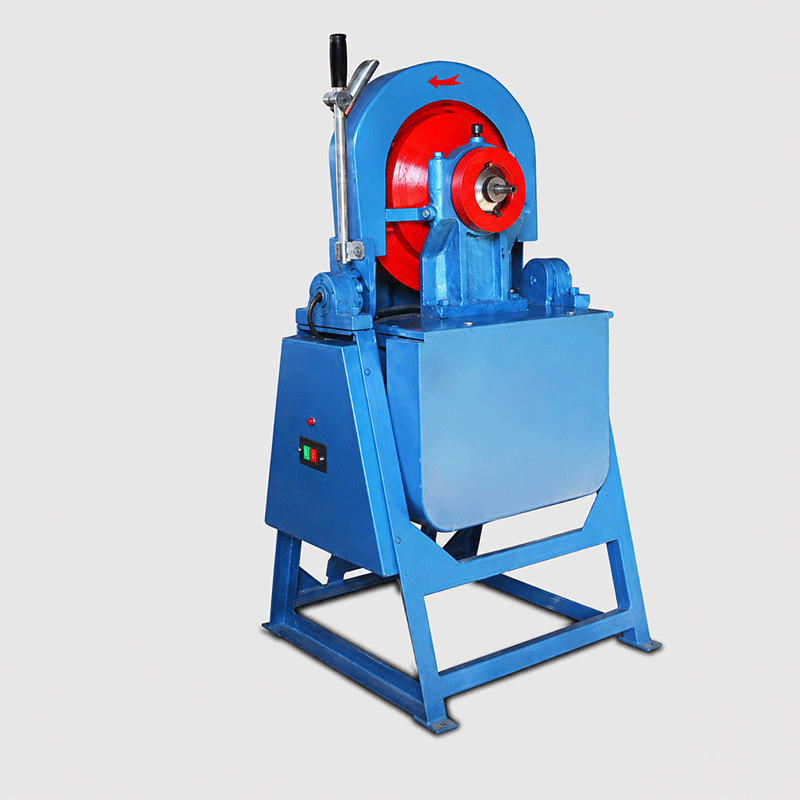
At its core, a laboratory cone ball mill is a compact, highly efficient grinding device specifically designed for fine crushing and pulverization of ore samples and other brittle materials in research and testing environments. It is a specialized type of ball mill whose drum is shaped like a cone, allowing for efficient size reduction through a combination of impact and attrition. Laboratories in mineral processing, metallurgy, geology, and materials science use it to prepare samples for subsequent analysis or downstream beneficiation tests.
Core Function and Working Principle
The laboratory cone ball mill transforms coarse or medium-sized ore particles into fine powders required for analysis or further processing. Its working principle is based on the familiar ball mill mechanism: a horizontally rotating drum partially filled with grinding media (usually steel balls) and the material. As the drum rotates, the balls are lifted and then cascade down, impacting and grinding the material between them.
The unique conical shape of the drum, however, provides distinct advantages. The cone end (the discharge end) has a smaller diameter than the cylindrical section, which creates a natural classification effect: finer particles exit more easily while coarser particles are retained for further grinding. This improves grinding efficiency and produces a more uniform product size. The mill can be operated in both dry and wet modes, making it suitable for a wide range of materials, including ores, coal, ceramics, and chemicals.
Key process parameters that affect the final product fineness include rotation speed, grinding time, ball-to-material ratio, and the size of the grinding media. By adjusting these parameters, operators can achieve grind sizes ranging from coarse powders (several hundred microns) down to sub-micron levels.
Key Components and Design Features
A typical laboratory cone ball mill consists of the following main parts:
- Conical Drum: The rotating shell made of wear-resistant steel, featuring a conical discharge end for classification.
- Grinding Media: Spherical steel balls of various diameters (e.g., 10–50 mm) that provide the crushing action.
- Liner: Replaceable inner lining (often rubber or ceramic) to protect the drum and reduce contamination.
- Feed and Discharge System: A manual or automatic feeding hopper and a discharge grate or overflow spout.
- Drive System: A motor, gearbox, and coupling that rotate the drum at a controlled speed (typically 60–80% of critical speed).
- Control Panel: For setting speed, time, and optional safety features.
Unlike planetary ball mills that use high-speed rotation, cone ball mills operate at lower speeds with a simpler tumbling action, making them robust and reliable for routine laboratory grinding tasks.
Key Performance Indicators and Selection Guide
When selecting a laboratory cone ball mill, several critical factors should be considered:
Processing Capacity
Laboratory models typically handle small batches ranging from 100 grams to a few kilograms per batch. The capacity depends on drum volume, which is usually between 1 L and 20 L. Choose a model that matches your typical sample size.
Grinding Fineness
The achievable fineness is influenced by grinding time and ball size. Most cone ball mills can produce powders down to 75–150 microns (100–200 mesh) in standard operation, and with extended grinding, can reach sub-50 microns.
Material Compatibility
Consider the hardness and abrasiveness of your samples. For harder ores, steel liners and balls are recommended; for softer or chemically sensitive materials, ceramic or rubber liners may be preferable to avoid contamination.
Wet vs. Dry Grinding
Some models support both modes. Wet grinding is often preferred for mineral processing tests because it reduces dust and improves efficiency, while dry grinding is suitable for materials that cannot tolerate moisture.
Automation and Safety
Modern lab cone ball mills often include digital timers, speed controllers, and emergency stop buttons. Some feature automatic discharge systems for easier operation.
Application Areas and Selection Advice
The laboratory cone ball mill is widely used in:
- Mineral Processing Research: Preparing ore samples for flotation, magnetic separation, gravity concentration, and leaching tests.
- Geology and Mining: Grinding exploration core samples for chemical analysis.
- Materials Science: Fine grinding of ceramics, cement clinker, and construction materials.
- Chemical Industry: Reducing particle size of catalysts, pigments, and other powders.
- Education: Teaching particle size reduction principles in university labs.
For a small laboratory with low sample throughput, a compact cone ball mill with a 1–5 L capacity is cost-effective. For labs conducting multiple tests daily, a larger model with automatic feeding and discharge is recommended. Ensure the mill is compatible with your target material hardness and desired fineness. For more details, visit the Laboratory Cone Ball Mill product page.
References
Related Products
Get In Touch
Our professional team will reply to you within one business day. Please feel free to contact us!