
What is a Lab Stirred Ball Mill? A High-Efficiency Grinding Equipment for Fine and Ultra-Fine Grinding in Laboratories

What is a Lab Stirred Ball Mill? A High-Efficiency Grinding Equipment for Fine and Ultra-Fine Grinding in Laboratories
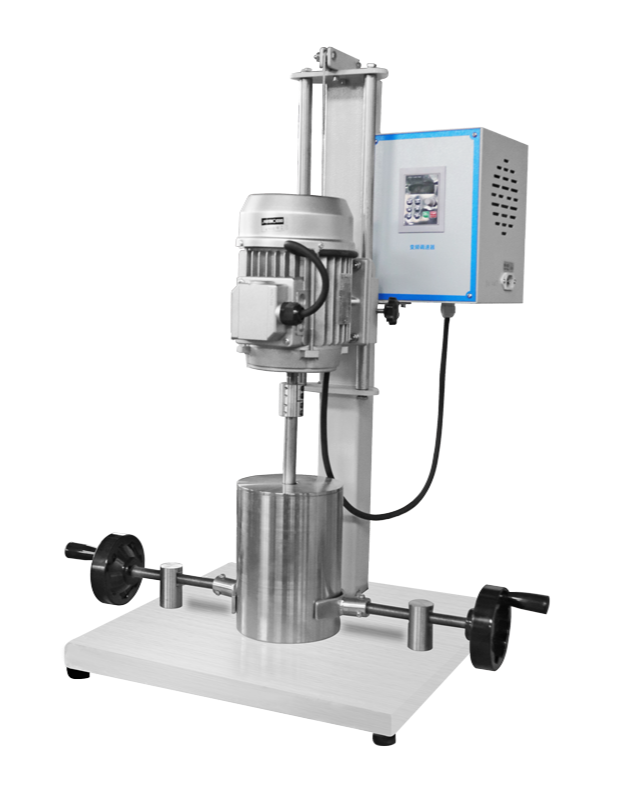
At its core, a lab stirred ball mill is a specialized high-efficiency grinding equipment used in laboratories for fine and ultra-fine grinding of materials. Unlike conventional ball mills where the drum rotates, the grinding chamber of a stirred ball mill remains stationary while an internal agitator (stirrer) drives the grinding media and material, generating intense impact, shear, and friction forces. This design allows for significantly higher energy density and finer particle sizes, making it ideal for research, development, and small-scale production in fields such as mining, metallurgy, ceramics, chemicals, pharmaceuticals, and advanced materials.
Core Function and Working Principle
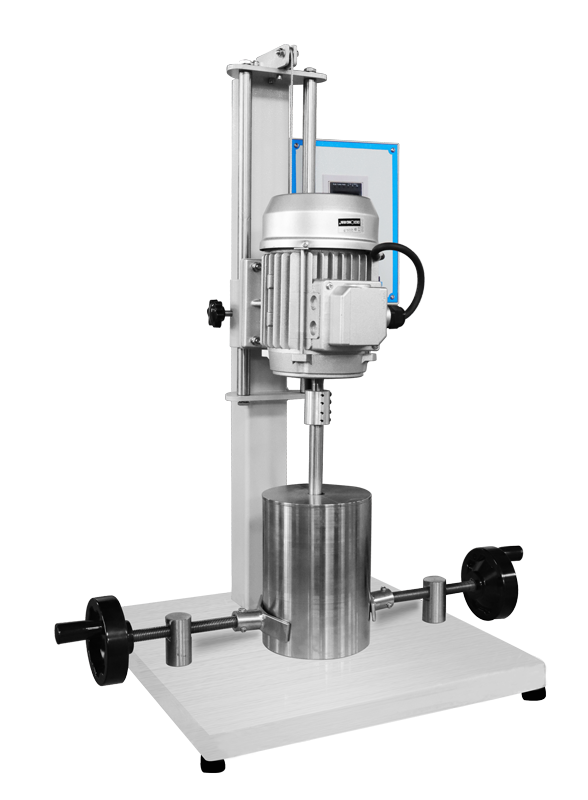
The primary function of a lab stirred ball mill is to reduce solid materials from coarse or granular particles down to the micron or even submicron range. The process begins with feeding the material into a stationary vertical or horizontal grinding chamber filled with small grinding media (e.g., ceramic beads, steel balls, or zirconia balls). An internal rotating agitator, typically equipped with wear-resistant discs or pins, stirs the media at high speed. The resulting chaotic motion causes the media to collide, shear, and rub against both the material and the chamber walls, progressively breaking down the particles.
Key parameters influencing the final particle size include stirrer speed, media size and density, residence time, and slurry viscosity. Higher speeds and smaller media generally yield finer particles, but must be balanced to avoid excessive heat or wear. The precise control offered by modern lab stirred ball mills allows researchers to achieve repeatable results and optimize grinding conditions before scaling up to production.
Compared to traditional ball mills, the stirred ball mill excels in energy efficiency and product fineness. It consumes less energy per unit of new surface area created and can produce particles down to <1 µm, making it a preferred choice for ultra-fine grinding tasks.
Types and Configurations
Lab stirred ball mills are available in various configurations to suit different experimental needs:
Vertical vs. Horizontal
Vertical stirred ball mills are more common in labs due to their compact footprint and ease of operation. The vertical design allows gravity to assist in media settling and discharge. Horizontal models, while less common in small-scale labs, offer better slurry flow and are sometimes used for continuous grinding.
Batch vs. Continuous
Batch mills are simple and ideal for small samples, allowing full control over grinding time and conditions. Continuous mills, often equipped with a pumping system, enable recirculation or single-pass grinding for larger volumes or when a narrow particle size distribution is required.
Special Features
Many lab stirred ball mills come with optional features such as:
- Water-cooled jacket – to maintain temperature-sensitive materials.
- Atmosphere protection – sealed design permits vacuum or inert gas operation, preventing oxidation.
- Electric lifting – for easy cleaning and media replacement.
- Multi-function capability – some models integrate microwave or ultrasonic assistance for enhanced grinding.
These variations allow the lab stirred ball mill to serve a wide range of materials, from hard minerals to soft polymers, and from dry powders to wet suspensions.
Key Performance Indicators and Selection Tips
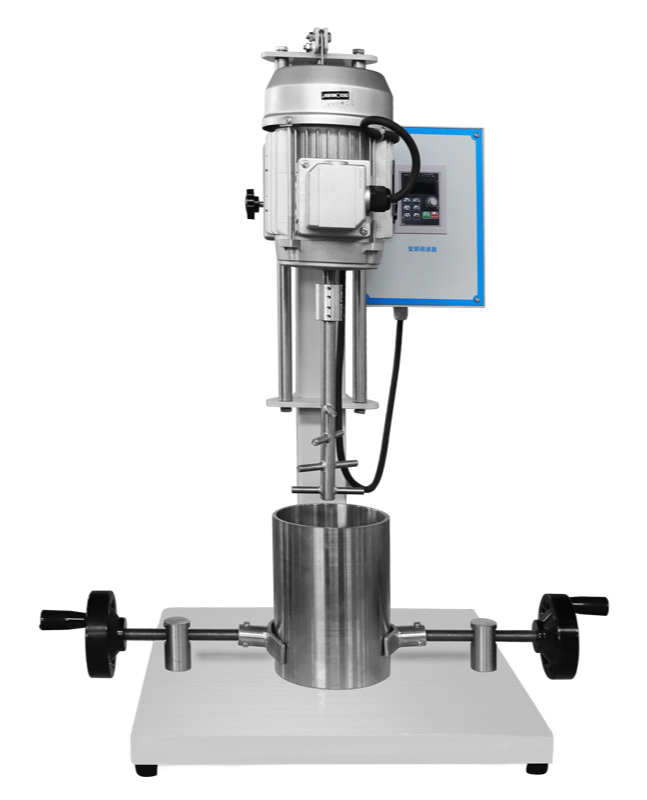
When selecting a lab stirred ball mill, consider the following critical parameters:
Processing Capacity and Volume
Lab mills typically range from 0.5 L to 10 L. Choose a volume that matches your typical batch size. For small R&D samples, a 0.5–2 L mill is sufficient; for pilot trials, 5–10 L may be needed.
Fineness and Particle Size Control
Top-of-the-line stirred ball mills can achieve D50 below 100 nm. Ensure the mill can reach your target particle size range. Adjustable speed control (typically 0–2000 rpm) and programmable timers are essential for reproducible results.
Energy Efficiency and Heat Generation
Because the agitator operates at high speeds, heat buildup can affect sensitive materials. Water-cooled jackets or integrated temperature sensors help manage thermal effects. Look for mills with efficient cooling systems if you plan to grind heat-sensitive compounds.
Material Compatibility
The grinding chamber and agitator should be made of wear-resistant materials (e.g., stainless steel, alumina, zirconia, or polyurethane linings) to avoid contamination. The same applies to the grinding media – choose media that are harder than the material being ground and chemically inert.
Ease of Maintenance
Lab mills should be easy to disassemble for cleaning and media replacement. Models with removable grinding cups or quick-release agitators save time and reduce cross-contamination between experiments.
Applications and Selection Advice
Lab stirred ball mills are widely used in:
- Materials science – synthesis of nanoparticles, mechanical alloying.
- Ceramics and glass – fine grinding of oxides, pigments, and glazes.
- Pharmaceuticals and cosmetics – micronization of active ingredients, preparation of suspensions.
- Mining and minerals – liberation of valuable minerals, ultra-fine grinding of ores.
- Batteries and energy materials – preparation of electrode slurries, nano-grinding of cathode/anode materials.
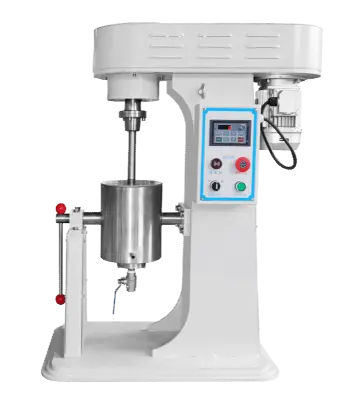
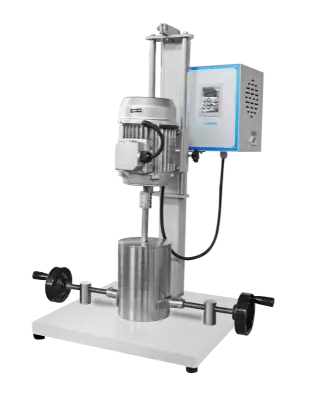
For researchers aiming to explore new formulations or optimize existing processes, a basic batch-type lab stirred ball mill with adjustable speed and cooling is a versatile starting point. If you plan to scale up to production, consider models that mimic the geometry of larger industrial units, such as the production type stirred ball mill. For heavy-duty lab work, the electric lifting stirred ball mill offers convenience and robust performance.
Ultimately, the best lab stirred ball mill is one that matches your specific material characteristics, required throughput, and desired fineness. Always consult with the manufacturer for detailed technical specifications and optional accessories to ensure the chosen unit meets your research goals.
References
Related Products
Get In Touch
Our professional team will reply to you within one business day. Please feel free to contact us!