
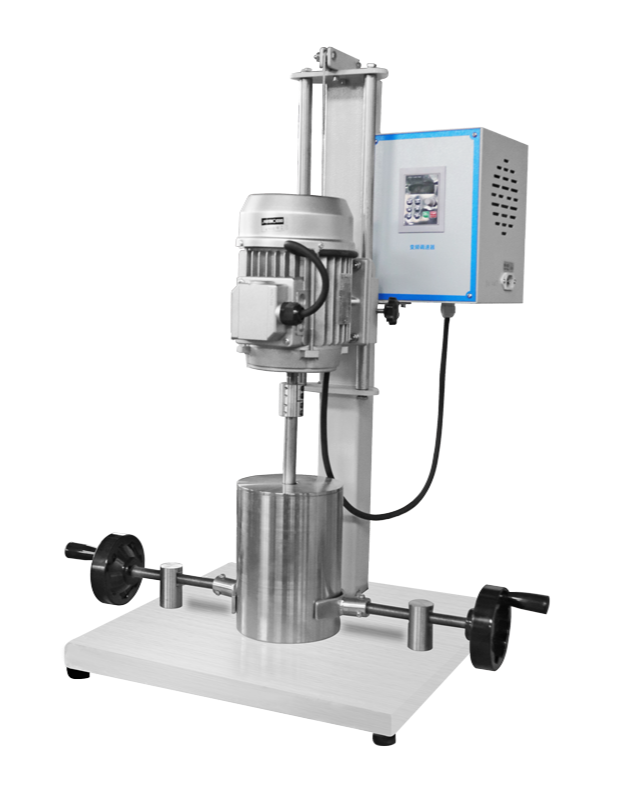
Máy nghiền bi khuấy trong phòng thí nghiệm là gì? Thiết bị nghiền hiệu suất cao dành cho nghiên cứu bột mịn và siêu mịn

Máy nghiền bi khuấy trong phòng thí nghiệm là gì?
Về cốt lõi của nó, một máy nghiền bi khuấy trong phòng thí nghiệm là thiết bị nghiền chuyên dụng, được các nhà nghiên cứu, nhà khoa học vật liệu sử dụng để thực hiện quá trình nghiền mịn và siêu mịn các mẻ nguyên liệu bột nhỏ. Không giống như các máy nghiền bi truyền thống dựa vào vòng quay của toàn bộ trống, thiết bị này sử dụng buồng nghiền cố định và máy khuấy quay bên trong để dẫn động vật liệu nghiền, mang lại hiệu suất năng lượng cao và kiểm soát kích thước hạt chính xác.
Chức năng cốt lõi và nguyên tắc làm việc
Máy nghiền bi khuấy trong phòng thí nghiệm biến đổi nguyên liệu thức ăn thô (thường từ 0,5–3 mm) thành bột mịn ở phạm vi dưới micromet hoặc thậm chí nanomet. Buồng nghiền vẫn đứng yên, trong khi máy khuấy dọc hoặc ngang (thường là vít, chốt hoặc đĩa) quay với tốc độ cao, truyền chuyển động đến vật liệu nghiền (như zirconia hoặc bi thép). Các vật liệu va chạm, cắt và cọ xát với các hạt vật liệu, đạt được sự nghiền nát hiệu quả. Cơ chế này về cơ bản khác với phương pháp nghiền bi thông thường, vì năng lượng được truyền trực tiếp tới vật liệu chứ không phụ thuộc vào lực hấp dẫn.
Các thông số quy trình chính bao gồm tốc độ máy khuấy (thường lên tới 1000 vòng/phút), kích thước vật liệu nghiền (từ 0,5 mm đến 10 mm) và thời gian nghiền. Người vận hành có thể điều chỉnh các biến này để kiểm soát sự phân bố kích thước hạt cuối cùng. Đối với mài ướt, độ nhớt của bùn và tải trọng rắn cũng đóng một vai trò quan trọng. Thiết kế kèm theo cho phép nghiền khô, nghiền ướt và thậm chí nghiền trong môi trường trơ hoặc chân không, khiến nó trở nên linh hoạt cho nhiều ứng dụng khác nhau.
Các loại máy nghiền bi khuấy chính trong phòng thí nghiệm
Dựa trên quy mô sản xuất và các yêu cầu cụ thể, máy nghiền bi khuấy trong phòng thí nghiệm có sẵn một số cấu hình:
1. Máy nghiền bi khuấy phòng thí nghiệm cơ bản
Đây là mô hình tiêu chuẩn dành cho R&D quy mô nhỏ, có thiết kế dọc hoặc ngang đơn giản với buồng nghiền cố định. Nó nhỏ gọn, dễ vận hành và lý tưởng cho việc sàng lọc vật liệu, phát triển quy trình và chuẩn bị mẫu nhỏ.
2. Máy nghiền bi nâng điện
Được thiết kế để thuận tiện, máy nghiền bi nâng điện cho phép buồng nghiền được nâng lên và hạ xuống tự động. Điều này giúp đơn giản hóa việc làm sạch, thay thế và xả vật liệu, giúp nó phù hợp với các phòng thí nghiệm xử lý nhiều mẫu hoặc yêu cầu thay đổi thường xuyên giữa các thí nghiệm.
3. Máy nghiền bi khuấy nhẹ
Đối với các ứng dụng ưu tiên tính di động và độ ồn thấp, máy nghiền bi khuấy nhẹ cung cấp một dấu chân nhỏ hơn và giảm trọng lượng, nhưng vẫn duy trì hiệu quả mài cao. Nó thường được sử dụng trong phòng thí nghiệm giảng dạy hoặc để kiểm soát chất lượng thông thường.
4. Loại sản xuất Máy nghiền bi khuấy
Khi mở rộng quy mô từ phòng thí nghiệm sang sản xuất thí điểm hoặc sản xuất quy mô nhỏ, loại sản xuất máy nghiền bi khuấy là câu trả lời. Nó có thể tích buồng lớn hơn, kết cấu gia cố và khả năng hoạt động liên tục, thu hẹp khoảng cách giữa nghiên cứu trong phòng thí nghiệm và sản xuất công nghiệp.
Tất cả các loại này có thể được tùy chỉnh với các tùy chọn như áo khoác làm mát bằng nước, bảo vệ chân không/khí quyển và lớp lót đặc biệt (gốm, polyurethane, v.v.) để đáp ứng các yêu cầu vật liệu cụ thể.
Các chỉ số hiệu suất chính và hướng dẫn lựa chọn
Khi chọn máy nghiền bi khuấy trong phòng thí nghiệm, cần xem xét một số yếu tố quan trọng:
- Năng lực xử lý: Các mô hình phòng thí nghiệm điển hình xử lý từ 0,5 L đến 10 L mỗi mẻ. Đối với R&D, dung tích từ 1 L đến 5 L là phổ biến; để sản xuất thử nghiệm, có thể cần tới 50 L.
- Kiểm soát kích thước hạt: Máy có thể đạt d90 < 1 μm với điều kiện mài thích hợp. Phạm vi tốc độ và lựa chọn phương tiện ảnh hưởng trực tiếp đến độ mịn.
- Hiệu quả năng lượng: Máy nghiền khuấy được biết là tiêu thụ năng lượng ít hơn 30–50% so với máy nghiền bi truyền thống để giảm cùng một kích thước hạt, do năng lượng đầu vào trực tiếp vào vật liệu nghiền.
- Tự động hóa: Nhiều máy nghiền bi khuấy trong phòng thí nghiệm hiện đại đi kèm với bộ điều khiển có thể lập trình, cho phép định thời gian, tăng tốc và thậm chí tự động quay ngược để ngăn chặn việc đóng gói vật liệu.
- Dễ bảo trì: Tìm kiếm các tính năng như bộ khuấy nhả nhanh, vòng đệm dễ tiếp cận và lớp lót có thể thay thế. Mô hình nâng điện giúp đơn giản hóa đáng kể các hoạt động bảo trì.
Để sàng lọc vật liệu cơ bản, một máy nghiền bi khuấy tiêu chuẩn trong phòng thí nghiệm là đủ. Nếu bạn cần thường xuyên thay đổi vật liệu hoặc vệ sinh buồng, hãy xem xét phiên bản nâng hạ bằng điện. Đối với việc giảng dạy hoặc công việc thực địa, mẫu máy nhẹ này là lý tưởng. Để nhân rộng quy trình, loại hình sản xuất là rất cần thiết.
Lĩnh vực ứng dụng và khuyến nghị mua hàng
Máy nghiền bi khuấy trong phòng thí nghiệm được sử dụng rộng rãi trong các trường đại học, viện nghiên cứu và trung tâm R&D của công ty về khoa học vật liệu, hóa học, dược phẩm, gốm sứ, sơn, chất màu, vật liệu năng lượng mới (ví dụ: cực âm của pin) và công nghệ nano. Chúng đặc biệt hiệu quả đối với các vật liệu cứng, giòn và dạng sợi, cũng như để chuẩn bị huyền phù và phân tán ổn định.
Nếu nhu cầu chính của bạn là đạt được các hạt siêu mịn (cấp micromet) với khả năng tái tạo cao, hãy đầu tư vào một mô hình có khả năng kiểm soát tốc độ chính xác và lựa chọn kích thước vật liệu in. Để mài thường xuyên các vật liệu mềm, một model cơ bản có công suất lớn hơn có thể tiết kiệm chi phí hơn. Luôn tham khảo ý kiến của nhà sản xuất để đảm bảo thiết bị được chọn có thể xử lý vật liệu cụ thể của bạn, đặc biệt nếu bạn yêu cầu khả năng chống ăn mòn, độ tinh khiết cao hoặc kiểm soát nhiệt độ.
Tài liệu tham khảo
Related Products
Get In Touch
Our professional team will reply to you within one business day. Please feel free to contact us!