
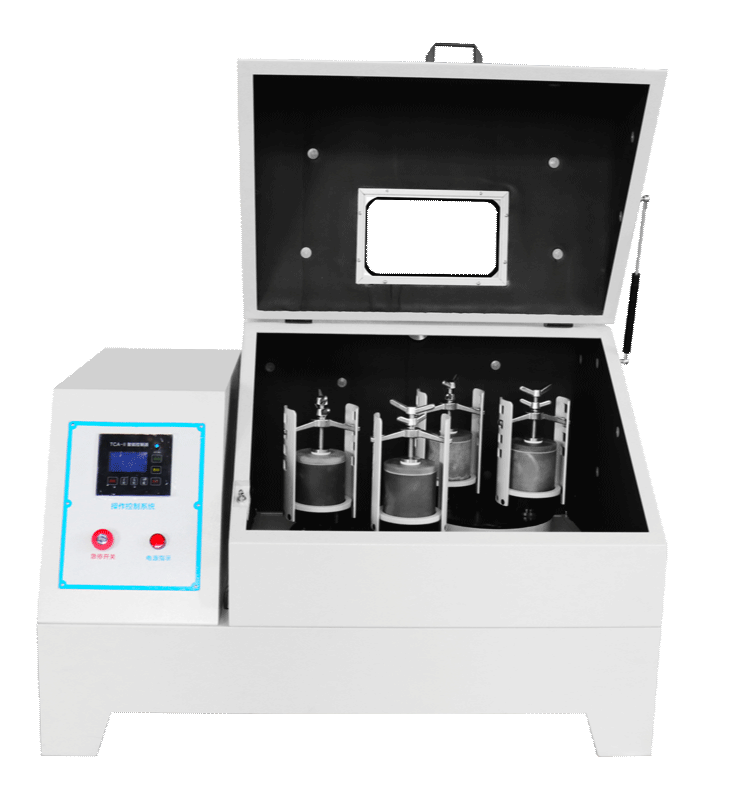
What is a Dual Planetary Ball Mill? A High-Energy Grinding Equipment for Advanced Material Preparation

Introduction
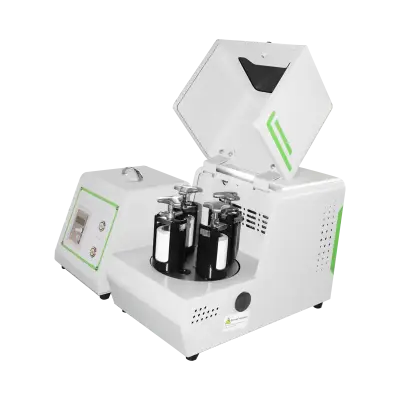
From the core, a Dual Planetary Ball Mill is a specialized high-energy ball milling device that laboratories and research institutions use to grind, mix, and homogenize materials down to micron or even nanometer scales. Unlike conventional planetary ball mills, the dual version incorporates an advanced drive mechanism—often with two independent driving systems or a unique dual-rotation design—that significantly enhances the impact and shear forces on the sample. This makes it particularly suitable for mechanical alloying, nanomaterial synthesis, and the preparation of advanced composites that require extreme fineness and uniform particle distribution.
Core Function and Working Principle
The primary function of a Dual Planetary Ball Mill is to transform coarse or granular materials into ultrafine powders through a combination of impact, friction, and shear forces. The mill consists of a main sun wheel (revolving plate) and one or more grinding jars (planetary pots) mounted on it. When the sun wheel rotates, each jar also rotates around its own axis in the opposite direction, creating a planetary motion. In the dual-drive variant, the jar rotation and sun wheel rotation are powered by separate motors, allowing independent speed control and higher energy input.
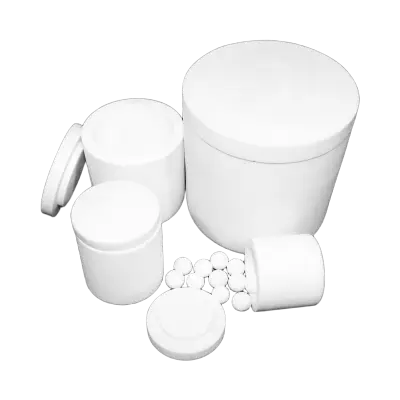
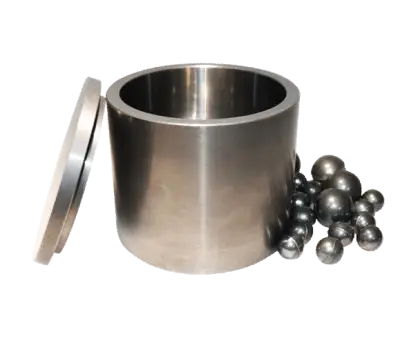
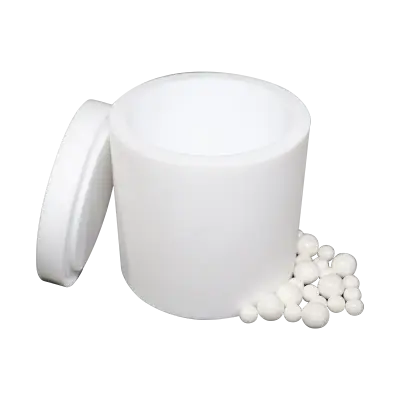
Inside the jars, milling balls (typically made of zirconia, agate, stainless steel, or tungsten carbide) are subjected to complex motion patterns. The balls are lifted by the jar walls and then thrown across the jar, colliding with each other and the sample particles. The dual-drive system enables the jar to spin at higher relative speeds, generating stronger centrifugal forces and more frequent collisions. Key parameters such as rotation speed, ball-to-powder ratio, and milling time directly influence the final particle size, crystallinity, and homogeneity. For example, increasing the speed ratio between the sun wheel and the jar can produce finer particles in less time, but may also lead to excessive heat or contamination if not controlled.
Key Components and Technologies
Since the Dual Planetary Ball Mill is a specialized variant, we focus on its essential components and the technological innovations that distinguish it from standard models.
Dual-Drive System
The most significant feature is the independent drive for the sun wheel and the grinding jars. In many conventional planetary mills, both motions are coupled through a belt or gear train, which limits the speed ratio. The dual-drive system allows each axis to be controlled by a separate motor, enabling a wider range of speed ratios (e.g., 1:2 to 1:3 or even higher) and improving energy transfer to the milling media. This results in faster grinding and finer particle sizes.
Grinding Jars and Materials
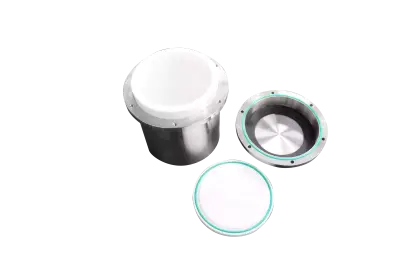
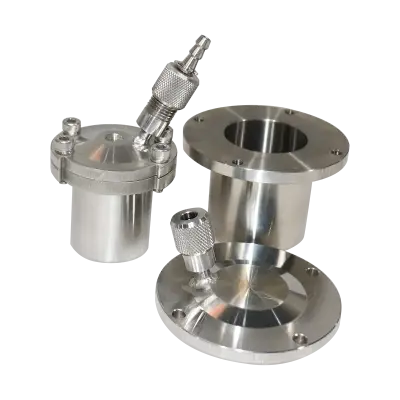
Dual planetary ball mills are compatible with various jar materials, including stainless steel, zirconia, agate, nylon, and polyurethane. The choice of jar material depends on the sample's hardness, abrasiveness, and the need to avoid contamination. For high-energy applications, jars with reinforced walls and secure locking clamps are essential to withstand the intense forces.
Cooling and Safety Features
Due to the high energy input, dual planetary ball mills often incorporate water cooling or forced air cooling to dissipate heat generated during milling. Some models also include a vacuum or inert gas option to protect air-sensitive materials. Safety interlocks and automatic shutdown mechanisms are standard to prevent accidents.
Key Performance Indicators and Selection Criteria
When selecting a Dual Planetary Ball Mill, users should consider several critical parameters:
- Processing Capacity: Typically measured by the volume of the grinding jars. Common capacities range from 0.5 L to 5 L per jar, with total sample volumes from a few grams to several hundred grams.
- Grinding Fineness: The ability to achieve particles down to 0.1 μm or less. The final fineness depends on milling speed, time, ball size, and material properties.
- Speed Range and Ratio: The sun wheel speed (e.g., 100–600 rpm) and the jar speed ratio. Higher ratios (e.g., 1:2.5) generate more energy but may require cooling.
- Automation and Programmability: Modern dual planetary mills often feature touch-screen interfaces, programmable milling cycles, and data logging capabilities. This allows users to set forward/reverse rotation, pause intervals, and total processing time.
- Maintenance and Cleaning: Easy-to-remove jars and clamps, as well as corrosion-resistant materials, simplify cleaning between batches.
- Noise and Vibration: High-energy mills can be noisy; look for models with sound-dampening enclosures if the noise level is a concern.
Application Areas and Selection Advice
Dual Planetary Ball Mills are widely used in the following fields:
- Materials Science & Nanotechnology: Synthesis of nanoparticles, nanocomposites, and quantum dots. The high energy enables the mechanical alloying of metals and ceramics.
- Battery Research: Preparation of electrode materials (e.g., silicon‑carbon composites, solid electrolytes) under inert atmosphere.
- Pharmaceuticals & Biology: Grinding of active pharmaceutical ingredients (APIs), plant materials, and cell disruption for drug delivery applications.
- Geology & Mining: Sample preparation for X‑ray diffraction (XRD) and spectroscopic analysis.
- Environmental Science: Homogenization of soil, sediments, and waste materials for contaminant analysis.
For researchers who require ultra‑fine powders and are willing to invest in a more powerful system, the dual‑drive planetary ball mill is an excellent choice. For routine grinding needs, a standard planetary ball mill may suffice. Always consider the material's hardness, sensitivity to heat, and required purity when selecting jar materials and milling parameters.
References
Related Products
Get In Touch
Our professional team will reply to you within one business day. Please feel free to contact us!