

What is a Paddle Mill? A Versatile Crushing Machine for Medium-Hard Materials in Feed and Biomass Processing
What is a Paddle Mill?
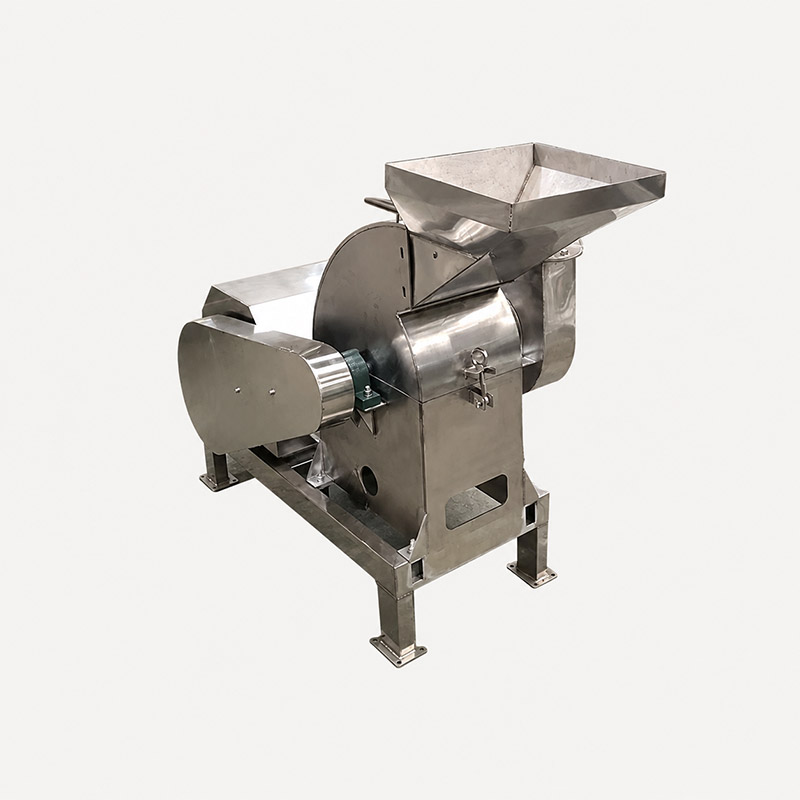
At its core, a paddle mill (also known as a hammer mill) is a versatile mechanical crushing machine used in industries such as feed processing, biomass energy, chemical engineering, and food manufacturing to reduce medium-hard materials into smaller particles or powder. It achieves size reduction through the combined impact of high-speed rotating paddles (or hammers) and a fixed serrated liner, making it an essential tool for efficient grinding of dry, brittle, or fibrous materials.
Core Function and Working Principle
The paddle mill transforms coarse feed materials (e.g., grains, wood chips, chemical powders) into uniform fine particles by a combination of impact, shearing, and attrition. The main working chamber consists of a rotor with multiple rows of pivoting or fixed paddles (hammers) that rotate at high speed (typically 1000–3000 rpm). As material enters the chamber, it is struck by the paddles, thrown against the serrated breaker plates, and further reduced by friction between particles.
The final particle size is controlled by the rotor speed, the clearance between paddles and liner, and the screen aperture at the discharge outlet. Smaller screens produce finer particles but reduce throughput. The machine is designed for continuous operation and can handle a wide range of feed sizes, from 10 mm down to 50 mesh or finer, depending on the configuration.
Main Types of Paddle Mills
Paddle mills can be classified based on the hammer style and rotor configuration:
1. Hammer-Type Paddle Mill
Features free-swinging hammers attached to the rotor. Ideal for brittle materials like grains, minerals, and chemicals. Hammers can be replaced individually when worn, extending service life.
2. Fixed Paddle Mill
Uses rigid paddles fixed to the rotor. Suitable for tough or fibrous materials like wood chips, biomass, and straw. Offers higher impact force and better cutting action.
3. Screen-Type Paddle Mill
Equipped with a perforated screen at the bottom to control discharge size. Common in feed and food industries for precise particle size distribution.
Selection depends on the material's hardness, moisture content, and desired final fineness. For example, a hammer-type with a fine screen is best for producing animal feed, while a fixed paddle mill with a coarse screen works well for biomass fuel.
Key Performance Indicators and Selection Guide
When choosing a paddle mill, pay attention to the following metrics:
- Throughput: Typically ranges from 100 kg/h to 30 t/h, depending on motor power, screen size, and material properties.
- Grinding Fineness: Can achieve particles from 0.5 mm to 10 mm. Adjustable by changing screen aperture or rotor speed.
- Power Consumption: Energy efficiency is critical for large-scale operations. A well-designed paddle mill with optimized hammer geometry can reduce energy use by 10–20%.
- Automation: Modern models offer variable frequency drives (VFD) for speed control, temperature monitoring, and automatic feeding systems, ensuring consistent quality.
- Maintenance: Look for easy-access doors, quick-change hammer/screen assemblies, and wear-resistant liners (e.g., hardened steel or carbide) to minimize downtime.
Application Areas and Selection Advice
Paddle mills are widely used in:
- Feed Industry: Grinding corn, soybean meal, and additives for animal feed.
- Biomass Energy: Crushing wood chips, straw, and sawdust for pellet production.
- Chemical Sector: Pulverizing resins, pigments, and fertilizers.
- Food Processing: Milling spices, grains, and herbs.
- Pharmaceuticals: Fine grinding of herbal materials and excipients.
For labs or small-scale production, a compact paddle mill with a 1–5 kW motor is sufficient. For industrial applications, consider a heavy-duty model with a capacity of 1–10 t/h and built-in dust collection to meet environmental regulations.
References
Related Products
Get In Touch
Our professional team will reply to you within one business day. Please feel free to contact us!