

What is a Paddle Mill? A Versatile Crushing Equipment for Feed, Biomass, and Chemical Material Processing
What is a Paddle Mill? A Versatile Crushing Equipment for Feed, Biomass, and Chemical Material Processing
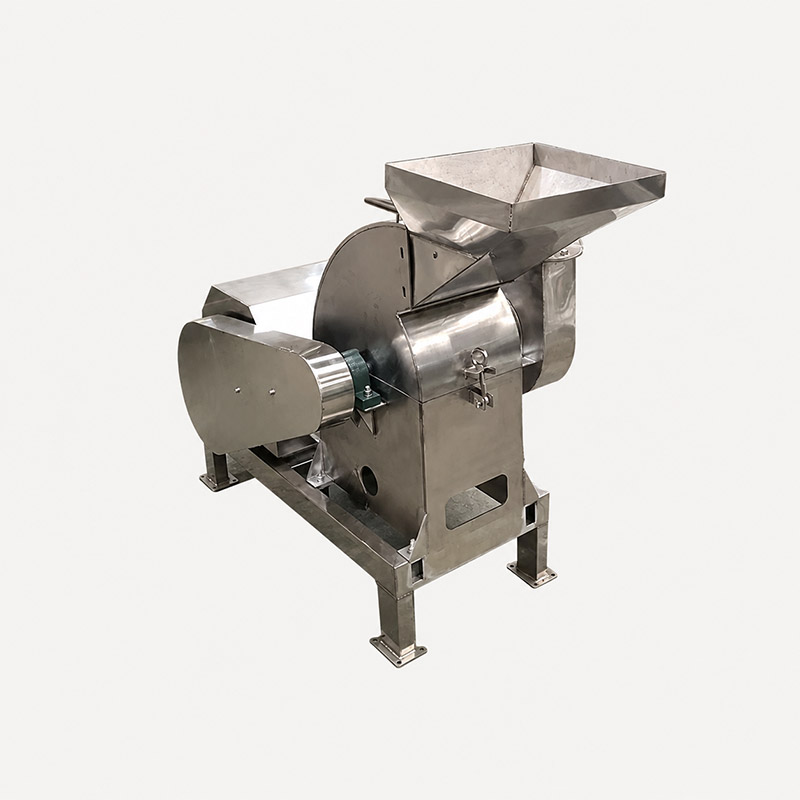
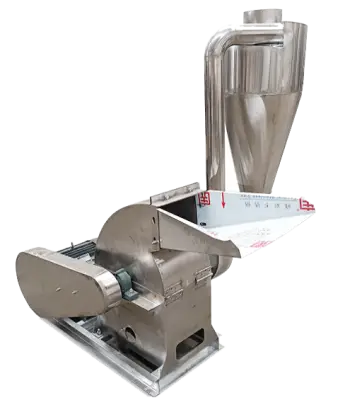
At its core, a paddle mill is a specialized type of hammer mill that uses a high-speed rotating assembly of flat or shaped paddles to crush, grind, and pulverize a variety of materials. Industries such as animal feed production, biomass energy, chemical processing, and food manufacturing rely on this equipment to reduce large particles into uniform, fine powders or granules. The paddle mill combines impact, shear, and friction forces to achieve efficient size reduction, making it a fundamental tool in both laboratory R&D and industrial-scale production lines.
Core Function and Working Principle
The primary function of a paddle mill is to transform coarse, lumpy, or fibrous materials into a desired particle size through mechanical impact. The core working mechanism involves a horizontal or vertical shaft fitted with multiple paddle-shaped hammers (also called beaters) that rotate at high speed inside a cylindrical grinding chamber. As the material enters the chamber, it is struck repeatedly by the rotating paddles, thrown against the chamber walls and a fixed breaker plate, and sheared between the paddles and a screen or grate at the bottom. The combination of these forces – impact, attrition, and cutting – progressively breaks down the material until it is fine enough to pass through the screen openings.
Key process parameters that influence the final product include rotor speed (typically measured in RPM), the number and geometry of paddles, screen aperture size, and feed rate. Adjusting the rotor speed and screen size allows operators to control the particle size distribution from coarse crumbs to fine powders. For instance, a higher rotor speed generates more impact energy, producing finer particles, while a larger screen aperture yields a coarser output. The paddle mill is particularly effective for dry, brittle, or fibrous materials such as grains, corn cobs, wood chips, chemical powders, and pharmaceutical intermediates.
Core Components and Key Technologies
Although the paddle mill is a single type of crusher, its design includes several critical components that determine performance and durability:
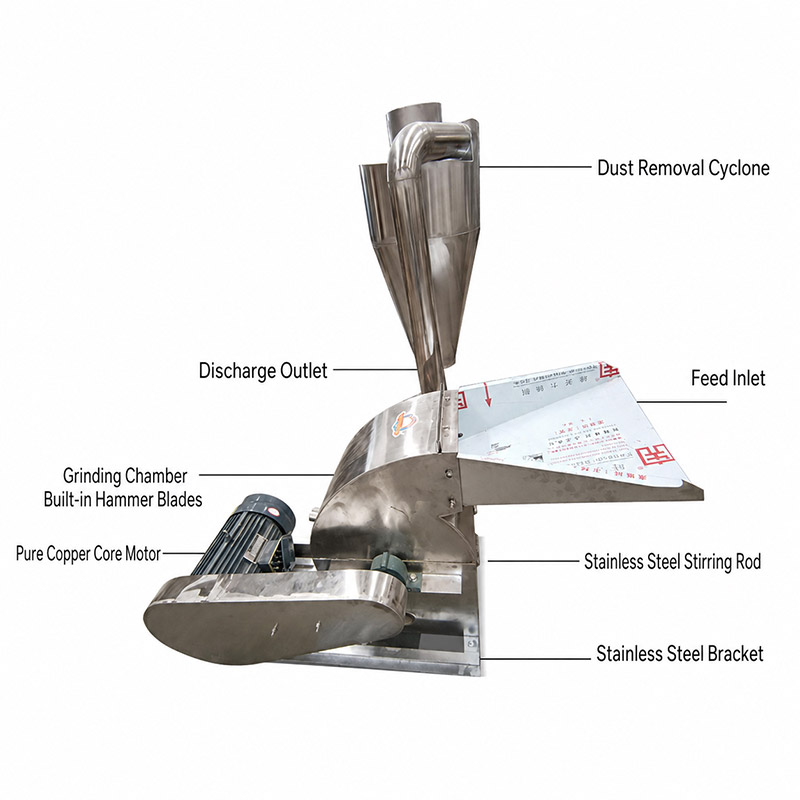
- Rotor with Paddles: The rotor is the heart of the machine. Paddles are typically made of wear-resistant steel or carbide-coated materials. They can be flat plates, serrated blades, or specialized shapes depending on the material. The number of paddles (e.g., 4, 6, 8, or more) affects the impact frequency and particle residence time.
- Grinding Chamber and Liner: The chamber is lined with replaceable wear plates to protect the housing from abrasion. The clearance between the paddle tips and the liner can be adjusted to control grinding intensity.
- Screen/Grate: A perforated screen or grate at the bottom of the chamber determines the maximum particle size of the output. Screens are available in various hole diameters (e.g., 0.5 mm to 10 mm) and materials (e.g., stainless steel, hardened steel). Quick-change screen systems are common in production models for fast product changeover.
- Feeding Mechanism: For consistent results, a controlled feed system (e.g., vibratory feeder, screw conveyor, or manual hopper) ensures a steady material flow into the chamber.
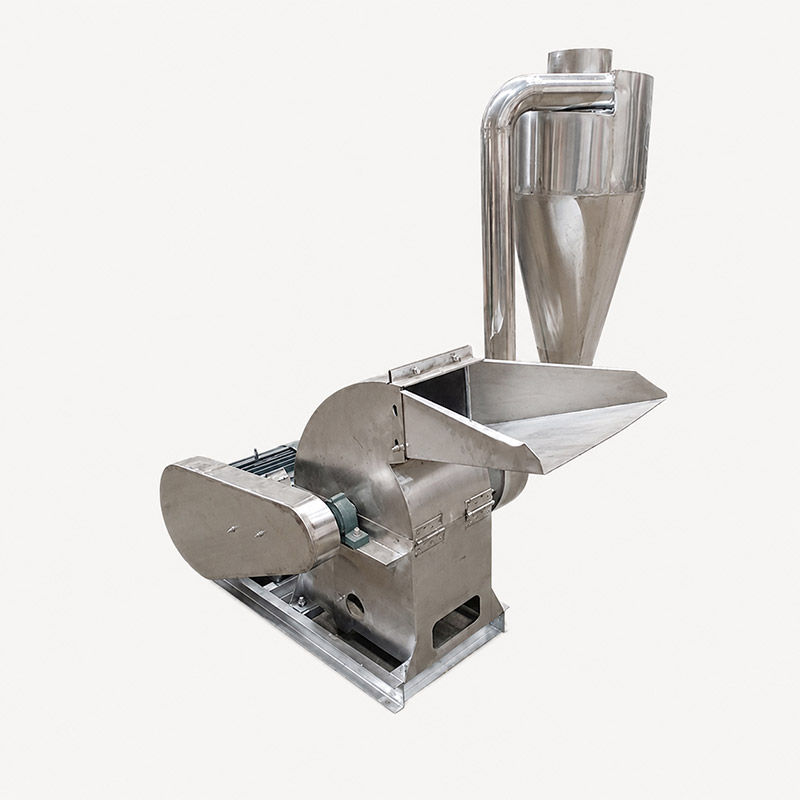
- Dust Collection and Safety: Many paddle mills are equipped with a dust outlet connected to a cyclone or bag filter to minimize airborne particles, and safety interlocks prevent operation when the chamber door is open.
Key Performance Indicators and Selection Criteria
When selecting a paddle mill for your application, consider the following critical performance indicators:
- Throughput Capacity: Measured in kilograms per hour (kg/h) or tons per hour (t/h). Laboratory-scale paddle mills typically handle 1–50 kg/h, while industrial units can process several tons per hour. The required capacity depends on your production scale and batch size.
- Particle Size Control: The ability to achieve a specific particle size distribution (e.g., D50, D90) is crucial. Paddle mills can produce particles from about 10 mm down to 100 microns, depending on screen size and rotor speed. For finer grinding, a smaller screen aperture and higher RPM are needed.
- Energy Efficiency: Power consumption (kW) relative to throughput is a key economic factor. Modern paddle mills are designed with optimized rotor geometry to reduce energy waste. Look for models with variable frequency drives (VFD) to adjust speed for different materials.
- Material of Construction: For food, pharmaceutical, and chemical applications, stainless steel (304 or 316) construction is preferred to prevent contamination and corrosion. For abrasive materials like minerals, hardened steel or ceramic-lined chambers extend service life.
- Ease of Maintenance: Quick-access doors, tool-less screen changes, and easy paddle replacement reduce downtime. Some models offer a hinged housing that opens completely for cleaning and inspection.
- Automation and Control: Advanced paddle mills feature touch-screen PLC controllers with programmable recipes, real-time monitoring of motor current, temperature, and vibration alarms. This is especially important for R&D labs where reproducibility is critical.
Application Areas and Selection Advice
The paddle mill is widely used across multiple industries:
- Animal Feed & Pet Food: Grinding grains, corn, soybeans, and additives into mash or meal for feed pellets.
- Biomass & Renewable Energy: Crushing wood chips, straw, corn stalks, and other biomass materials to produce fine particles for pelletizing or direct combustion.
- Chemical & Pharmaceutical: Pulverizing dry chemicals, resins, pigments, herbal medicines, and active pharmaceutical ingredients (APIs) under controlled particle size.
- Food Processing: Milling spices, sugar, salt, grains, and dehydrated vegetables into powders.
- Mining & Minerals: Pre-crushing coal, gypsum, limestone, and other soft to medium-hard minerals before further grinding.
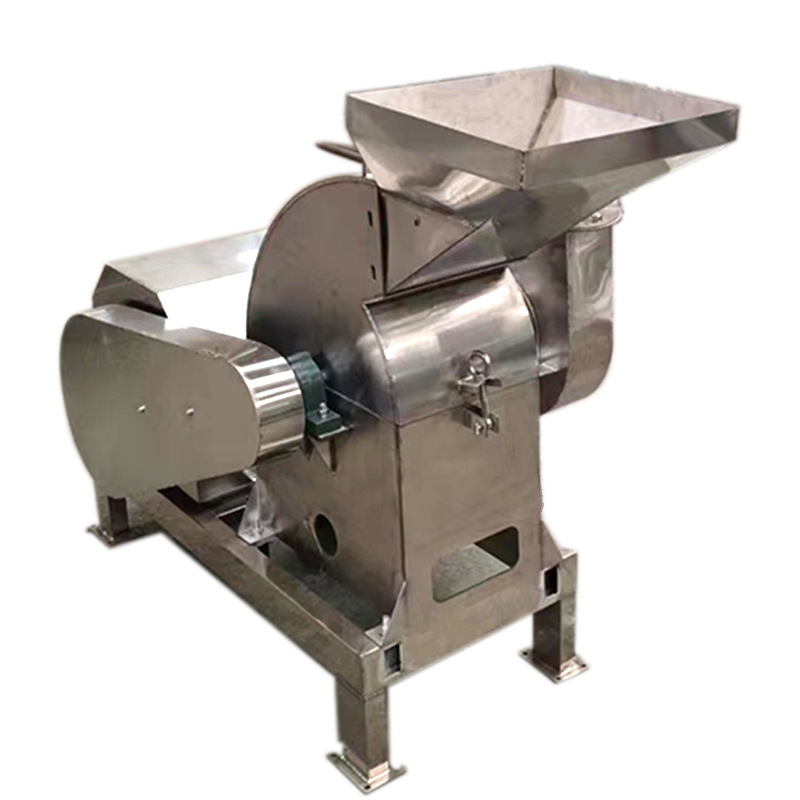
For laboratory users who need to process small batches of diverse materials, a compact benchtop paddle mill with interchangeable screens and easy cleaning is recommended. For industrial production, a heavy-duty paddle mill with a large hopper, high-capacity motor, and automatic feeding system is more suitable. Always test your material with the manufacturer to confirm the optimal paddle configuration and screen size before purchasing. For more details, visit the paddle mill product page or explore other crushing equipment in the Double Roll Crusher and Teeth Roll Crusher series.
References
Product page: https://www.planetaryballmills.com/products/broken-series/paddle-mill.html
Related Products
Get In Touch
Our professional team will reply to you within one business day. Please feel free to contact us!