
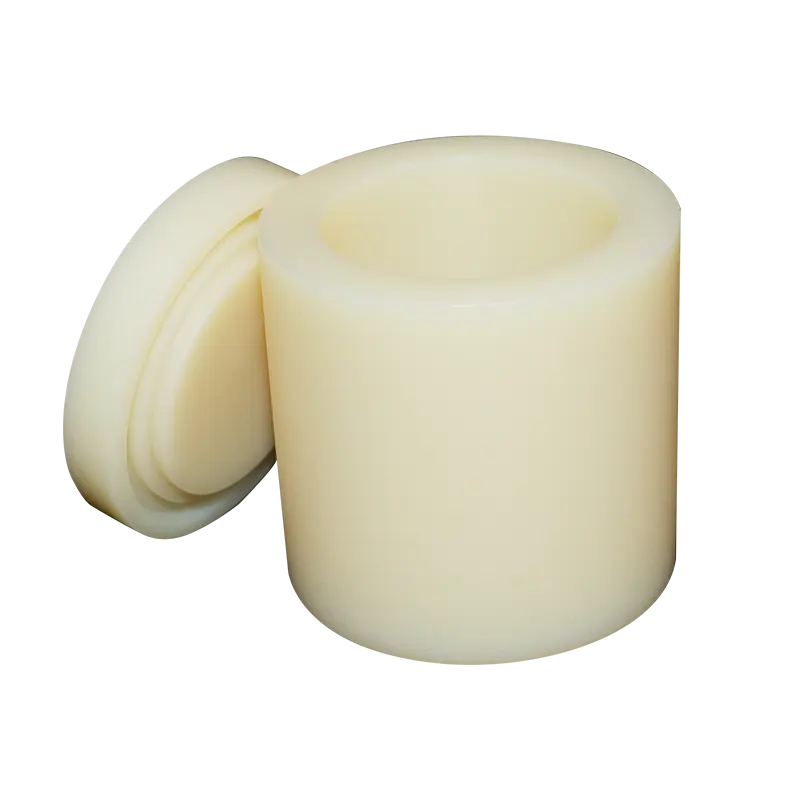
What is a Nylon Planetary Mill Jar? A Versatile Polymer Grinding Container for Contamination-Sensitive Material Processing

What is a Nylon Planetary Mill Jar?
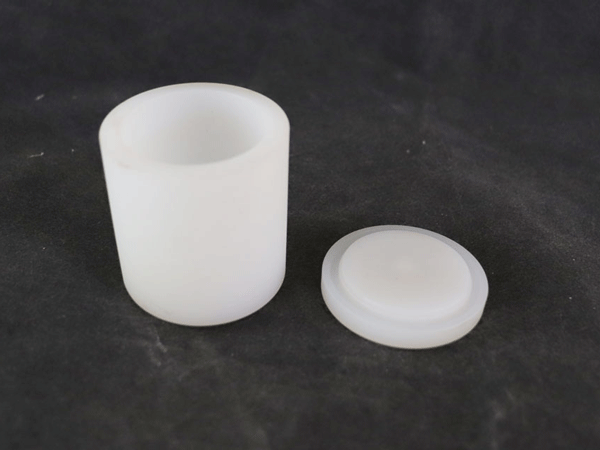
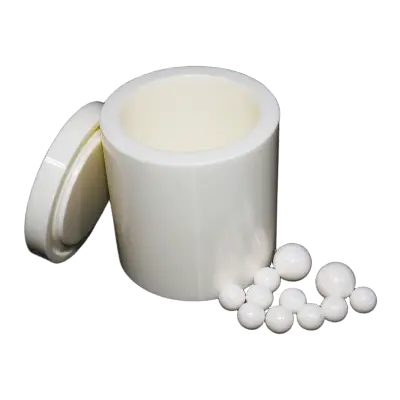
At its core, a nylon planetary mill jar is a specialized grinding container made from high-strength nylon (polyamide), designed for use with planetary ball mills. Laboratories and industries use it to perform fine grinding, mixing, and homogenization of solid materials under conditions that require minimal contamination. Unlike metal jars, a nylon jar introduces no metallic impurities, making it indispensable for processing high-purity materials such as pharmaceuticals, electronic pastes, food additives, and biological samples.
Core Function and Working Principle
A nylon planetary mill jar operates as part of a planetary ball mill system. The mill's rotating turntable and the jars' own counter-rotation create a planetary motion that generates high centrifugal forces, driving the grinding balls and material into intense collision and friction. The jar's interior provides a robust, inert environment where materials are crushed from coarse particles into fine powders, often reaching sub-micron or even nanometer sizes.
Key parameters affecting the final particle size include rotation speed, milling time, ball-to-powder ratio, and the diameter of the grinding media. The nylon material's inherent toughness and low friction coefficient allow efficient energy transfer while reducing wear on both the jar and the balls. Moreover, the jar can be equipped with optional vacuum or inert gas sealing to prevent oxidation or moisture absorption during grinding.
Key Components and Material Technology
Nylon Material Properties
The nylon used in these jars offers excellent wear resistance, chemical stability, and high impact strength. It is non-reactive with most organic solvents, acids, and alkalis, ensuring sample purity. The material also has a low coefficient of friction, which minimizes heat generation during high-speed operation.
Structural Design
Nylon planetary mill jars typically feature a reinforced wall thickness to withstand high centrifugal forces. The lid is designed with a secure locking mechanism (often using lock clamps) to prevent leakage during operation. Some models are available with a tempered nylon variant for even higher mechanical strength.
Capacity Options
Common sizes range from 50 mL to 500 mL or more, allowing flexibility for small-batch experimental work or moderate production needs. The jars are also compatible with various planetary ball mill models, such as the 304 stainless steel or zirconia jars, but users must select the correct jar matching the mill's clamping system.
Key Performance Indicators and Selection Tips
When selecting a nylon planetary mill jar, consider the following factors:
- Capacity: Choose a jar size that matches your sample volume. Overfilling reduces grinding efficiency, while underfilling leads to excessive wear.
- Sealing Performance: For moisture-sensitive or air-sensitive materials, opt for a vacuum-compatible nylon jar with a reliable sealing gasket.
- Wear Resistance: Nylon jars are suitable for materials with hardness below Mohs 5. For harder materials, consider agate or tungsten carbide jars.
- Cleaning and Maintenance: Nylon is easy to clean and resistant to most solvents, but avoid prolonged exposure to strong oxidizing agents that may degrade the polymer.
- Compatibility: Verify the jar's external dimensions and locking mechanism with your specific planetary ball mill model to ensure a secure fit.
Application Fields and Selection Recommendations
Nylon planetary mill jars are widely used in geology, mining, metallurgy, electronics, ceramics, chemical engineering, pharmaceuticals, cosmetics, and environmental protection. They are especially recommended for:
- Grinding biological samples (e.g., plant tissues, cells) where metal contamination would alter results.
- Processing high-purity electronic materials such as ceramic powders, conductive pastes, and battery materials.
- Mixing and milling food ingredients, pigments, and pharmaceutical intermediates.
- Preparing nanomaterials where trace metal impurities affect properties.
For most lab-scale and small-batch production needs, a standard nylon jar offers an excellent balance of cost, durability, and contamination control. If your application involves extremely hard materials or requires ultra-high purity, consider upgrading to a zirconia or agate jar. For routine fine grinding of medium-hard, non-abrasive samples, the nylon planetary mill jar remains a reliable and economical choice.
References
Related Products
Get In Touch
Our professional team will reply to you within one business day. Please feel free to contact us!