

What is a Micro-computerized Touch Screen Planetary Ball Mill? A High-Efficiency Grinding Equipment for Ultra-Fine Powder Preparation in Research Laboratories
Introduction
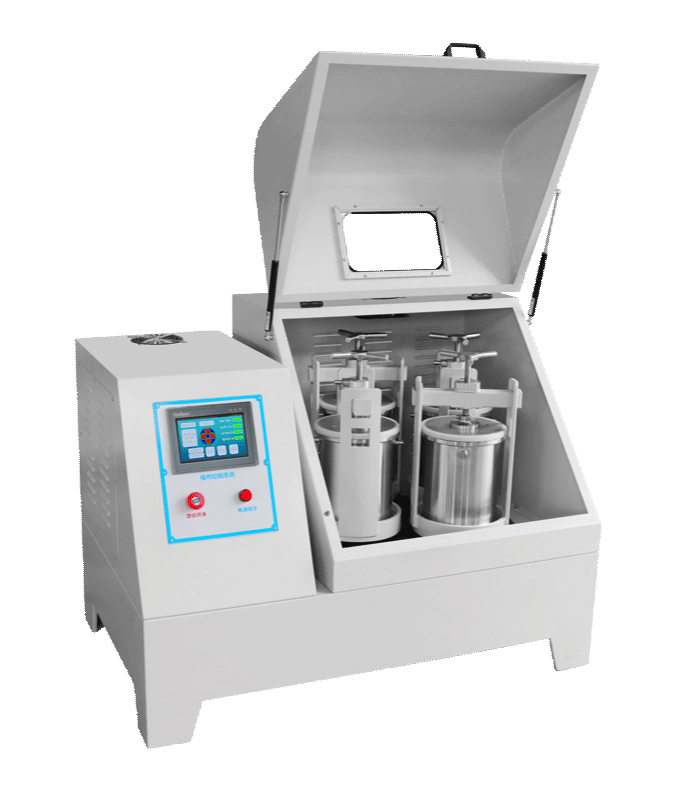
At its core, a Micro-computerized Touch Screen Planetary Ball Mill is a specialized laboratory grinding device that uses planetary motion to pulverize, mix, and homogenize solid materials down to submicron or even nanometer scale. It is widely employed in research institutions, universities, and enterprise R&D centers for tasks such as nanomaterial synthesis, mechanical alloying, and sample preparation for analysis. The integration of a microcomputer and a touch screen interface makes it exceptionally user-friendly and programmable, allowing precise control over grinding parameters.
Core Function and Working Principle
The fundamental function of this equipment is to transform coarse particles (typically 0.5–3 mm) into fine or ultra-fine powders (down to 0.1 µm or less). The working principle mimics the planetary system: a main sun wheel (the turntable) rotates, while several grinding jars (planetary pots) mounted on it rotate around their own axes in the opposite direction. This creates a combination of strong centrifugal forces and Coriolis forces, causing the grinding balls to collide, shear, and friction against the material and the jar walls. The result is extremely efficient energy transfer, enabling rapid size reduction and uniform mixing.
Key process parameters include rotational speed (both revolution and rotation), grinding time, ball-to-powder ratio, and the materials of the jar and balls. The microcomputer control system allows users to set these parameters via a touch screen, store multiple recipes, and monitor the process in real-time. Many models also support timed operation, pause/resume, and automatic reversing to prevent material buildup.
Key Components and Intelligent Control
Touch Screen Interface & Microcomputer
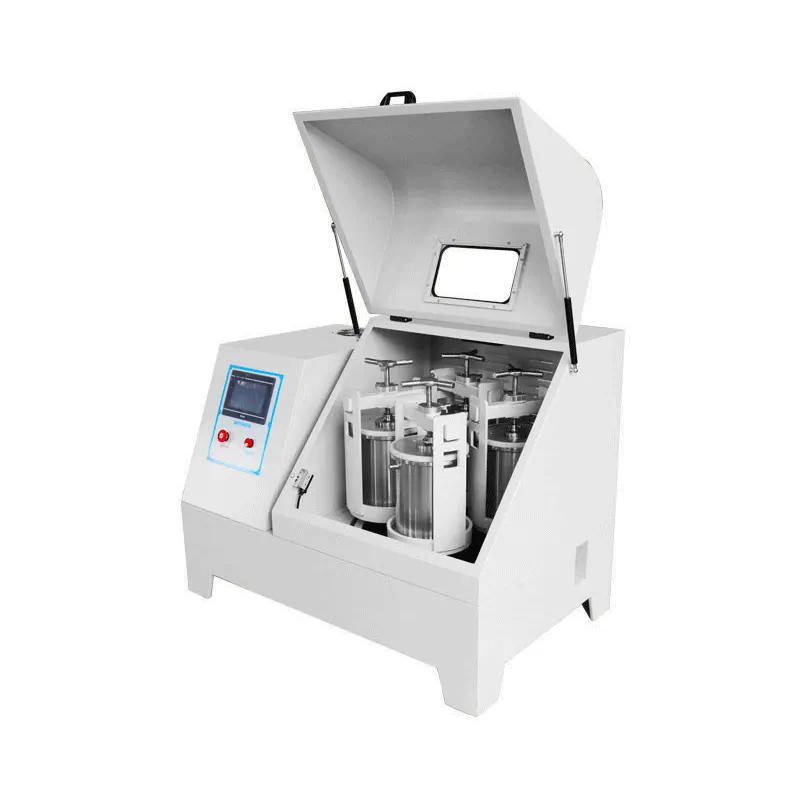
The most distinctive feature of this model is the user-friendly touch screen panel. It replaces traditional buttons with a graphical interface that displays speed, time, and program status. Operators can easily set up multi-step grinding cycles, adjust speed continuously, and recall saved programs. Some models even include a remote control function for added convenience in glove box or fume hood environments.
Planetary Drive Mechanism
The gear transmission system is designed for low noise, high stability, and consistent repeatability. The ratio between the sun wheel and the planetary disks is typically 1:2, ensuring optimal grinding effect. The drive is powered by a frequency-controlled motor, allowing smooth speed regulation from low to high revolutions.
Grinding Jar & Ball Options
To avoid cross-contamination, the mill can accommodate jars made of various materials: stainless steel, zirconia, agate, alumina, nylon, PTFE, and tungsten carbide. The choice depends on the hardness and chemical reactivity of the sample. Similarly, grinding balls of matching materials are available in different diameters to optimize the grinding action.
Key Performance Indicators and Selection Criteria
When selecting a Micro-computerized Touch Screen Planetary Ball Mill, consider the following parameters:
- Processing Capacity: Laboratory models typically handle batch volumes from 0.2 L to 2 L per jar, with 2 or 4 jar stations. Estimate your required throughput per run.
- Final Particle Size: Most models can achieve < 0.1 µm (100 nm), and some can reach < 30 nm depending on material and settings. Check the product specifications for the achievable fineness.
- Speed Range: Revolution speed usually ranges from 100 to 800 rpm. Higher speeds enable faster grinding but may generate heat. Some models offer a maximum acceleration of 100 G.
- Control Features: Look for touch screen size, programmability (number of segments, timing, pause/resume), and data logging capabilities. Features like power-off memory (resume after power failure) are valuable for long experiments.
- Safety & Maintenance: Overload protection, emergency stop button, and easy-to-clean jar clamping mechanisms enhance safety and longevity. Also consider the availability of spare parts and jar materials.
Applications and Selection Advice
The Micro-computerized Touch Screen Planetary Ball Mill is used in a wide range of fields:
- Materials Science: Preparation of ceramic powders, metal oxides, composite materials, and mechanical alloying.
- Chemistry & Chemical Engineering: Catalyst preparation, pigment dispersion, and synthesis of new compounds.
- Geology & Mining: Grinding of rocks, minerals, and ores for chemical analysis.
- Pharmaceutical & Biomedical: Homogenization of plant tissues, bones, and drug formulations.
- Environmental Science: Soil, sediment, and waste sample preparation.
For researchers who need high reproducibility and ease of use, the touch screen model is ideal. If you mainly process hard, brittle materials, choose a jar made of tungsten carbide or zirconia. For soft or fibrous materials, nylon or PTFE jars may be better to avoid contamination. Always consider the maximum allowable speed and the cooling requirements for heat-sensitive samples.
References
Related Products
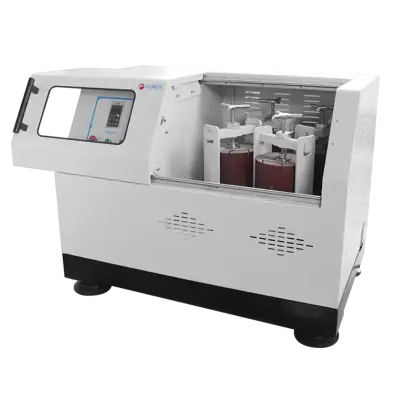
XQM-20 20L Vertical Production Planetary Ball Mill
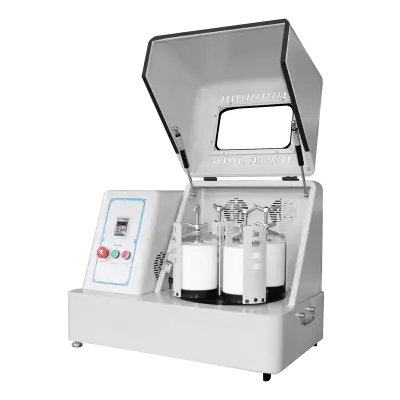
Laboratory planetary grinder
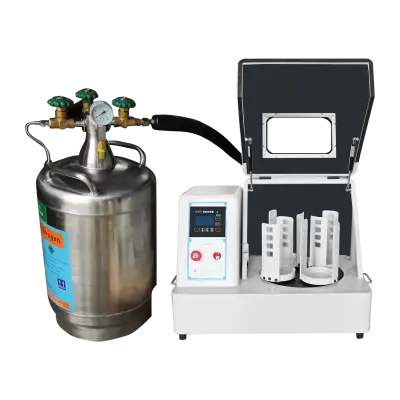
Liquid Nitrogen Planetary Ball Mill
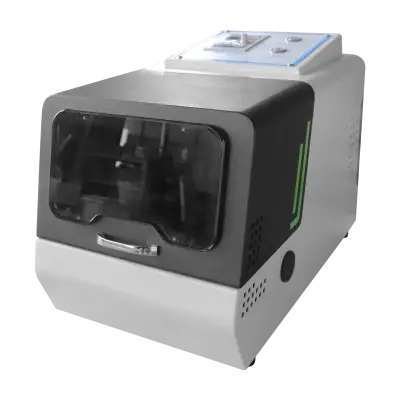
Micro Planetary Ball Mill
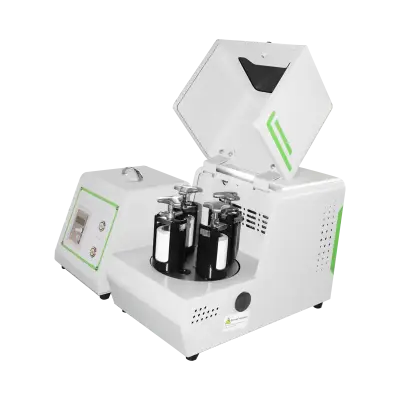
Micro Planetary Ball Mill
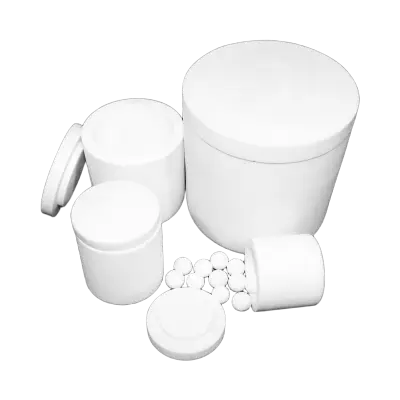
A grade Corundum planetary Mill Jar
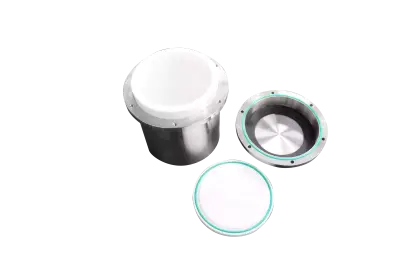
304 stainless steel lined with zirconia mill jar
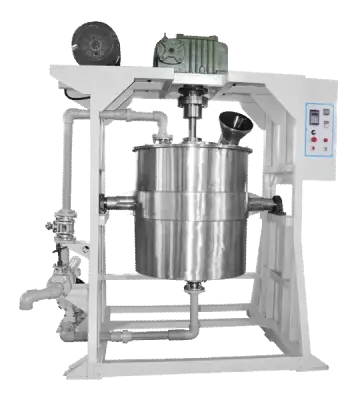
Production type stirred ball mill
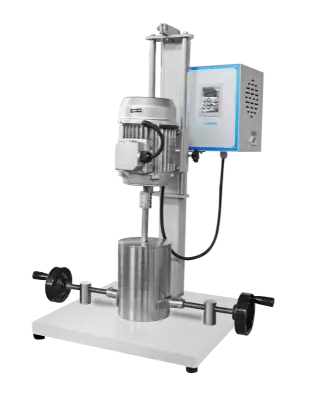
lab stirred ball mill
Get In Touch
Our professional team will reply to you within one business day. Please feel free to contact us!