

What is a Laboratory Planetary Grinder? A High-Energy Milling Device for Fine Grinding and Nano-Material Preparation
Introduction
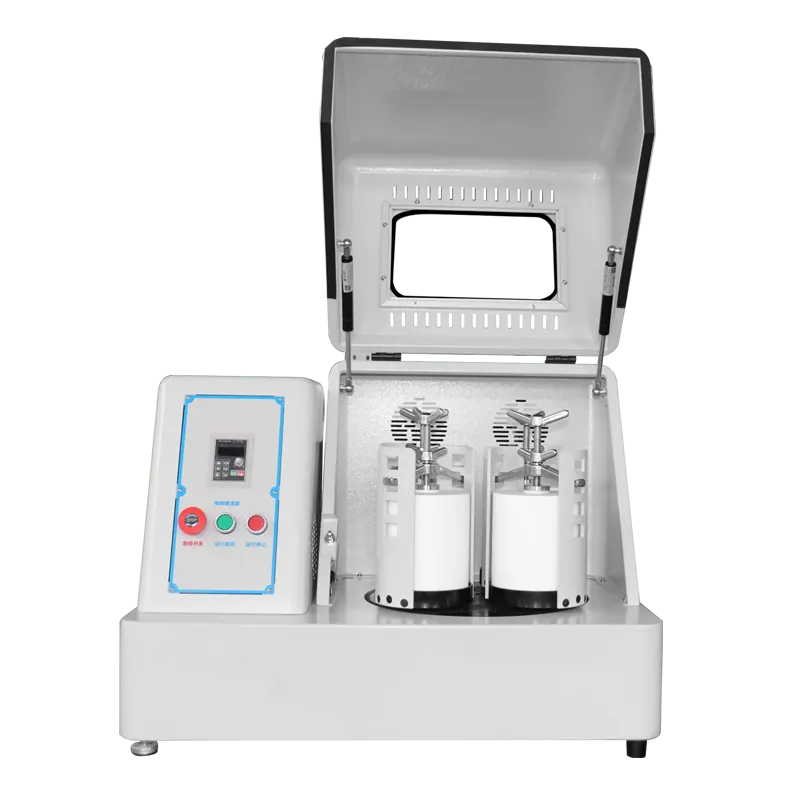
At its core, a laboratory planetary grinder is a specialized high-energy ball milling device used in research laboratories for fine grinding, mixing, homogenizing, and mechanical alloying of materials. It transforms coarse particles into ultrafine powders, often reaching sub-micron or nanometer scale, through the intense impact and friction generated by planetary motion. This compact equipment is indispensable for material scientists, chemists, and engineers who need to prepare samples with controlled particle size and distribution.
Core Function and Working Principle
The laboratory planetary grinder operates on a principle inspired by the solar system: a main disk (sun wheel) rotates while several grinding jars (planets) mounted on it rotate simultaneously in the opposite direction. This combination of revolution and self-rotation generates strong centrifugal and Coriolis forces, causing the grinding balls inside the jars to collide with the sample and the jar wall at high speed. The resulting impact, shear, and friction effectively break down particles into finer sizes.
Key parameters that influence grinding efficiency include rotation speed (typically 300–600 rpm), grinding time, ball-to-powder ratio, and the material of the grinding jar and balls. Proper selection of these parameters allows operators to achieve a final particle size down to less than 0.1 μm, making it suitable for nano-material preparation. The closed jar design also prevents contamination and enables operation under inert gas or vacuum conditions.
Core Components and Key Technologies
Drive System
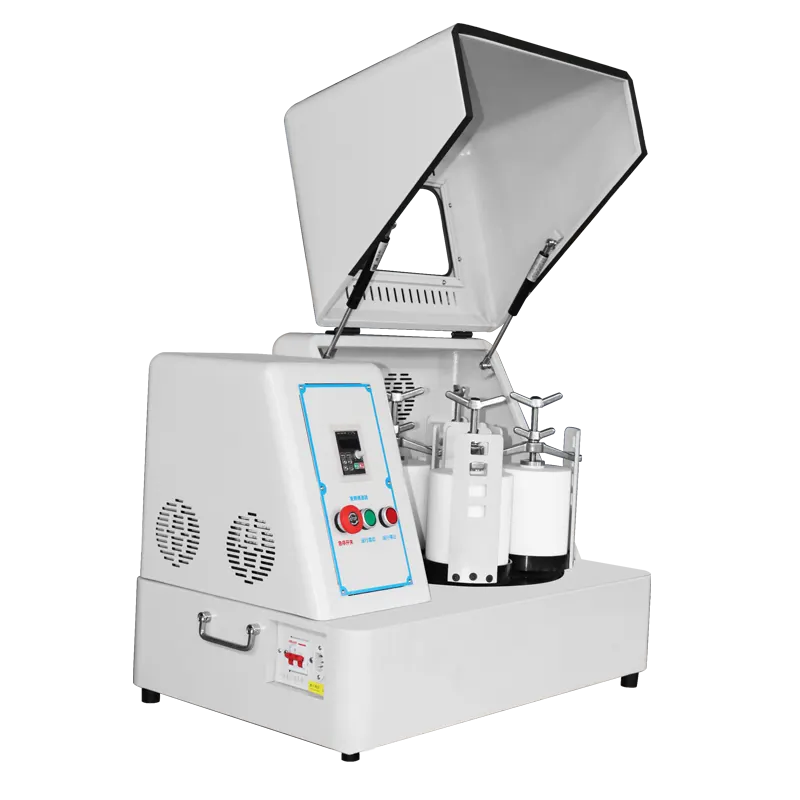
High-torque motors with belt or gear transmission ensure stable speed control and low noise. Some models feature a programmable touch screen interface that allows users to store up to 10 running programs, set forward/reverse rotation, and define intermittent cycles.
Grinding Jars
Jars are available in various materials such as agate, zirconia, stainless steel, tungsten carbide, and nylon. The choice of jar material depends on the sample type and the need to avoid cross-contamination. For example, agate jars are ideal for silica-free samples, while zirconia jars offer high wear resistance for hard materials.
Safety and Convenience
Modern laboratory planetary grinders are equipped with emergency stop buttons, overload protection, and sealed jar clamping systems that simplify loading and unloading. Some models also include a remote control function for safe operation at a distance.
Key Performance Indicators and Selection Criteria
When selecting a laboratory planetary grinder, consider the following:
- Speed Range: Higher speeds (up to 600 rpm or more) provide more energy for grinding but may require cooling for heat-sensitive materials.
- Jar Capacity: Typical capacities range from 0.2 L to 500 mL per jar. Single-station models are suitable for small batches, while multi-station (e.g., 2 or 4 jars) models allow parallel processing.
- Final Fineness: Evaluate the achievable particle size – many models can reach <0.1 μm.
- Automation: Touch screen control, programmable memory, and remote control enhance reproducibility and ease of use.
- Maintenance: Look for accessible jar clamping systems and easy-to-clean surfaces to minimize downtime.
- Additional Features: Options like temperature control, inert gas purging, and noise reduction may be critical for specific applications.
Application Areas and Selection Advice
Laboratory planetary grinders are widely used in:
- Materials Science: Preparation of nano-powders, mechanical alloying, and composite material synthesis.
- Geology and Mining: Grinding of rocks, minerals, and soil samples for analytical chemistry.
- Pharmaceuticals: Homogenization of drug formulations and preparation of solid dispersions.
- Ceramics and Glass: Fine grinding of oxides, carbides, and other brittle materials.
- Chemistry: Mechanochemical reactions and catalytic material preparation.
For beginners or small-scale research, a basic single-station model with a simple control interface is sufficient. For advanced research requiring high throughput and reproducibility, choose a multi-station model with a programmable touch screen and optional accessories like temperature control jars. Always verify that the jar and ball materials are compatible with your samples to avoid contamination.
References
For more details, visit the product page: Laboratory Planetary Grinder
Related Products
XQM-20 20L Vertical Production Planetary Ball Mill
Laboratory planetary grinder
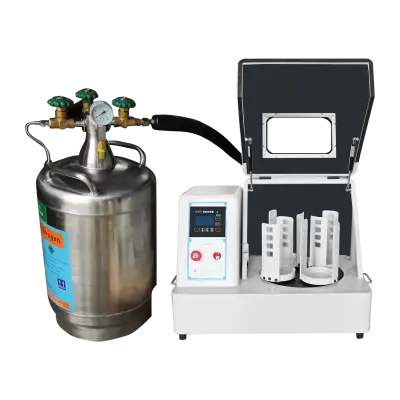
Liquid Nitrogen Planetary Ball Mill
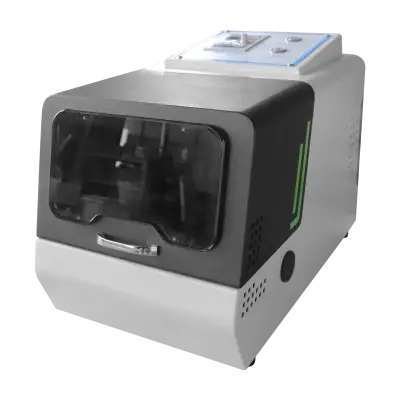
Micro Planetary Ball Mill
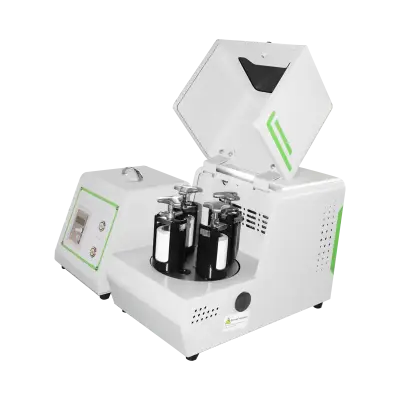
Micro Planetary Ball Mill
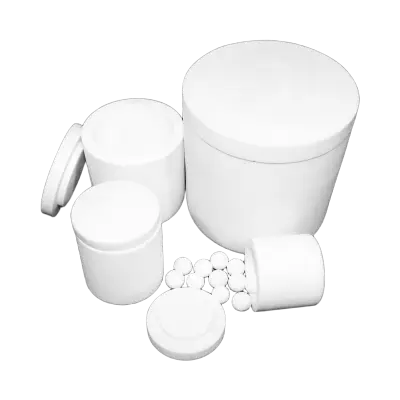
A grade Corundum planetary Mill Jar
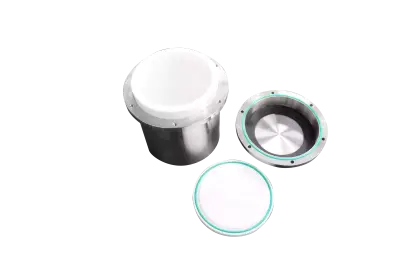
304 stainless steel lined with zirconia mill jar
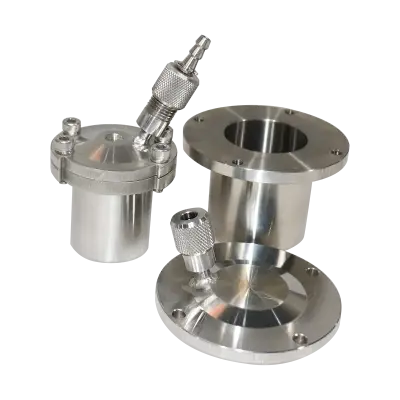
vacuum planetary mill jar
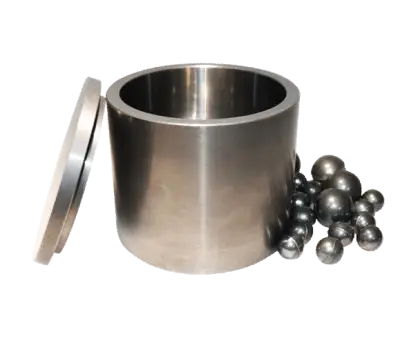
Tungsten carbide planetary mill jar
Get In Touch
Our professional team will reply to you within one business day. Please feel free to contact us!