
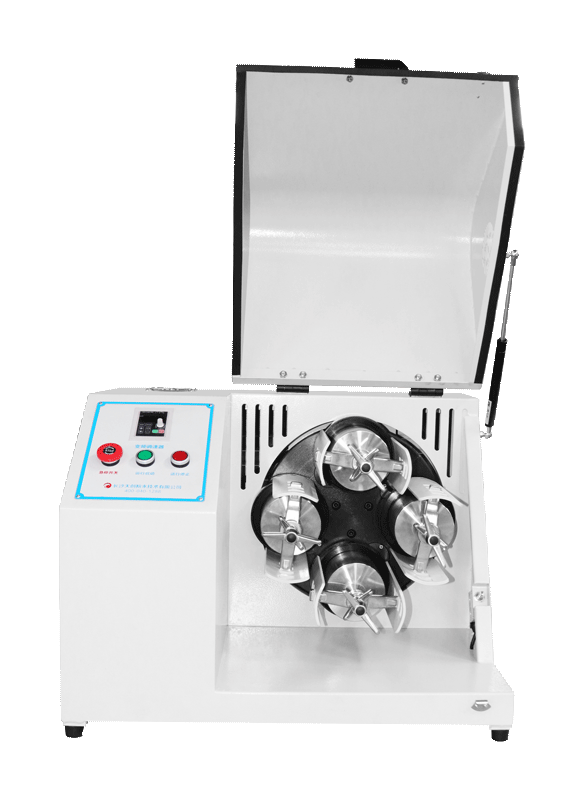
What is a Horizontal Light-Duty Ball Mill? A Laboratory Grinding Equipment for Small-Batch Fine Powder Processing

What is a Horizontal Light-Duty Ball Mill?
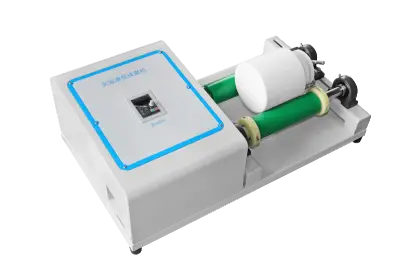
A horizontal light-duty ball mill is a compact, bench-top grinding machine designed for small-scale laboratory use. It is a type of roller ball mill that operates on the principle of rotating a horizontal cylindrical jar filled with grinding media (such as balls or rods) and the material to be ground. As the jar rotates, the grinding media cascade and tumble, applying impact, compression, and shear forces to the material, progressively reducing it to a fine powder. Typically used for small batch processing, this equipment is ideal for research, quality control, and small-scale production in materials science, chemistry, mining, and ceramics.
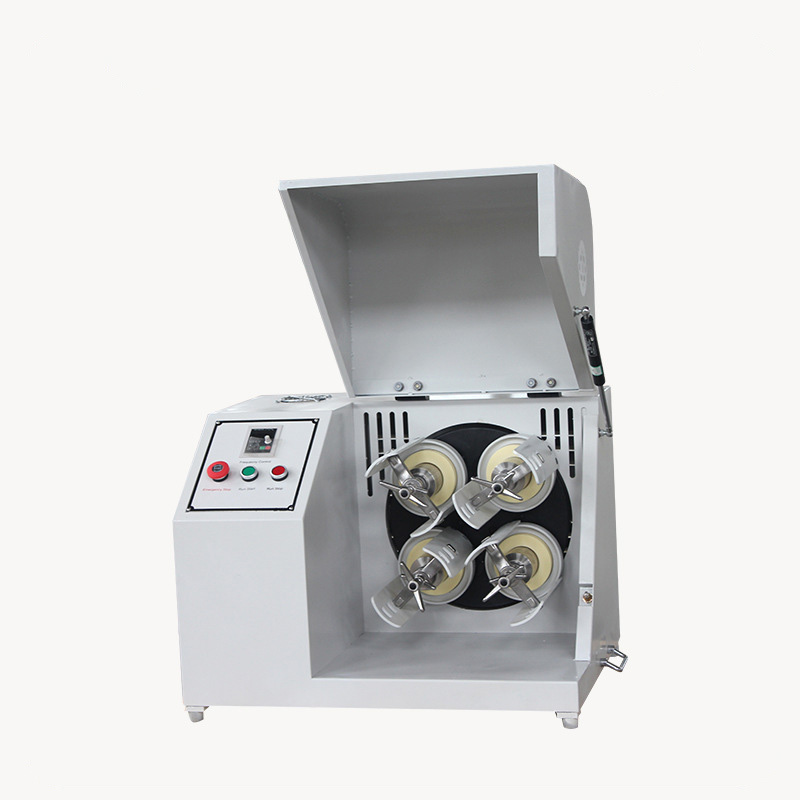
Core Function and Working Principle
The primary function of a horizontal light-duty ball mill is to transform coarse granular solids into a fine or ultra-fine powder through a controlled milling process. The core working mechanism is straightforward yet highly effective:
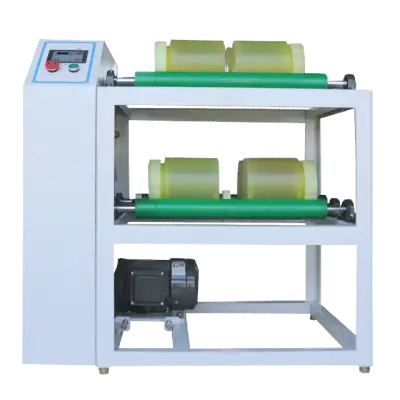
- Rotation: The horizontal jar (also called the drum or mill pot) is mounted on two rollers and driven by a motor via a belt or gear system. The jar rotates at a selected speed, typically between 60 and 300 rpm.
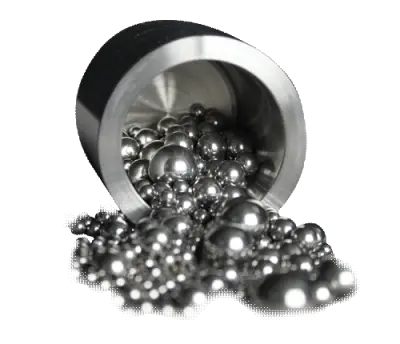
- Media Motion: Inside the jar, grinding media (e.g., ceramic, steel, or agate balls) occupy about 30%–50% of the jar volume. As the jar rotates, the media is lifted by centrifugal force and friction to a certain height before cascading or cataracting down, hitting the material and other media.
- Grinding Actions: The material is crushed by impact (direct collision), ground by attrition (shear between moving media), and abraded by sliding. The combination of these actions ensures efficient size reduction.
- Parameter Control: The final particle size can be adjusted by varying rotation speed, grinding time, media size, material-to-media ratio, and whether the process is dry or wet. Wet milling often produces finer particles and reduces dust.
This design is particularly valued for its simplicity, low maintenance, and ability to produce consistent, reproducible results for small batches.
Key Components and Technical Features
While the horizontal light-duty ball mill has a simple overall structure, several key components directly affect its performance and longevity:
- Mill Jar (Drum): Typically made of stainless steel, ceramic, or PTFE-liner, with volumes ranging from 0.5 L to 20 L. The jar material must be compatible with the sample to avoid contamination.
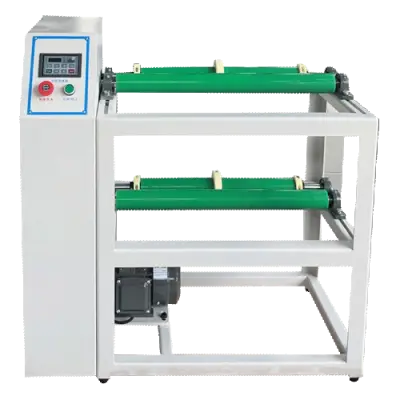
- Rollers: Two parallel rubber-coated rollers provide friction to rotate the jar. They must be precisely aligned to ensure smooth operation.
- Drive System: A variable-speed motor with a controller allows the user to set and maintain the optimum rotation speed for different materials and jar sizes.
- Safety Features: Many models include a lid interlock, emergency stop, and overload protection for safe operation in a laboratory environment.
- Noise and Vibration Dampening: Light-duty models are designed for low noise and minimal vibration, making them suitable for benchtop use.
Key Performance Indicators and Selection Criteria
When selecting a horizontal light-duty ball mill for your laboratory, consider the following metrics and factors:
| Parameter | Consideration |
|---|---|
| Capacity (per batch) | Typically 0.5 L to 20 L jar volume; choose based on sample quantity. For most lab tasks, 2 L to 5 L is sufficient. |
| Grinding fineness | Can achieve <10 µm for many materials; final particle size depends on material properties and milling parameters. |
| Speed range | 60–300 rpm is common; lower speeds for gentle mixing, higher for aggressive grinding. |
| Motor power | 0.25 kW to 1.1 kW; lower power for small jars and soft materials. |
| Noise level | Light-duty mills usually operate below 70 dB, important for lab comfort. |
| Ease of cleaning | Removable jars and easy-access rollers reduce downtime between batches. |
| Automation | Some models include digital timers, speed preset, and programmability for repeatable processes. |
For most users, a model with a speed range of 60–200 rpm and a jar volume of 2–5 L offers a good balance of versatility and footprint. Always verify compatibility with the intended grinding media and jar material.
Common Applications and Selection Advice
Horizontal light-duty ball mills are widely used in:
- Materials Research: Grinding and mixing of powders for new materials development, including ceramics, composites, and catalysts.
- Chemistry & Pharmacy: Preparing fine powders for analysis, drug formulation, or solid-state reactions.
- Mining & Mineral Processing: Small-scale ore grinding for assay or beneficiation tests.
- Geology & Environmental Science: Soil, sediment, and rock sample preparation for elemental analysis.
- Food & Agriculture: Grinding grains, spices, or plant materials into fine powders for testing or product development.
For beginners or routine sample prep, a basic model with a fixed speed or simple timer is cost-effective. For advanced research requiring reproducibility and parameter tracking, invest in a mill with digital speed control and programmable cycles. If your materials are heat-sensitive, consider wet milling or models with cooling options.
For more detailed specifications and to browse compatible jars and media, visit the Horizontal Light-Duty Ball Mill product page.
References
- Product: Horizontal light-duty ball mill – https://www.planetaryballmills.com/products/grinding-series/planetary-ball-mill/horizontal-light-duty-ball-mill.html
- Related: Planetary ball mill series – https://www.planetaryballmills.com/products/grinding-series/planetary-ball-mill/
Related Products
Get In Touch
Our professional team will reply to you within one business day. Please feel free to contact us!