

What is a Horizontal Light-duty Ball Mill? A Versatile Laboratory Equipment for Fine Grinding and Homogenization
Introduction to the Horizontal Light-duty Ball Mill
At its core, the horizontal light-duty ball mill is a specialized laboratory milling machine that researchers and technicians use to grind, mix, and homogenize solid materials into fine powders. It belongs to the family of planetary ball mills, where the grinding jars rotate around a central axis while also spinning on their own axes, creating powerful centrifugal forces. This compact and lightweight equipment is designed for routine sample preparation in material science, chemistry, geology, and pharmaceuticals, enabling efficient particle size reduction down to the submicron or even nanometer range.
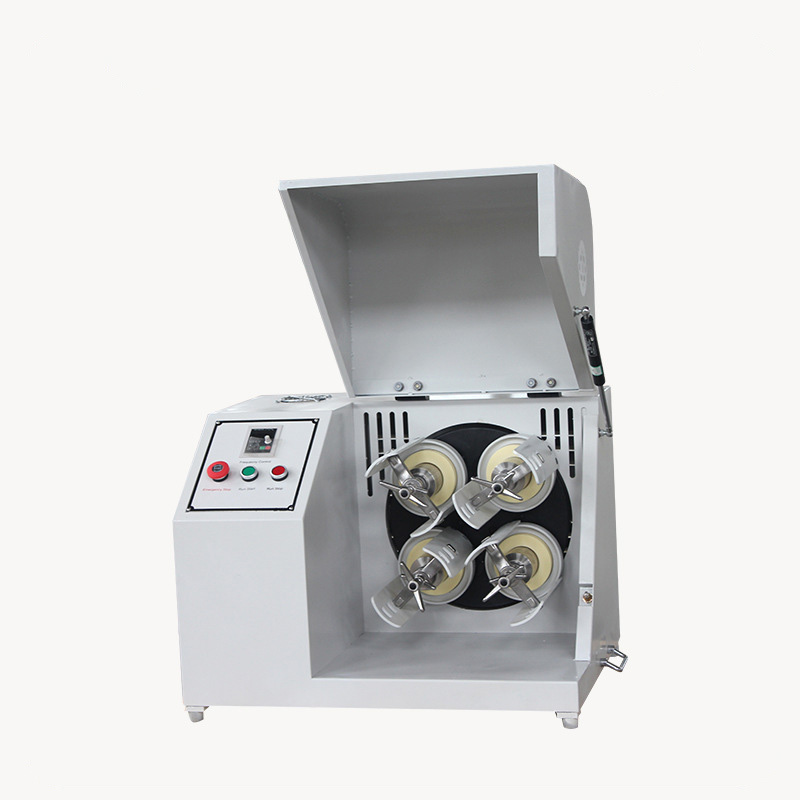
Core Function and Working Principle
The primary function of the horizontal light-duty ball mill is to transform coarse materials (typically 0.5–3 mm) into fine powders (5–75 μm) or ultra-fine powders (down to 0.1 μm). The machine achieves this through a unique planetary motion mechanism: a main disk rotates at a controlled speed, carrying multiple grinding jars that simultaneously rotate in the opposite direction. This combination of revolution and rotation generates strong centrifugal forces that drive the grinding balls and material particles to collide, shear, and rub against each other and the jar walls.
The key parameters influencing grinding efficiency include the rotational speed ratio between the main disk and the jars, the size and material of grinding balls, the filling volume of the jar (typically up to two-thirds of the jar capacity), and the milling duration. By adjusting these parameters, users can achieve the desired particle size distribution. The horizontal configuration offers better stability and lower vibration compared to vertical designs, making it ideal for light-duty laboratory applications.
Key Components and Technical Features
The horizontal light-duty ball mill consists of several essential components:
- Main drive unit: A motor-driven rotating disk that supports the grinding jars. The transmission uses a rolling friction mechanism between metal wheels and high-polymer wear-resistant wheels, which significantly reduces noise and eliminates the risk of gear breakage common in traditional gear-driven mills.
- Grinding jars: Typically made from stainless steel, agate, zirconia, alumina, nylon, PTFE, or other materials. The choice of jar material depends on the sample type and contamination requirements. The mill can accommodate up to four jars, allowing simultaneous processing of four different samples or duplicate runs.
- Grinding media: Balls of various sizes and materials (e.g., stainless steel, zirconia, agate, tungsten carbide) that provide the impact and friction needed for comminution.
- Control panel: Digital timer and speed controller for setting rotation speed and milling time, often with programmable features for reproducibility.
This machine is designed for dry and wet grinding, as well as vacuum or atmosphere-protected milling when equipped with sealed jars. It can also be used for mixing, homogenizing, and mechanical alloying.
Performance Indicators and Selection Criteria
When selecting a horizontal light-duty ball mill, users should consider the following key performance indicators:
- Processing capacity: Typically handles sample volumes from a few milliliters to several hundred milliliters per batch, depending on the jar size (commonly 0.5 L to 2 L per jar).
- Particle size control: Achievable final fineness can reach below 0.1 μm (nanometer scale) with optimized parameters. The maximum grinding acceleration can reach 100 G, enabling rapid particle size reduction.
- Speed range: Rotation speed of the main disk typically ranges from 100 to 600 rpm, with jar speed ratio adjustable for different milling intensities.
- Noise level: The rolling friction transmission keeps noise low, making it suitable for quiet laboratory environments.
- Ease of maintenance: Simple structure allows easy cleaning and jar replacement. The absence of gears reduces maintenance requirements.
For most general-purpose laboratory grinding, a standard model with adjustable speed and timer is sufficient. If the material is heat-sensitive, a cryogenic version or water-cooled option may be needed. For contamination-sensitive samples, jars and media made of the same material as the sample (e.g., agate or zirconia) are recommended.
Applications and Selection Advice
The horizontal light-duty ball mill is widely used in geology, mining, metallurgy, electronics, building materials, ceramics, chemicals, pharmaceuticals, environmental science, and food testing. Typical materials include ores, minerals, glass, ceramics, pigments, polymers, pharmaceuticals, herbs, soil, cement clinker, and many others. It is also suitable for producing nanomaterials, mechanical alloying, and preparing samples for X-ray fluorescence (XRF) or X-ray diffraction (XRD) analysis.
For research laboratories focusing on material development, a versatile model with interchangeable jar materials and programmable control is ideal. For quality control labs that process routine samples, a simpler model with fixed speed may suffice. Always consider the maximum feed size (usually ≤10 mm for soil, ≤3 mm for other materials) and the required throughput when selecting the appropriate jar capacity and number of jars.
References
Related Products
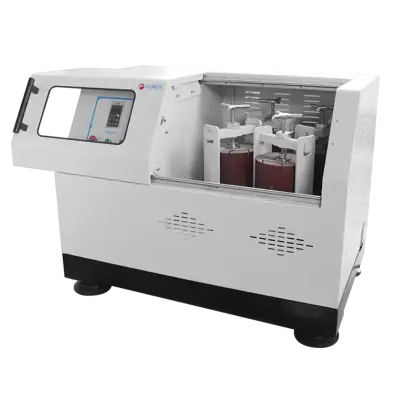
XQM-20 20L Vertical Production Planetary Ball Mill
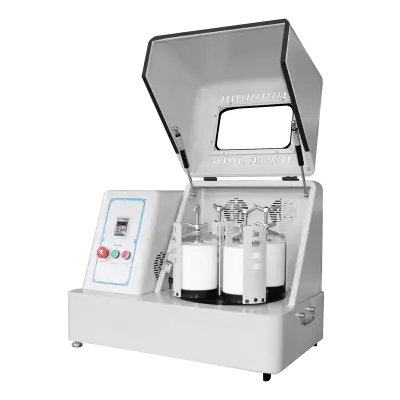
Laboratory planetary grinder
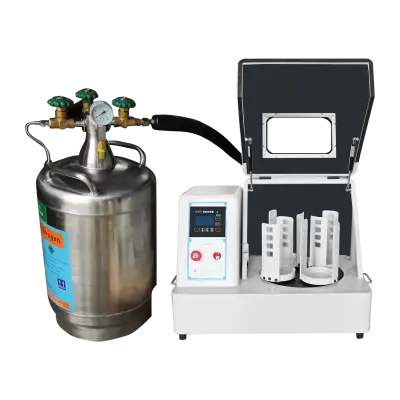
Liquid Nitrogen Planetary Ball Mill
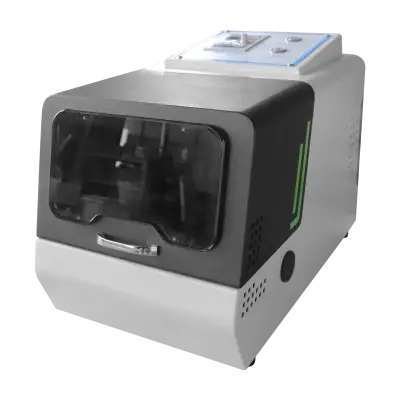
Micro Planetary Ball Mill
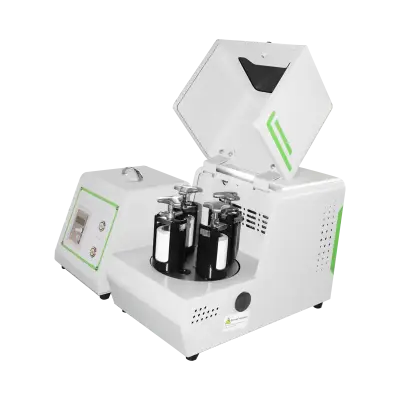
Micro Planetary Ball Mill
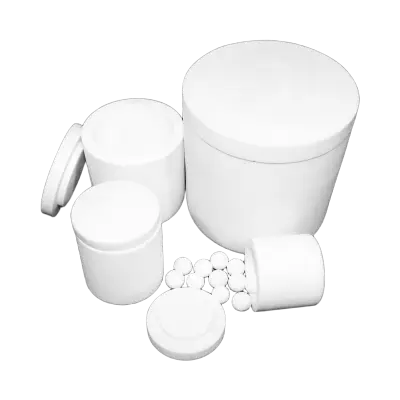
A grade Corundum planetary Mill Jar
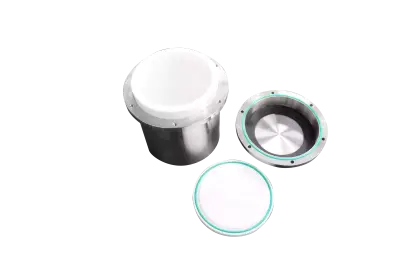
304 stainless steel lined with zirconia mill jar
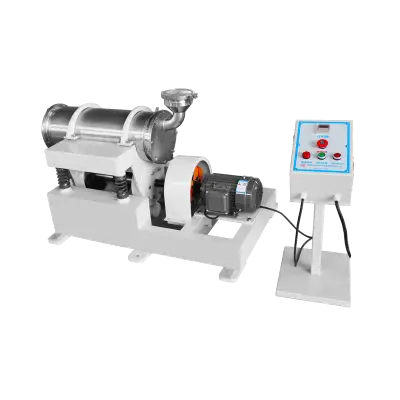
Lightweight vibrating ball mill
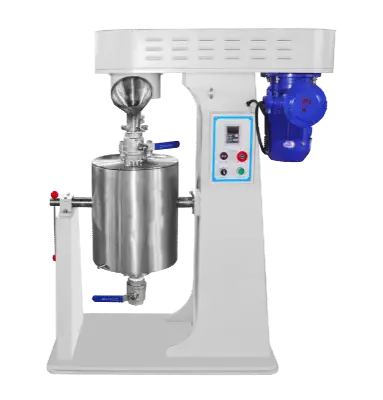
Lightweight stirred ball mill
Get In Touch
Our professional team will reply to you within one business day. Please feel free to contact us!