

What is a Horizontal Light-duty Ball Mill? A Versatile Grinding Tool for Laboratory Sample Preparation and Fine Powder Processing
Introduction
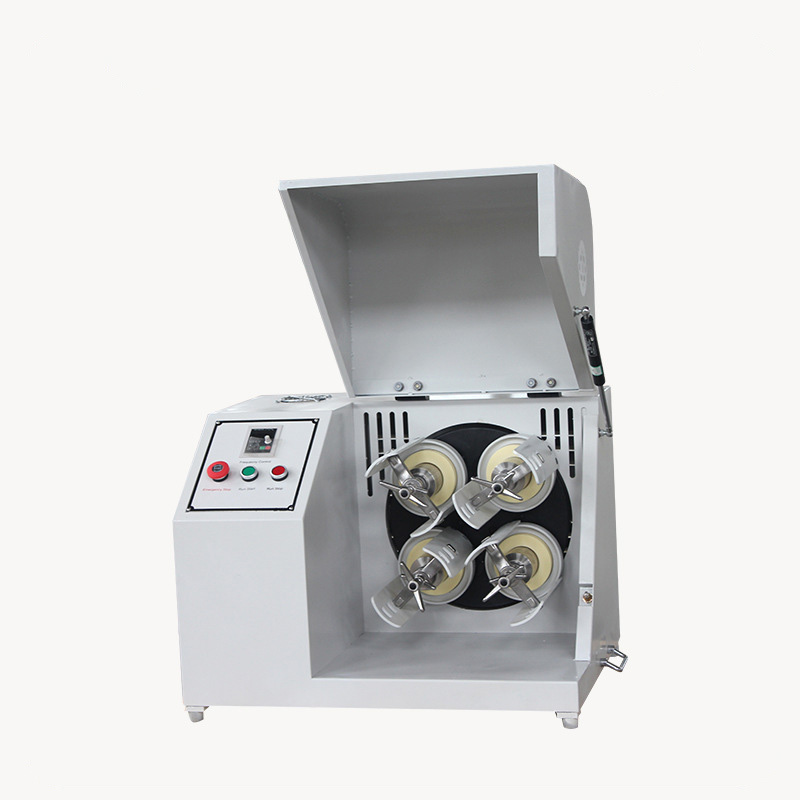
From the core, a horizontal light-duty ball mill is a specialized laboratory grinding equipment that researchers and technicians use to grind, mix, and homogenize small batches of materials down to fine or even nano-sized powders. Designed for compact benchtop setups, this device combines the efficiency of planetary ball milling with a horizontal configuration, offering a convenient solution for routine sample preparation in materials science, chemistry, geology, and other fields.
Core Function and Working Principle
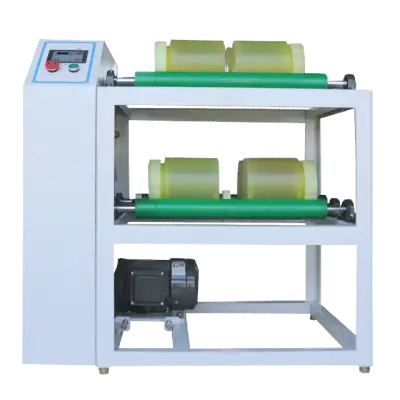
The primary function of a horizontal light-duty ball mill is to transform coarse particles into fine powders through mechanical impact and friction. The equipment consists of a rotating horizontal drum (or jars) that contains grinding media (balls) and the material to be processed. When the drum rotates, the balls are lifted and then cascade down, crushing the material by impact, shear, and attrition.
In many models, the horizontal mill operates on a planetary principle: the main disk rotates while the grinding jars revolve around their own axes. This dual motion creates a powerful centrifugal field, accelerating the balls to high speeds and generating intense grinding forces. The result is rapid particle size reduction, often achieving d50 below 1 micron within a short time.
Key process parameters include rotation speed, grinding time, ball-to-material ratio, and the size and material of the grinding balls. Adjusting these parameters allows precise control over the final particle size distribution, making the mill suitable for a wide range of materials from soft organics to hard ceramics.
Key Components and Technologies
A typical horizontal light-duty ball mill consists of the following main components:
- Grinding Jars: Usually made of stainless steel, ceramic, agate, or zirconia, these jars hold the sample and grinding balls. The horizontal orientation allows easy loading and unloading.
- Grinding Media: Balls of various materials (e.g., steel, zirconia, agate) with diameters typically from 0.5 mm to 20 mm. The choice of media depends on sample hardness and contamination concerns.
- Drive System: A motor and belt or gear mechanism that rotates the jars at controlled speeds. Many units feature variable speed control and programmable timers.
- Safety Features: Interlocks, noise reduction housings, and emergency stop buttons ensure safe operation.
Advanced models may include touchscreen controls, preset programs, and data logging for reproducible results. Some also offer optional cooling or heating systems for temperature-sensitive materials.
Key Performance Indicators and Selection Criteria
When selecting a horizontal light-duty ball mill, consider the following factors:
- Capacity and Throughput: Typical jar volumes range from 50 ml to 500 ml per jar, with multi-jar models allowing simultaneous processing of multiple samples. For light-duty lab use, a capacity of 2–4 jars of 100–250 ml is common.
- Speed Range: Rotational speed directly affects grinding energy. Most lab mills offer speeds from 100 to 600 rpm. Higher speeds enable finer grinding but may increase wear and heat.
- Final Particle Size: The mill can achieve submicron particles (down to 0.1 µm) depending on material and settings. For nano-scale grinding, additional factors like ball size and material properties matter.
- Noise and Vibration: Light-duty models are designed for quiet operation (typically < 70 dB). Check the sound level if the mill will be used in a shared lab.
- Ease of Maintenance: Look for easy-to-clean jars, accessible drive components, and durable construction. Many mills use rolling friction drives (instead of gears) to reduce noise and wear.
- Automation and Control: Programmable timers, pause/restart functions, and remote control enhance convenience. Touchscreen interfaces simplify operation.
Applications and Selection Advice
Horizontal light-duty ball mills are widely used in:
- Materials Research: Grinding of ceramics, metals, alloys, and composites for powder metallurgy and nano-materials.
- Chemical and Pharmaceutical: Homogenization of catalysts, pigments, and active pharmaceutical ingredients.
- Geology and Mining: Sample preparation for XRF, XRD, and other analytical methods.
- Food and Agriculture: Grinding of grains, spices, and plant materials for analysis.
For users who require high throughput and fine grinding of small samples, a horizontal light-duty ball mill offers an excellent balance of performance and cost. If your application involves heat-sensitive materials, consider models with temperature control. For routine grinding of medium-hard materials, a standard model with stainless steel jars and zirconia balls is often sufficient. Always consult the manufacturer's specifications to match the mill's capabilities with your specific needs.
References
For more details, visit the official product page: Horizontal light-duty ball mill.
Related Products
Get In Touch
Our professional team will reply to you within one business day. Please feel free to contact us!