
What is a Horizontal Light-Duty Ball Mill? A Compact Grinding Machine for Laboratory Powder Preparation

What is a Horizontal Light-Duty Ball Mill?
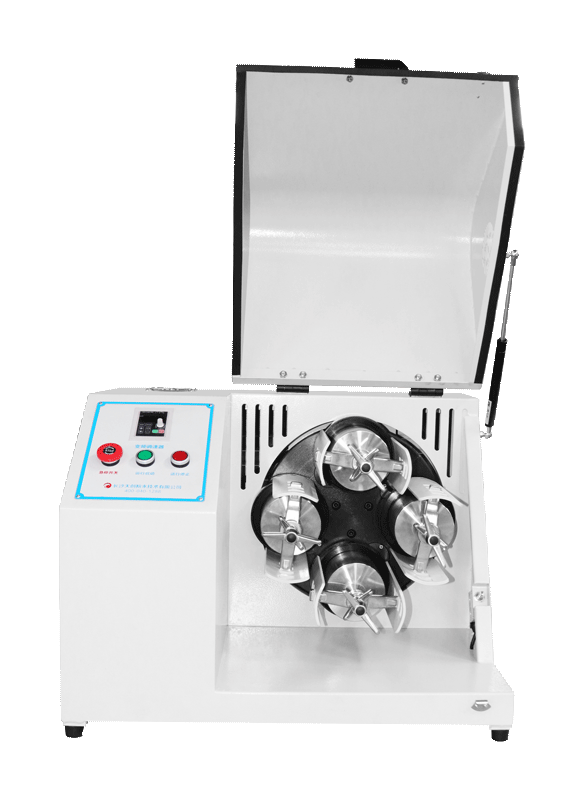
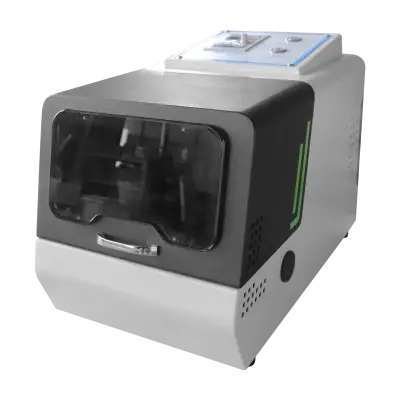
From the core, a horizontal light-duty ball mill is a specialized laboratory grinding device that researchers and small-scale manufacturers use to pulverize, mix, and homogenize solid materials into fine powders or even nanomaterials. It belongs to the category of planetary ball mills, where the grinding jars rotate both on their own axis (self-rotation) and around a central axis (revolution), generating intense impact and friction forces. The "horizontal" refers to the orientation of the grinding jars when positioned on the mill, and "light-duty" indicates its compact size and moderate power, suitable for processing small batches (typically from tens of grams to a few kilograms) of materials in a controlled environment.
Core Function and Working Principle
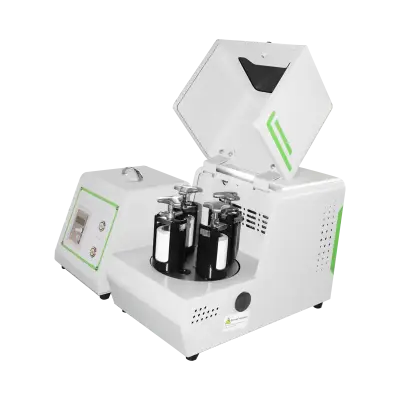
This equipment transforms coarse feedstock into ultrafine particles through a well-established mechanical process. The mill consists of a horizontal rotating platform called the planetary disk, onto which one or more grinding jars are mounted. The jars are partially filled with grinding balls (made of materials like zirconia, agate, stainless steel, etc.) and the sample. When the disk rotates at high speed, the jars spin in the opposite direction relative to the disk, creating a powerful centrifugal field. This causes the grinding balls to fly across the jar chamber, colliding with the material and with each other, thereby crushing the particles through impact and shear.
Key parameters that influence the result include the rotation speed (often programmable), the grinding time, the size ratio of balls to material, and the choice of jar and ball materials. By optimizing these variables, users can achieve particle sizes down to submicron or even nanometer range. The horizontal configuration allows for efficient mixing and reduces the risk of material settling, making it especially suitable for wet and dry grinding of hard, brittle, or fibrous samples.
Core Components and Key Technologies
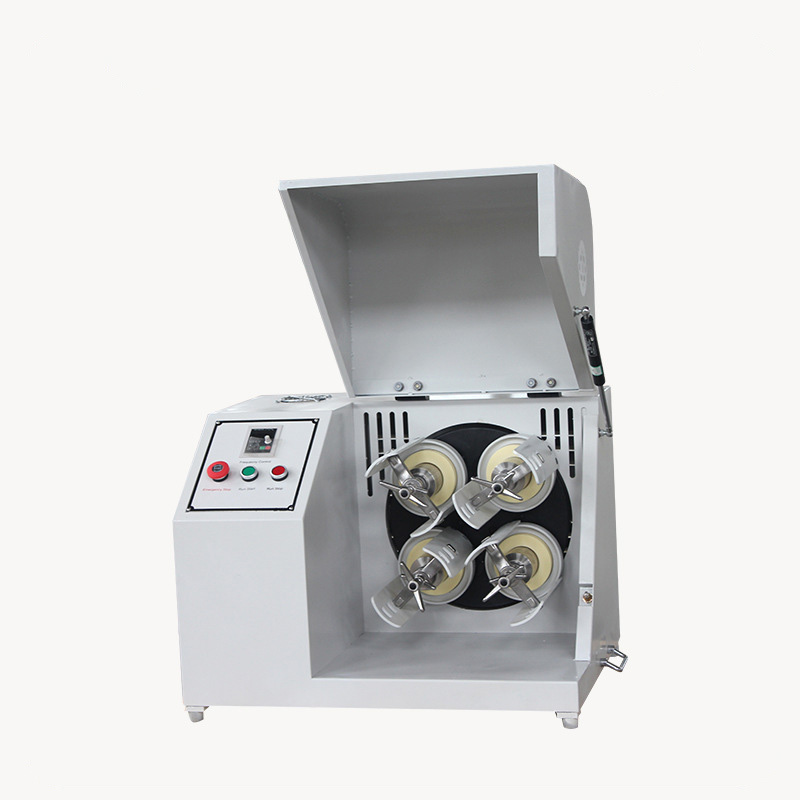
The horizontal light-duty ball mill is composed of several essential parts:
- Planetary Disk: The main rotating platform that holds the grinding jars. It is driven by a high-torque motor through a belt or gear system.
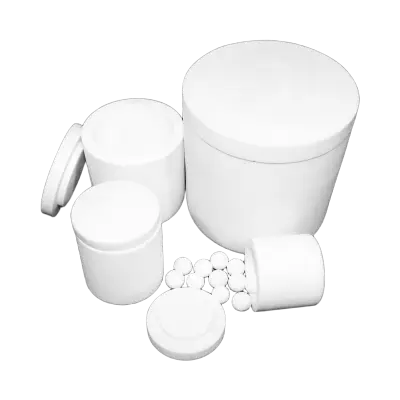
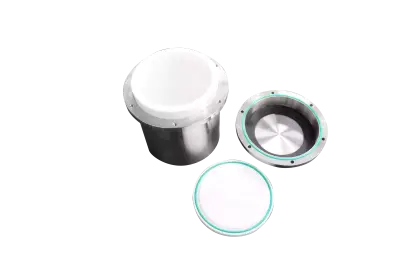
- Grinding Jars: Sealed containers (available in materials such as stainless steel, agate, zirconia, nylon, PTFE, etc.) that hold the sample and grinding balls. The horizontal orientation ensures uniform distribution of the balls and material.
- Grinding Balls: The milling media. Their size, material, and density determine the grinding efficiency and final fineness. Common choices include zirconia balls for high hardness and low contamination, or agate balls for non-metallic samples.
- Control System: Modern units feature a programmable touch screen or digital interface, allowing precise setting of speed, time, and direction reversal, which enhances uniformity.
- Safety Features: Interlocks that stop the mill when the lid is opened, noise damping enclosures, and overload protection.
Compared to vertical planetary ball mills, the horizontal design allows easier access to jars, better cooling, and more effective mixing for certain materials.
Key Performance Indicators and Selection Criteria
When choosing a horizontal light-duty ball mill, consider the following factors:
- Processing Capacity: Typically ranges from 100 mL to 5 L per jar. For laboratories handling small samples (e.g., 50 g to 500 g), a compact model with one or two jar stations is sufficient.
- Fineness Control: The ability to reach submicron to nanometer level depends on maximum rotational speed (usually 300 to 800 rpm or more). Higher speed produces finer particles but also increases heat generation.
- Material Compatibility: Jars and balls must be chemically inert to the sample. For instance, agate jars are excellent for silica-free grinding; zirconia jars offer high wear resistance for hard materials; PTFE jars suit corrosive substances.
- Automation: Look for programmable timing, variable speed, and programmable pauses to prevent overheating. Touch-screen models simplify operation and data logging.
- Noise and Vibration: Light-duty models are generally quieter and produce less vibration compared to heavy-duty mills, but an enclosed chassis is beneficial for noise reduction.
- Maintenance: Easy jar removal and interchangeability reduce downtime. Some models offer quick-release clamps.
Applications and Selection Advice
Horizontal light-duty ball mills are widely used in material science, chemistry, pharmacy, ceramics, geology, and food research. Typical applications include:
- Grinding of minerals, ores, and ceramics for powder technology.
- Mechanical alloying and synthesis of advanced materials.
- Preparation of nano-sized pigments, catalysts, and pharmaceutical ingredients.
- Mixing and homogenization of multi-component systems.
For users with routine sample grinding needs (e.g., soil, cement, pigments), a basic model with stainless steel jars and zirconia balls offers a cost-effective solution. For high-purity or contamination-sensitive samples, choose agate or zirconia jars. If you need to process multiple samples simultaneously, opt for a model with four or more jar stations. Always verify that the mill can accommodate the required jar volume and that the maximum speed meets your target particle size.
References
Horizontal light-duty ball mill product page: https://www.planetaryballmills.com/products/grinding-series/planetary-ball-mill/horizontal-light-duty-ball-mill.html
Related Products
Get In Touch
Our professional team will reply to you within one business day. Please feel free to contact us!