

What is Heavy Duty Horizontal Ball Mill? A Planetary Grinding Equipment for High-Efficiency Fine and Ultra-Fine Powder Processing
Opening Definition
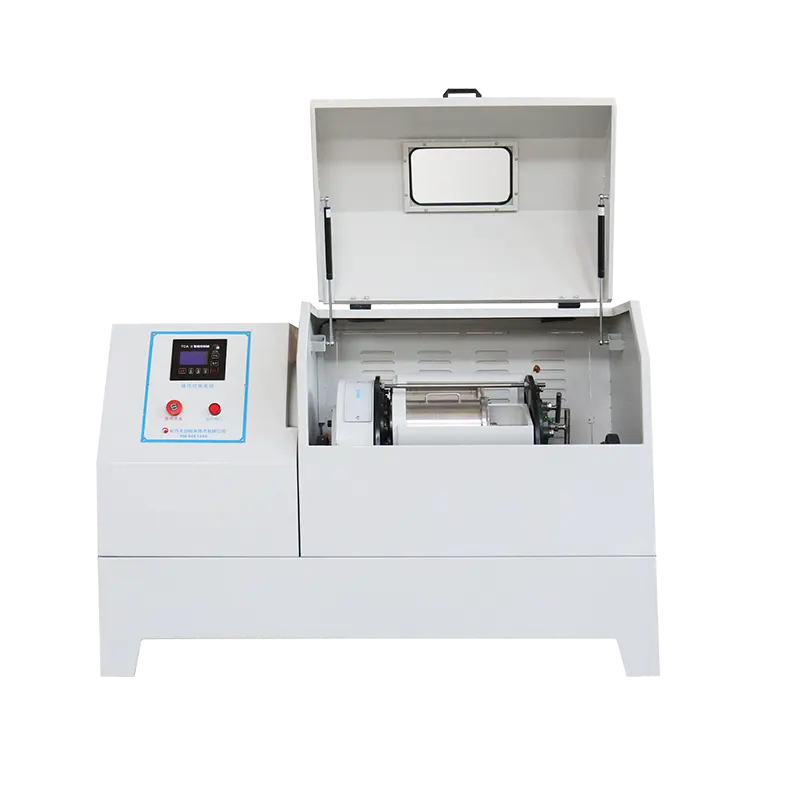
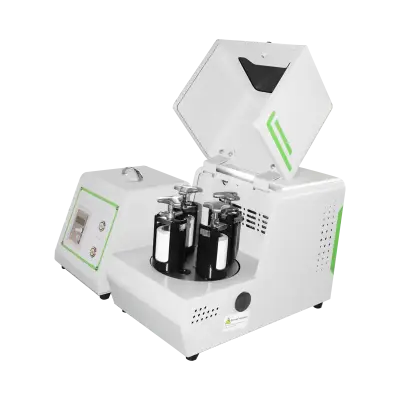
From a core perspective, the Heavy Duty Horizontal Ball Mill is a specialized planetary grinding device widely utilized in materials science, metallurgy, geology, and chemical engineering to transform coarse solid materials into fine or ultra-fine powders. Unlike traditional vertical mills, its horizontal drum configuration combined with advanced planetary motion mechanics delivers superior grinding intensity and operational stability, making it an ideal choice for demanding sample preparation, nanomaterial synthesis, and small-batch pilot production scenarios.
Core Functions & Working Principles
The fundamental function of this equipment is to reduce particle size through controlled mechanical force, converting raw materials from a granular or chunky state into uniform micrometer or nanometer-scale powders. Its working principle relies on a unique combination of centrifugal force and Coriolis force. As the main drive plate rotates, the grinding jars mounted on it undergo both orbital revolution and reverse self-rotation. This dual-motion creates intense relative movement between the grinding media (typically steel, zirconia, or agate balls) and the material inside the sealed jar.
During operation, the grinding media are lifted along the inner wall of the jar and then cascade downward under gravity. This trajectory generates powerful impact, shear, compression, and friction forces simultaneously. These synergistic actions efficiently fracture particles, break down agglomerates, and promote homogeneous mixing. Key process parameters such as rotational speed, grinding duration, media-to-material ratio, and jar filling level directly dictate the final particle size distribution, crystallinity, and surface morphology. Precise control over these variables allows operators to tailor the output for specific experimental reproducibility or production requirements.
Key Components & Technical Features
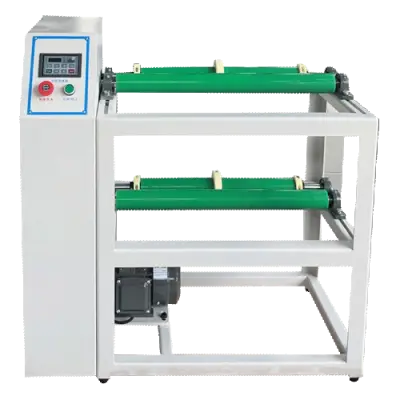
The Heavy Duty Horizontal Ball Mill distinguishes itself through several engineered components optimized for durability and performance. The horizontal drum design significantly lowers the center of gravity, enhancing structural stability during high-speed rotation and minimizing vibration compared to conventional vertical setups. It features a heavy-duty transmission system capable of handling substantial loads, ensuring consistent torque delivery even when processing hard, abrasive, or highly viscous materials.
Additionally, the sealing mechanism is engineered to prevent dust leakage and cross-contamination, maintaining a clean laboratory or workshop environment. Advanced configurations integrate programmable micro-computer controllers that allow users to set multi-stage speed profiles, pause intervals, and temperature monitoring protocols. These features improve process repeatability, protect heat-sensitive compounds, and extend the service life of critical mechanical parts.
Key Performance Indicators & Selection Points
When selecting a Heavy Duty Horizontal Ball Mill, buyers should evaluate several critical metrics to ensure alignment with their workflow. First, consider the throughput capacity and compatible jar volumes; these machines typically range from compact laboratory units to larger pilot-scale models, so matching daily sample requirements is essential. Second, granularity control capability depends heavily on the available speed range and the hardness/density of the chosen grinding media. Higher rotational speeds yield finer outputs but may accelerate wear rates, requiring careful balance based on material properties.
Third, energy efficiency and thermal management are vital considerations. Continuous high-intensity grinding generates significant frictional heat, which can alter phase structures or degrade organic samples. Models equipped with integrated cooling jackets, water circulation systems, or intelligent intermittent operation modes help maintain optimal temperatures. Finally, ease of maintenance, modular jar designs, quick-release safety locks, and compliance with international electrical and mechanical safety standards should be thoroughly verified before procurement.
Application Areas & Selection Advice
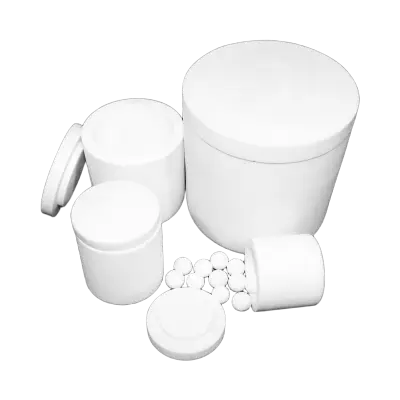
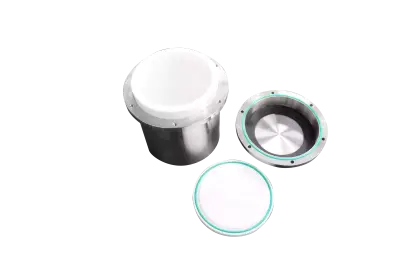
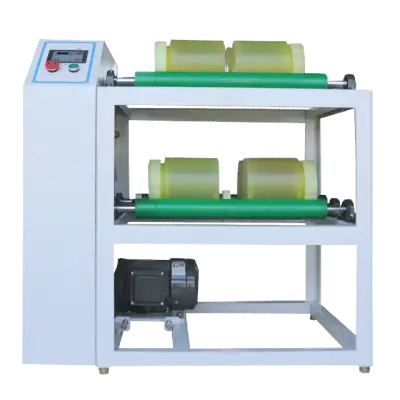
This equipment finds extensive use in academic research centers, battery material development, ceramic formulation, pharmaceutical R&D, geological analysis, and polymer modification. For researchers focusing on brittle substances or nanomaterials, pairing the mill with low-friction ceramic jars and optimized ball sizes ensures minimal cross-contamination and precise size reduction. Industrial users requiring higher throughput or continuous operation might explore related solutions like the Continuous Planetary Ball Mill or Vertical Production Planetary Ball Mill for seamless scaling.
Always conduct preliminary bench tests with actual samples to validate grinding kinetics, media wear rates, and thermal behavior before committing to full-scale deployment. Proper selection based on material hardness, required fineness, and batch volume will maximize equipment lifespan and processing efficiency.
References
Related Products
Get In Touch
Our professional team will reply to you within one business day. Please feel free to contact us!