

What is a Four Station Jar Mill? A Versatile Mill for Multi-Sample Batch Grinding in Laboratories
What is a Four Station Jar Mill? A Versatile Mill for Multi-Sample Batch Grinding in Laboratories
At its core, a four station jar mill is a specialized roll ball mill that laboratories and small-scale production facilities use to simultaneously grind, mix, and homogenize up to four different powder samples in separate jars. This equipment is particularly valued for its ability to perform batch processing with high efficiency, making it an essential tool for materials research, quality control, and small-volume production of ceramics, chemicals, minerals, and advanced materials.
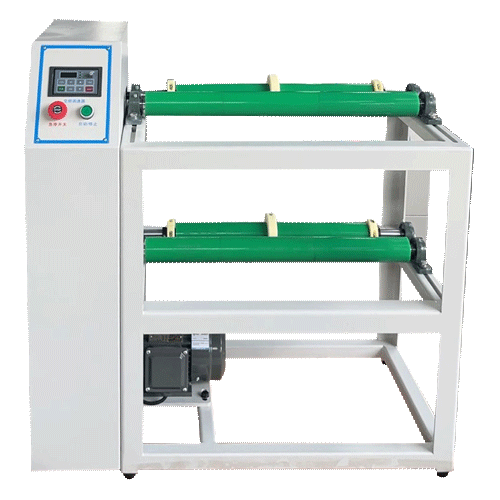
Core Function and Working Principle
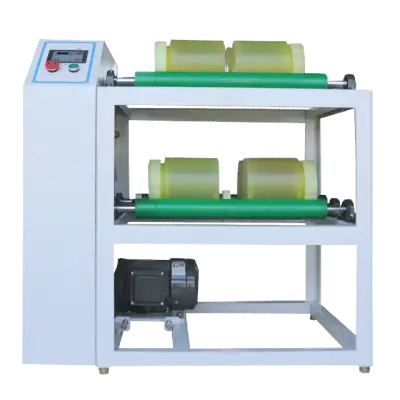
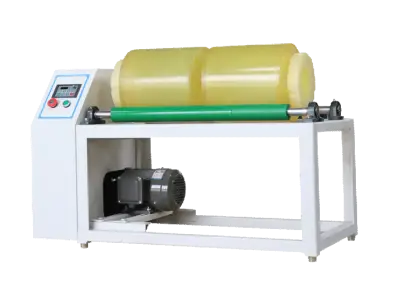
The primary function of a four station jar mill is to transform coarse or granular materials into fine powders through a controlled tumbling and grinding process. The machine consists of a set of rotating rollers (usually two or more) that drive cylindrical jars placed on them. As the rollers rotate, the jars are set into motion, causing the grinding media inside (such as ceramic balls, steel balls, or agate balls) to cascade and impact the material, achieving size reduction.
The process is purely mechanical and relies on the frictional and centrifugal forces generated by the rotation. The key parameters that influence the grinding efficiency and final particle size include the rotational speed of the rollers, the size and density of the grinding media, the material-to-ball ratio, and the grinding duration. By adjusting these parameters, the user can achieve particle sizes ranging from tens of microns down to sub-micron levels.
Key Components and Technologies
Although the four station jar mill is a relatively simple machine, its design incorporates several important features that enhance its performance and versatility:
Roller System
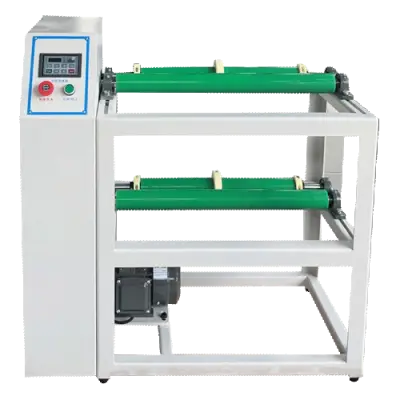
The machine typically uses a pair of parallel rollers made of wear-resistant rubber or polyurethane. The rollers are driven by a motor through a gearbox or belt drive, providing a stable and adjustable rotational speed. The spacing between rollers can be adjusted to accommodate jars of different diameters.
Jars and Grinding Media
The jars are available in various materials, including ceramic, stainless steel, nylon, PTFE, and polyurethane, allowing users to choose based on the material being ground and contamination requirements. The grinding media can be selected from a wide range, such as zirconia, agate, steel, or corundum balls, each offering different hardness and wear characteristics.
Control and Safety Features
Modern four station jar mills often include digital timers, speed controllers, and emergency stop buttons. Some models feature programmable forward/reverse rotation to enhance mixing uniformity. Additionally, the machine may include a safety cover that prevents operation when open, ensuring operator protection.
Key Performance Indicators and Selection Criteria
When selecting a four station jar mill, users should consider the following technical parameters:
- Number of Stations: The four-station design allows simultaneous processing of up to four jars, increasing throughput. For higher throughput, models with 8 stations (like the jar mill with 8 working stations) are available.
- Roller Speed Range: Typical speed range is 50–600 rpm. Variable speed control is essential for optimizing grinding for different materials.
- Jar Capacity: Common jar sizes range from 0.5 L to 20 L per jar. The total capacity determines the batch size.
- Grinding Fineness: The achievable particle size depends on the material and operating conditions. For ultra-fine grinding (down to 0.1 μm), a light-duty roll ball mill or planetary ball mill may be more suitable.
- Material of Construction: The rollers and frame should be resistant to corrosion and wear. For working with abrasive materials, a inner lined roll ball mill offers enhanced durability.
- Ease of Maintenance: Look for models with easy access to rollers and simple jar clamping mechanisms. Quick-release features reduce downtime.
- Automation: Digital timers and programmable cycles improve reproducibility and reduce manual intervention.
Application Areas and Selection Suggestions
The four station jar mill is widely used in research laboratories, universities, and small-scale production facilities for:
- Ceramics and Glass: Grinding of raw materials like feldspar, quartz, and clay.
- Chemical Industry: Mixing and grinding of pigments, catalysts, and powder additives.
- Pharmaceuticals: Fine grinding of active ingredients and excipients.
- Mining and Minerals: Sample preparation for analysis.
- Battery Materials: Grinding of electrode materials like lithium cobalt oxide and graphite.
For users who need to process only one or two jars at a time, a two working station jar mill may be a more cost-effective option. For larger-scale production, consider a large roll ball mill or a lab roll ball mill with higher capacity.
References
Get In Touch
Our professional team will reply to you within one business day. Please feel free to contact us!