

What is Vacuum Kneading Machine? An Industrial Mixing Equipment for High-Viscosity Material Processing
What is a Vacuum Kneading Machine? An Industrial Mixing Equipment for High-Viscosity Material Processing
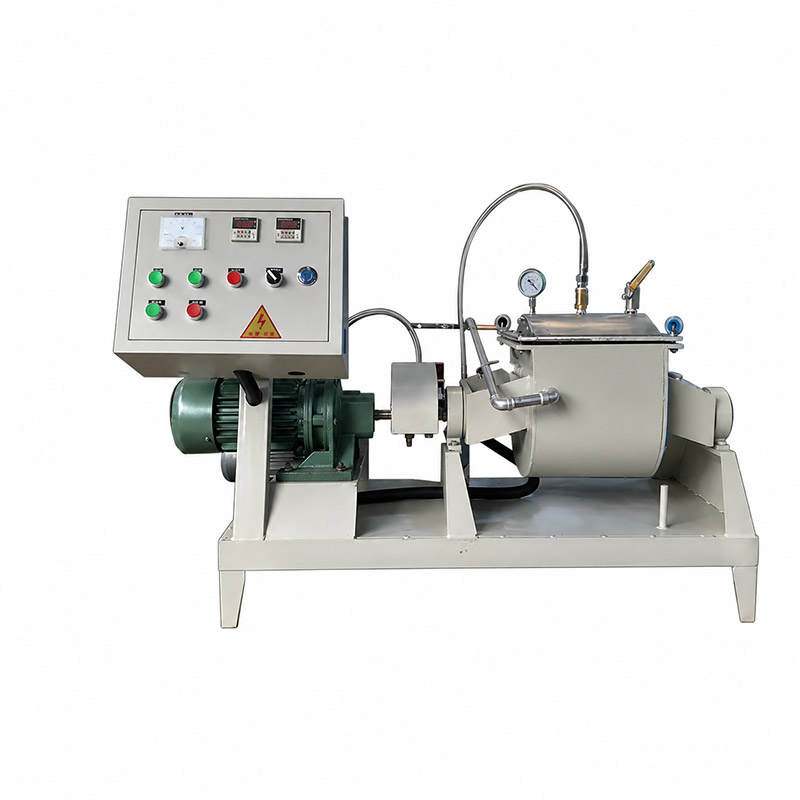
From its core, a vacuum kneading machine is a specialized industrial mixing equipment used by the chemical, rubber, sealant, adhesive, and pharmaceutical industries to process high-viscosity, elastic-plastic materials such as silicone rubber, sealants, hot-melt adhesives, and medical preparations. The device integrates a powerful kneading mechanism with a vacuum system to simultaneously mix, disperse, and degas materials, producing a homogeneous, bubble-free compound in a single operation.
Core Function and Working Principle
The fundamental function of a vacuum kneading machine is to transform solid powders, viscous liquids, or lumpy raw materials into a uniform, plasticized, and deaerated final mixture. The core working components are two parallel, counter-rotating Σ-shaped (sigma) blades mounted horizontally inside a trough-shaped chamber. These blades rotate at different speeds — typically one blade runs faster than the other — generating intense shear, compression, and folding forces that continuously knead the material. The blades' tangential and overlapping motion ensures that every part of the batch is repeatedly subjected to high mechanical stress, breaking down agglomerates, distributing fillers and additives evenly, and developing the desired rheological properties.
Simultaneously, a vacuum system (capable of reaching -0.098 MPa or higher) removes air, moisture, and volatile components from the sealed chamber. This vacuum environment serves two critical purposes: first, it prevents oxidation and thermal degradation of sensitive materials during mixing; second, it causes entrapped micro-bubbles to expand, rise, and collapse, resulting in a dense, void-free product. The entire process is governed by key parameters such as blade speed ratio, mixing time, temperature (controlled via jacketed heating/cooling), and vacuum level, all of which directly influence the final product's consistency, purity, and performance.
Main Types and Classifications
Based on structural design and process requirements, vacuum kneading machines can be categorized into several common types:
1. Standard Vacuum Kneader
Equipped with Σ-blades and a single-layer or jacketed trough, this type is suitable for general-purpose high-viscosity mixing where vacuum is needed to eliminate bubbles but temperature control is moderate.
2. Heavy-Duty Vacuum Kneader
Designed with reinforced blades, stronger drive system, and more robust seals to handle extremely high-viscosity materials (up to several million centipoise) and larger batch volumes. Often used in silicone rubber and heavy-duty sealant production.
3. Laboratory Vacuum Kneader
Small-scale units (2L, 5L, 10L capacity) used for formulation development, quality control, and small-batch R&D. They offer the same mixing and degassing principles with precise control over process parameters.
4. Specialized Configurations
Some machines come with additional features like pressure-rated designs for polymerization reactions, or with downstream extruders for continuous discharge. The choice of blade type (Σ, fish-tail, or multi-blade) can also be customized to match material rheology.
Key Performance Indicators and Selection Criteria
When selecting a vacuum kneading machine, users should evaluate the following critical metrics:
- Processing Capacity: Batch size per cycle (liters or kilograms) determines production throughput. Laboratory units start from 2L, while industrial models can exceed 1000L working volume.
- Mixing Intensity & Uniformity: Blade geometry, speed ratio, and torque capacity define how well the machine handles high-viscosity materials. Look for a proven track record with your specific material's viscosity range (e.g., 10,000 – 10,000,000 cP).
- Vacuum Performance: Ultimate vacuum level (usually ≤ -0.095 MPa) and leak rate influence degassing efficiency and product purity. High-performance seals and a reliable vacuum pump are essential.
- Temperature Control: Accurate jacket temperature control (±1°C) is vital for heat-sensitive materials. Options include electric heating, steam heating, or oil/water circulation with programmable cooling.
- Automation & PLC: Modern vacuum kneaders often feature programmable logic controllers (PLC) with touchscreen interfaces, enabling recipe storage, timed sequences, and automatic vacuum/venting cycles to ensure batch-to-batch consistency.
- Discharge Method: Hydraulic tilting, bottom ball valve, or screw extrusion – the discharge mechanism affects both convenience and material handling, especially for highly viscous products.
- Cleanability & Maintenance: Stainless steel contact parts (304/316L), mirror-polished surfaces, and easy-access blade removal facilitate cleaning and reduce contamination risks.
Application Fields and Selection Advice
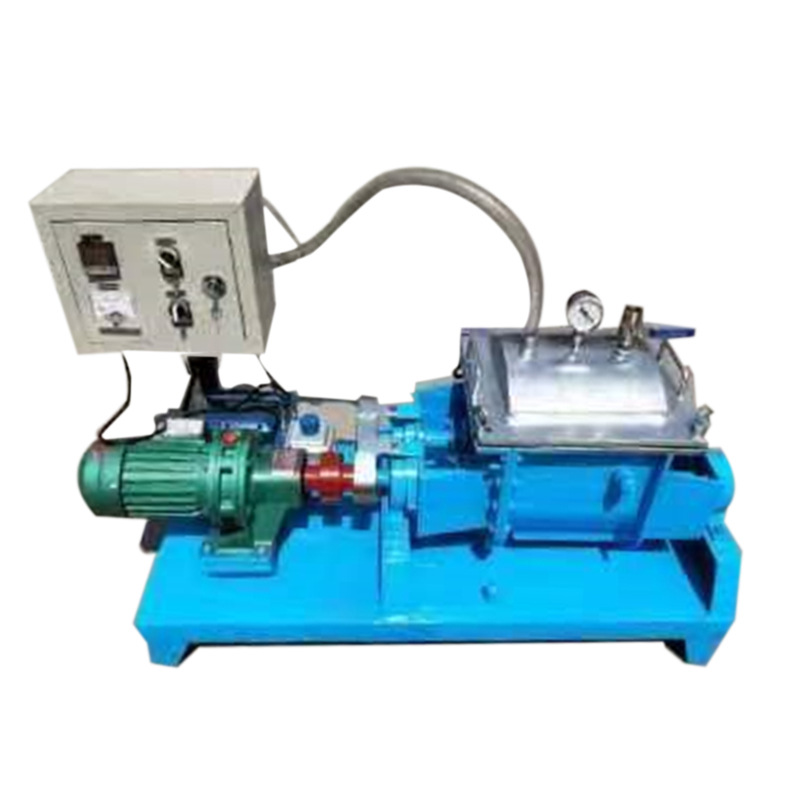
Vacuum kneading machines are indispensable in industries where high-viscosity, high-purity mixing and degassing are required. Typical applications include:
- Silicone Rubber & Sealant Production: Manufacturing of RTV silicones, MS polymers, and construction sealants.
- Hot-Melt Adhesives & Pressure-Sensitive Adhesives: Blending of resins, tackifiers, and fillers under vacuum.
- Pharmaceutical & Medical Preparations: Kneading of wound dressings, transdermal patches, and silicone-based drug delivery systems.
- Battery & Electronic Materials: Mixing of electrode pastes, conductive adhesives, and thermal interface materials.
- Food & Cosmetics: Processing of chewing gum base, lipstick, and high-viscosity creams where air entrapment is unacceptable.
For first-time buyers, start by defining your material's viscosity, required vacuum level, and batch size. Laboratory trials are highly recommended to validate blade geometry and process parameters. For R&D purposes, a compact lab kneader (e.g., 2L or 5L) is ideal. For production, choose a heavy-duty machine with automated controls and a discharge method that matches your downstream processing. Always ensure the supplier offers reliable after-sales support and compatibility with your specific raw materials.
References
Related Products
Get In Touch
Our professional team will reply to you within one business day. Please feel free to contact us!