
What is a Vacuum Kneading Machine? A High-Efficiency Mixing Equipment for High-Viscosity Materials

What is a Vacuum Kneading Machine?
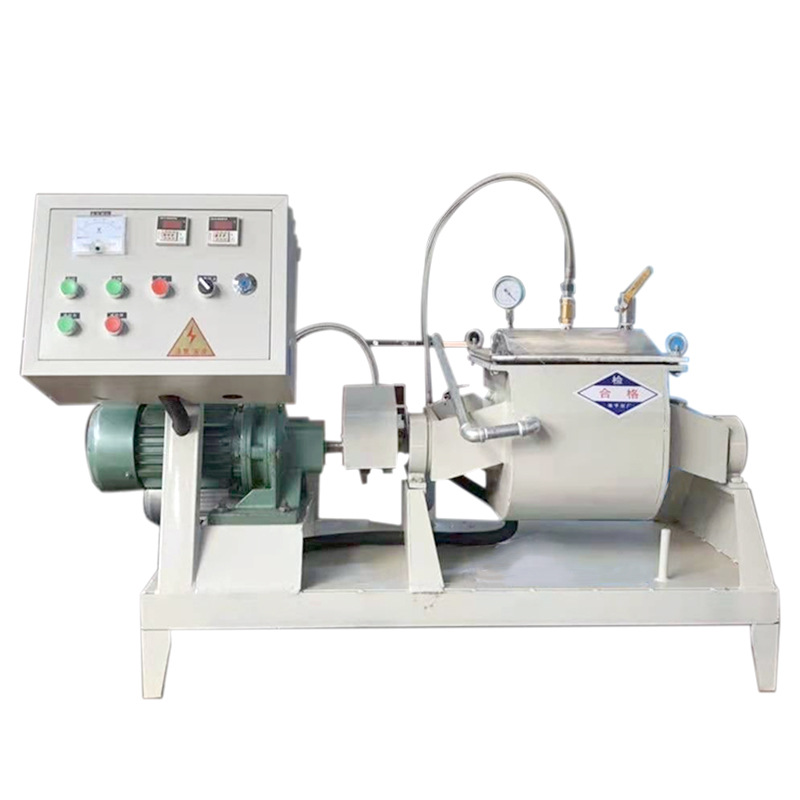
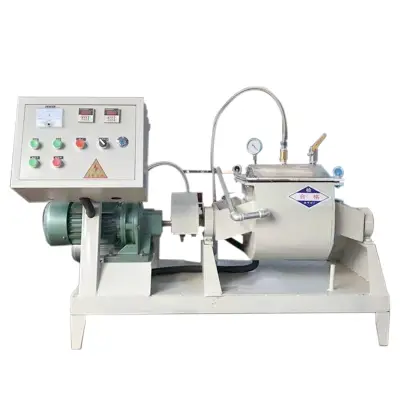
At its core, a vacuum kneading machine is a professional mixing and kneading device designed specifically for high-viscosity, elastoplastic, and paste-like materials. Industries such as silicone rubber manufacturing, sealant production, adhesive processing, and chemical engineering use it to uniformly mix, disperse, and de-gas materials that are otherwise difficult to process with standard mixers. By combining powerful mechanical shearing with a vacuum environment, the vacuum kneading machine transforms sticky raw materials into homogeneous, bubble-free compounds essential for high-performance products.
Core Function and Working Principle
How It Converts Raw Materials
A vacuum kneading machine takes bulk or pre-mixed materials with viscosities ranging from 10,000 to 10,000,000 cps and processes them into a uniform, densified, and degassed final product. The key transformation involves: intensive kneading of the material by two counter-rotating sigma-shaped (Σ) or Z-shaped blades, combined with vacuum de-aeration to remove entrapped air and volatiles.
Core Mechanism
The machine consists of a mixing trough with two parallel blades that rotate at different speeds. This differential speed creates intense shear forces that rip, fold, stretch, and recombine the material, ensuring thorough dispersion of additives and fillers. Simultaneously, a vacuum system (capable of reaching -0.098 MPa or higher) pulls out bubbles and gases from the material, preventing oxidation and improving the final product's density and mechanical properties. The entire process can be conducted at controlled temperatures using a jacketed trough for heating or cooling, offering precise thermal management.
Critical Process Parameters
- Vacuum level: Higher vacuum (e.g., -0.098 MPa) ensures better bubble removal and product uniformity.
- Blade speed and ratio: Optimized differential speed enhances shearing efficiency.
- Temperature control: Heating (steam/oil) or cooling (water) avoids unwanted curing or degradation.
- Mixing time: Typically 20-60 minutes depending on material and batch size.
Main Types and Core Components
Types Based on Configuration
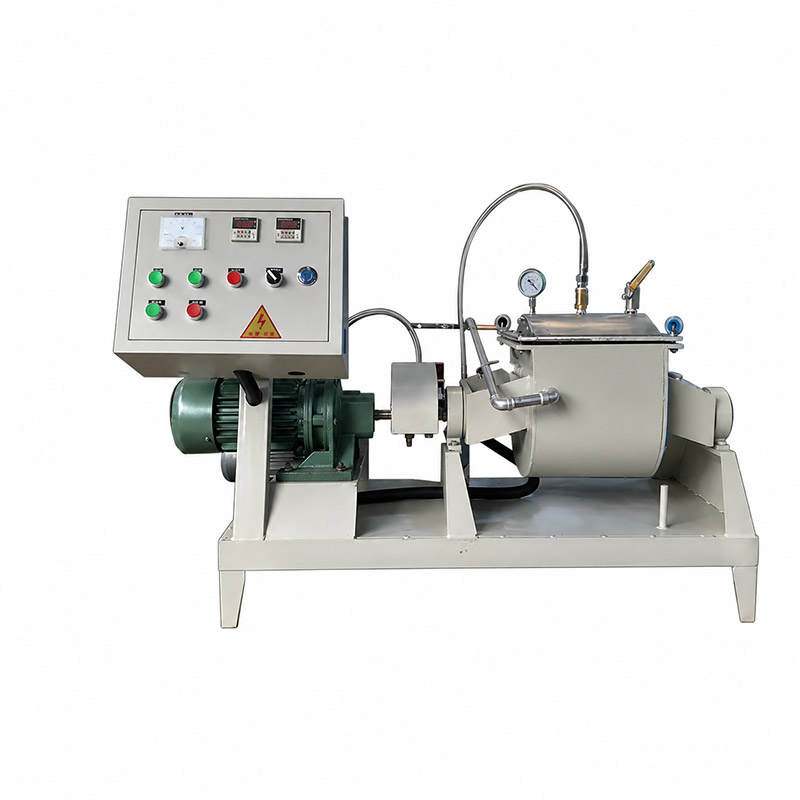
Vacuum kneading machines can be classified into several types according to their blade design and tilting/discharge mechanisms:
- Standard Σ-blade kneader: Most common for general high-viscosity mixing, offering excellent shear and folding action.
- Z-blade kneader: Suited for very high-viscosity (up to 10 million cps) materials like silicone rubber base compounds.
- Dispersion blade kneader: Incorporates specialized blades for faster dispersion of fine fillers.
Core Components
Regardless of type, every vacuum kneading machine includes these key parts:
- Mixing trough: Stainless steel or carbon steel with a polished interior, often jacketed for temperature control.
- Blade system: Two counter-rotating sigma or Z blades, driven by independent motors or a gear system.
- Vacuum system: Consists of a vacuum pump, valves, and a sealed cover to maintain vacuum during operation.
- Discharge mechanism: Options include hydraulic tilting (for dumping the entire trough), ball valve bottom discharge, or screw extrusion.
- Control system: Touchscreen PLC with programmable parameters for time, temperature, speed, and vacuum.
Key Performance Indicators and Selection Criteria
Processing Capacity and Throughput
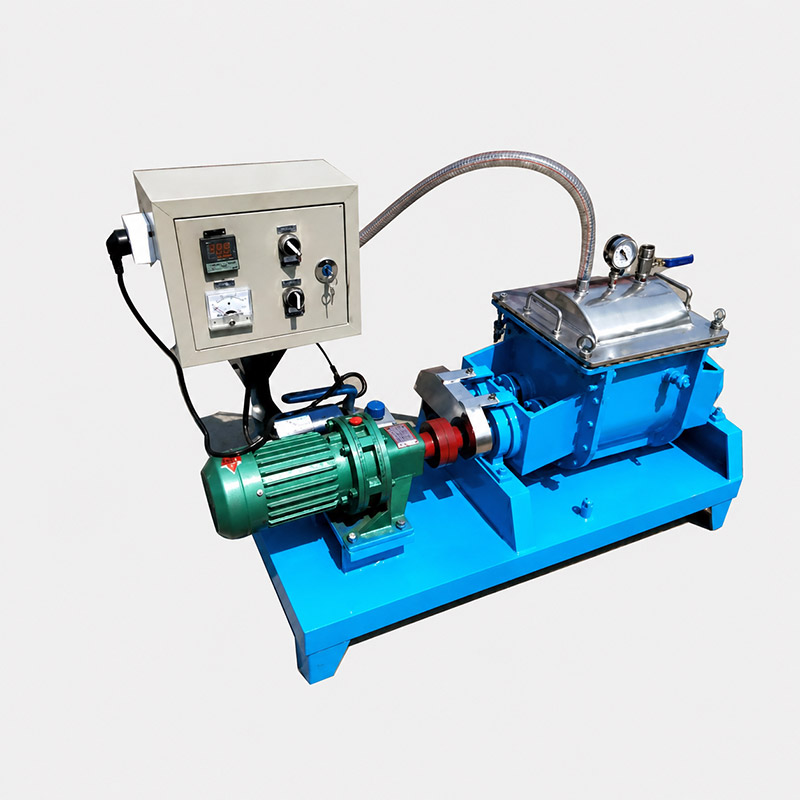
Capacity typically ranges from 5 liters (laboratory scale) to 6,000 liters (production scale). For pilot plants, 50-300 L machines are common; for mass production, 1,000 L or larger may be required.
Precision and Homogeneity
Look for dispersing uniformity – a good vacuum kneader should achieve a consistent color and viscosity throughout the batch. The vacuum sealing system's reliability directly affects product quality.
Energy Efficiency
Power consumption varies with blade design and motor efficiency. Machines with optimized blade profiles can reduce mixing time by 15-30%, saving energy.
Automation and Programmability
Modern vacuum kneading machines offer PLC touchscreen control with recipe storage, automatic vacuum control, and data logging. This greatly improves repeatability and reduces operator error.
Ease of Maintenance
Check for easy access to the blade seals, discharge valve, and vacuum pump. Quick-release clamps for the cover and CIP (clean-in-place) capabilities are advantageous.
Application Fields and Selection Advice
Industries Served
Vacuum kneading machines are indispensable in:
- Silicone rubber & sealant manufacturing: Base compound preparation, color masterbatch, and RTV adhesive mixing.
- Chemical engineering: High-viscosity paints, inks, and coatings that require de-aeration.
- Food & pharmaceuticals: Chewing gum base, dental impression materials, and medical adhesives.
- Electronics: Thermally conductive pastes, potting compounds, and electronic encapsulants.
Selection Suggestions
For laboratory R&D, a 5-20 L vacuum kneader with full temperature and speed control is ideal. For small batch production (50-200 L), a compact hydraulic tilting model offers flexibility. For large-scale continuous manufacturing (500 L+), consider a double-arm kneader with screw extrusion discharge to minimize operator intervention. Always verify that the manufacturer can provide customized blade designs for your specific material viscosity.
References
Related Products
Get In Touch
Our professional team will reply to you within one business day. Please feel free to contact us!