

What Is a Small Shredder? A Compact Machine for Small-Batch Material Reduction
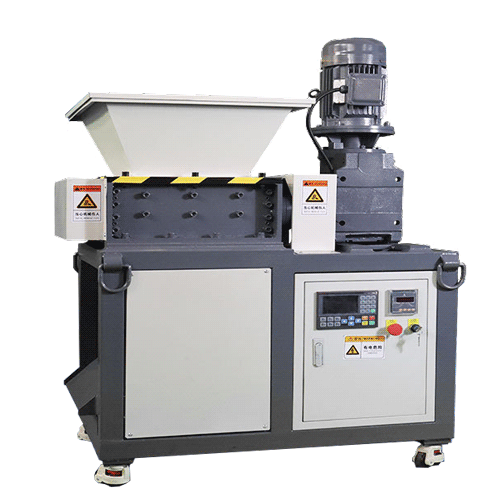
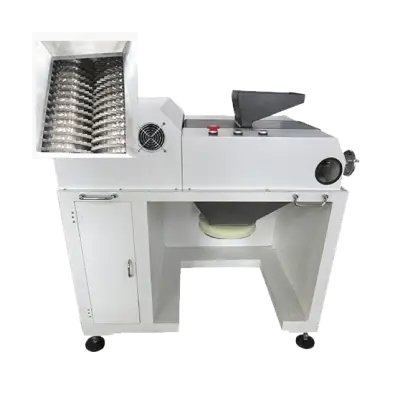
From its core, a small shredder is a compact size-reduction machine used to cut, tear, or shear small batches of material into smaller pieces. It is not a high-volume production crusher; it is a practical tool for laboratories, workshops, and pilot lines where space, sample control, and easy handling matter. The Small shredder in the Broken series is an example of this equipment category.
Core Function and Working Principle
A small shredder converts bulky or irregular feed into a more manageable output through mechanical cutting and shearing. Material enters through a hopper or inlet and is captured between rotating cutters, blades, or a rotor and fixed counter-blades. The resulting action reduces piece size and can also open agglomerates or prepare samples for the next process.
The key is controlled size reduction rather than impact crushing. The clearance between cutting elements, rotor speed, feed rate, and discharge configuration all influence final piece size and throughput. Feeding too fast can overload the unit; feeding pieces that are too hard or too large for the inlet can cause jams. For this reason, small shredders are often chosen when users need a compact, accessible way to pre-process small quantities before grinding, mixing, or analysis.
Common Configurations and Components
Cutting chamber and blades
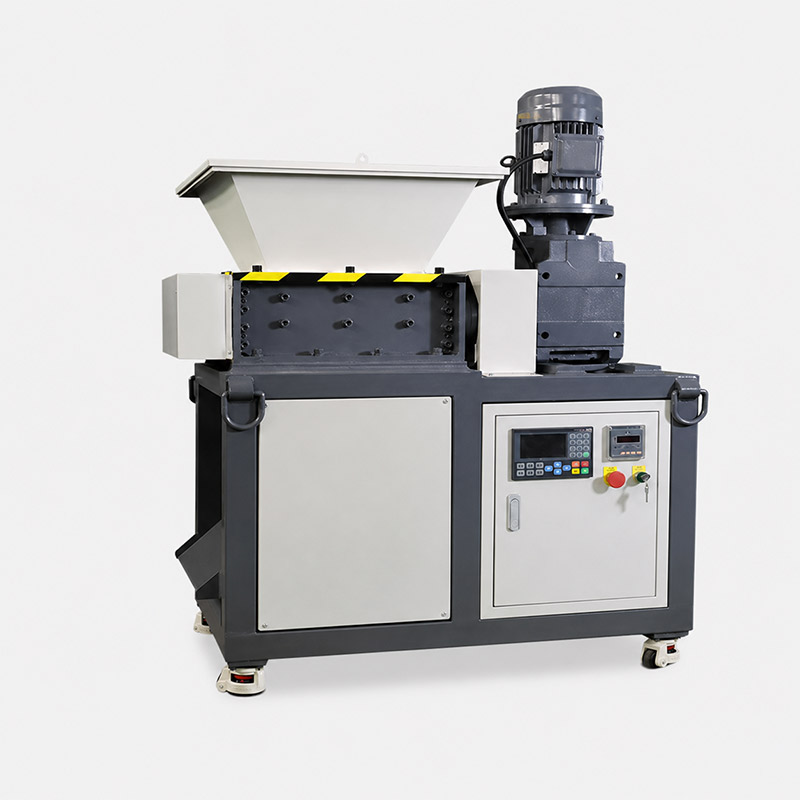
The cutting chamber is the working heart. It houses the rotating blade or rotor and usually a fixed blade that creates shear. Blade geometry, gap adjustment, and material of construction determine how cleanly the feed is cut and how easy cleaning will be.
Feed hopper and discharge
The hopper guides material into the cutting zone safely, while the discharge area collects the reduced product. A well-designed small shredder should allow quick access for inspection and cleaning between samples.
Drive and controls
Compact shredders use an electric drive and may offer simple on/off control or variable speed. For laboratory work, easy cleaning and reproducible feeding are often more important than maximum power.
Key Performance Factors and Selection Points
When comparing small shredders, start with the actual feed: piece size, hardness, toughness, moisture, and batch size. Check whether the inlet opening and cutting action suit the material. Throughput should be matched to the batch, not simply maximized; a smaller unit with good control may be better than an oversized machine.
Also review output control, blade access, cleaning time, noise, dust containment, and spare-part availability. If the material is abrasive or corrosive, confirm the contact materials. If samples must be traceable, prioritize units that are easy to disassemble and clean.
Applications and Selection Advice
Small shredders fit laboratories, quality-control rooms, small workshops, recycling studies, and pilot plants. They are useful for preparing small batches of plastics, rubber, fibrous material, or other feed that needs to be reduced before grinding or mixing. Choose a simple manual-feed unit for occasional sample work; choose a more controlled model when repeatability matters. Always verify the material and batch size against the supplier’s information rather than relying on a generic capacity claim.
Practical Buying Checklist
- Confirm the feed size and material type with the supplier.
- Ask how the cutting gap and discharge are adjusted.
- Check cleaning access and blade replacement.
- Match batch size to realistic operating time.
- Review safety guards, dust control, and electrical requirements.
For the exact Small shredder configuration, see the Small shredder product page.
Related Products
Get In Touch
Our professional team will reply to you within one business day. Please feel free to contact us!