

What Is a Plastic Crusher? A Size-Reduction Machine for Plastic Waste Recycling
What Is a Plastic Crusher?
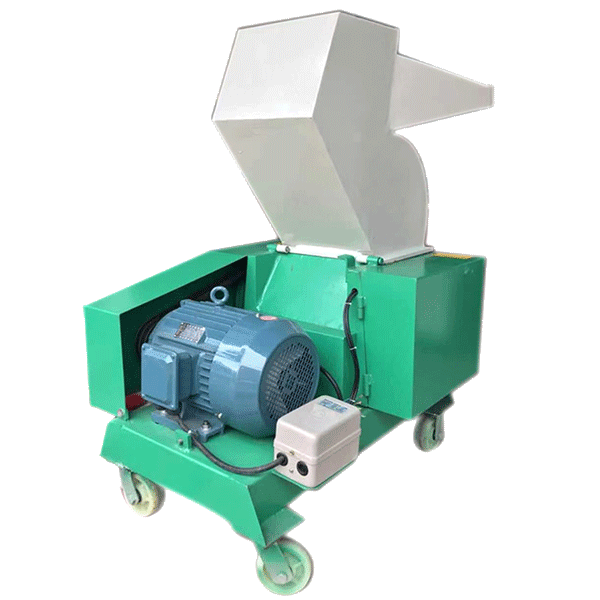
From the core, a plastic crusher is a size-reduction machine used to turn bulky plastic scrap into smaller, more uniform pieces. Recycling lines, manufacturing plants, and waste-processing facilities use it to prepare plastic waste for washing, sorting, granulation, or reuse. It usually works at the coarse-to-medium reduction stage: it accepts rejected parts, runners, bottles, sheet trim, or packaging film and breaks them into flakes, chips, or small fragments. The output is not a finished powder; it is a prepared feedstock for the next step.
Core Function and Working Principle
From Scrap to Granules
Plastic scrap enters a hopper and falls into a crushing chamber. Rotating blades, fixed blades, or a rotor-and-stator arrangement apply shear, impact, and cutting forces. The plastic is repeatedly cut and split until the pieces pass through a screen or discharge opening. The screen controls the maximum particle size: a smaller opening gives finer output but reduces throughput and increases drive load; a larger opening gives higher capacity and coarser flakes.
Key Process Parameters
Rotor speed affects cutting frequency and the balance between shear and impact. Blade geometry and clearance influence cut quality and energy use. Feed size and feed rate determine whether the chamber runs smoothly or becomes overloaded. Plastic type also matters: rigid, brittle plastics behave differently from soft, tough, or film materials. For any specific model, check the product page for confirmed technical details.
Core Components and Key Technologies
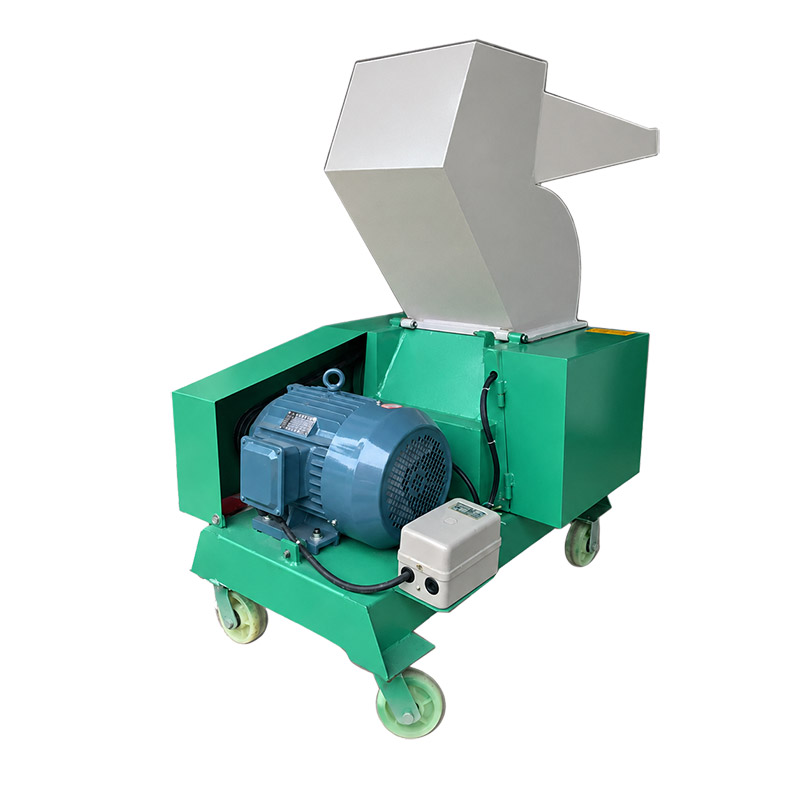
A plastic crusher is built around a feed hopper, crushing chamber, rotor or blade assembly, fixed counter-blades, screen, discharge outlet, and drive unit. The hopper guides material into the cutting zone. The rotor carries moving blades and provides mechanical energy, while fixed blades create the shearing gap. The screen and discharge system determine output size and material flow. Guards, emergency stops, and accessible service points support safe operation. Regular inspection of blades and screens is important because scrap can contain dust or foreign objects.
Key Performance Indicators and Selection Points
Buyers should first compare intended feed and output. Capacity should match actual waste volume, not only a peak figure. Output size range must fit the next process. Motor power and rotor design indicate available cutting force, while screen options show particle-size flexibility. Energy efficiency, noise, dust control, and maintenance access also matter. Easy opening and cleaning reduce downtime, and replaceable blades and screens lower long-term upkeep.
Applications and Selection Advice
Plastic crushers are used in recycling collection, packaging recovery, injection molding, extrusion, blow molding, and general manufacturing waste handling. They prepare bottles, containers, runners, trim, and rejected parts for further processing. A compact model may suit a small workshop; a continuous recycling line usually needs a larger unit with steady feed and reliable discharge. Before choosing, confirm plastic types, largest feed size, target output size, and floor space. Review the plastic crusher product information for the manufacturer’s stated configuration. A careful match between material, screen, and drive size gives more consistent results than motor power alone.
Related Products
Get In Touch
Our professional team will reply to you within one business day. Please feel free to contact us!