

What Is a Jaw Crusher? A Primary Crushing Machine for Coarse Size Reduction
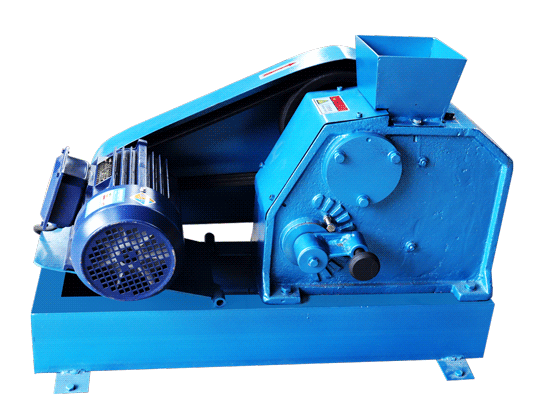
From the core, a jaw crusher is a primary crushing machine that reduces large, hard, or abrasive feed materials into smaller pieces by compressing material between a fixed jaw and a moving jaw. Mining, quarrying, aggregate production, metallurgy, ceramics, glass, and laboratory sample preparation use it to turn coarse feed into a manageable size for the next processing stage. It is often the first machine in a size-reduction circuit because it can accept relatively large feed and prepare material for secondary crushing, grinding, screening, or analysis.
What a Jaw Crusher Does in a Size-Reduction Circuit
A size-reduction circuit rarely moves from coarse feed to fine product in one step. Each stage has a defined job. The jaw crusher's job is coarse reduction: it breaks oversize lumps into a product with a controlled top size, so downstream equipment receives a more uniform feed. In many plants, this first step protects crushers, mills, and screens from excessive wear and blockage while improving handling and conveying.
The machine is not intended to produce fine powder. Its value is in creating a reliable first reduction stage. If the final product must be a fine powder, a jaw crusher may be followed by a cone crusher, roll crusher, hammer mill, ball mill, or another fine-grinding device. If the goal is laboratory analysis, a smaller jaw crusher can reduce a sample to a size suitable for splitting and further milling. The right choice depends on the entire flowsheet, not only the crusher itself.
A jaw crusher is also a robust solution for materials that are difficult to handle in fine-grinding equipment. It tolerates dusty, blocky, and abrasive feed better than many precision mills, provided the feed is within the machine's accepted size range. That is why it appears in primary stations, sampling rooms, and pilot plants where reliability and simple operation matter.
How the Crushing Action Works
The basic mechanism is compression. Material enters the crushing chamber from the top, falls between two jaw plates, and is squeezed when the moving jaw advances toward the fixed jaw. The fixed jaw remains stationary, while the movable jaw swings or reciprocates through an eccentric shaft and toggle mechanism. When the jaws close, particles are crushed; when they open, crushed material moves downward and eventually exits through the discharge opening.
From Feed Opening to Discharge
The feed opening defines what can enter the chamber. Material must be small enough to pass between the jaws at the top and stable enough not to bridge or float. Once inside, the material is reduced progressively as it travels downward. The discharge opening at the bottom determines the approximate top size of the product. The relationship between feed opening and discharge opening is central to jaw crusher selection because a very large reduction in one pass may require a larger machine or multiple stages.
The Moving Jaw, Fixed Jaw, and Crushing Chamber
The crushing chamber is formed by the fixed jaw, the moving jaw, and side liners. Jaw plates are usually profiled with teeth or corrugations that grip the material and concentrate force at contact points. This profile helps prevent slippage and improves biting action, especially with hard or rounded rock. The chamber shape also affects the way material descends; a well-designed chamber keeps the feed moving without excessive compaction and allows the product to leave freely.
Stroke, Speed, and the Discharge Setting
The eccentric drive produces a cyclic motion. The horizontal and vertical components of that motion influence throughput, nip angle, and wear. A larger stroke can improve biting and production in some applications but may increase stress and power demand. Rotational speed affects how often the jaw opens and closes. The closed-side setting, usually adjusted by shims, wedges, or hydraulic systems, controls product size. Operators should adjust the setting only within the manufacturer's permitted range and recheck it after wear or maintenance.
Why the Crushing Chamber Shape Matters
Chamber geometry affects the nip angle, which is the angle between the jaw plates. If the angle is too steep, material may slip instead of being gripped; if it is too shallow, throughput can suffer. Chamber design is therefore a balance among feed acceptance, reduction performance, wear life, and power consumption. This is one reason two crushers with similar feed openings may behave differently on the same rock.
Main Types and Configurations
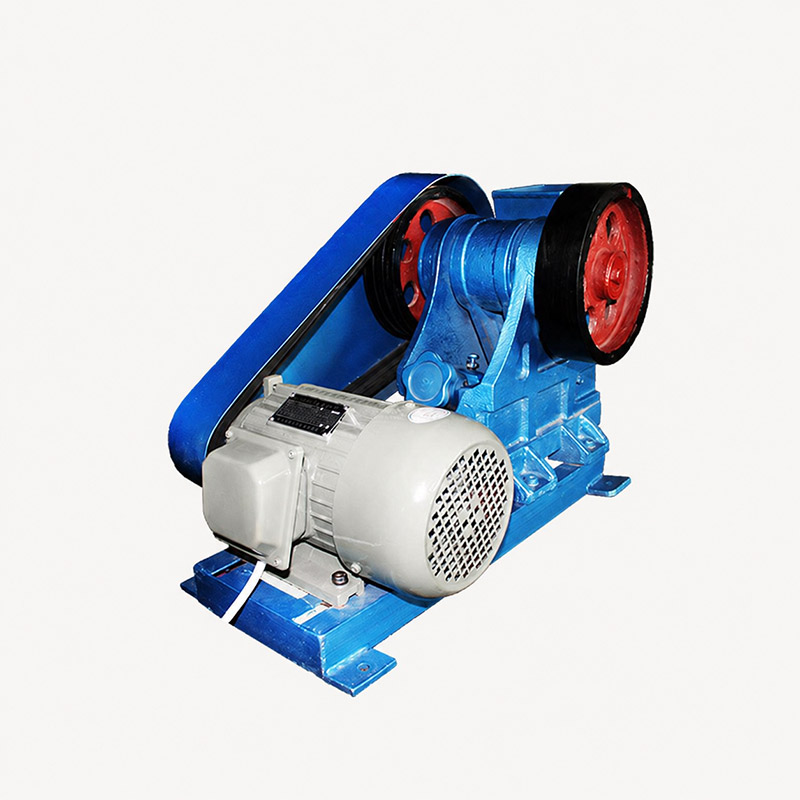
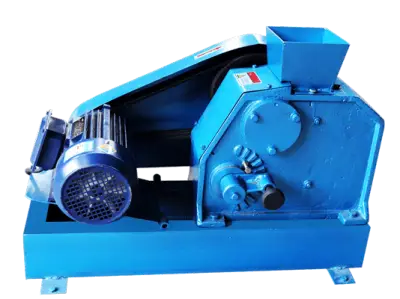
For the product referenced in this guide, see the Jaw crusher product page. Jaw crushers are available in several mechanical arrangements, and the names often describe the linkage or the intended duty. The most familiar distinction is between single-toggle and double-toggle designs. A second practical distinction is between compact laboratory units and heavier production frames. These categories overlap, but they help buyers ask the right questions.
Single-Toggle Jaw Crushers
In a single-toggle design, one toggle plate connects the moving jaw assembly to the frame, and the motion is generated by an eccentric shaft. These crushers are common in aggregate and mining duties because they combine a relatively simple structure with strong crushing action. They can be compact for their feed opening, but the wear parts and toggle components must be matched to the duty.
Double-Toggle Jaw Crushers
A double-toggle arrangement uses two toggle plates to control jaw motion. The moving jaw moves more directly and with a different stroke pattern, which can suit hard, abrasive feed and applications where a more controlled crushing action is valued. The linkage is more complex, so maintenance access and spare-part planning deserve attention. The best choice is not universal; it depends on material, duty, and service support.
Laboratory and Production-Oriented Configurations
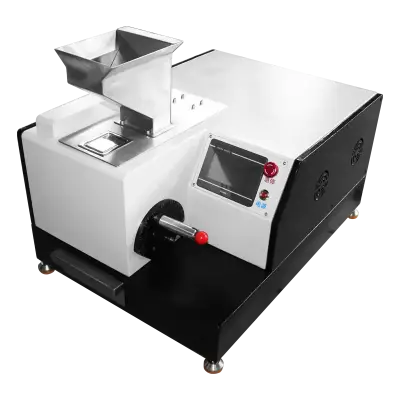
Laboratory jaw crushers prioritize clean sample handling, accessible chambers, and manageable size. Production units prioritize throughput, structural strength, wear life, and continuous duty. A small machine can be ideal for sample preparation but unsuitable for a production plant, while a large primary crusher may be unnecessary and difficult to clean in a laboratory. Buyers should match the frame class, drive power, and chamber design to the real workload.
Core Components and What They Do
A jaw crusher is mechanically straightforward, but each component has a specific role in safety, adjustment, or wear control. Understanding these parts makes specification and maintenance easier.
- Frame: Carries the crushing forces and aligns the fixed and moving jaw assemblies. A rigid frame helps maintain the discharge setting under load.
- Eccentric shaft and bearings: Convert rotational drive into jaw motion. Proper lubrication and bearing protection are essential for long service life.
- Flywheel and drive: Store kinetic energy and smooth the cyclic load. Guards and correct belt tension are part of safe operation.
- Jaw plates: Wear parts that contact the material. Profile, alloy, and fit affect biting, product size, and replacement frequency.
- Side liners: Protect the chamber walls from abrasion and help maintain chamber geometry.
- Toggle plate: Transmits force and can act as a sacrificial or safety-related element in some designs. It should be replaced as specified, not repaired casually.
- Adjustment mechanism: Changes the discharge opening. Shims, wedges, or hydraulic adjustment should be used within the permitted range.
- Dust control and guards: Reduce exposure to dust, pinch points, and moving parts. They are part of the machine's safe operating envelope.
Selection should consider not only the headline component but also how easily each part can be inspected and replaced. A crusher that is difficult to clean or adjust can lose more production time than its nominal throughput suggests.
Key Performance Indicators and Selection Points
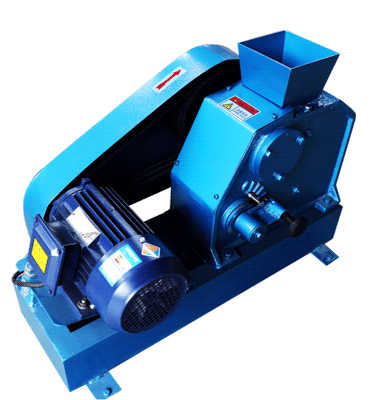
Jaw crusher selection is a matching exercise. The largest feed lump, required product size, hourly throughput, material hardness, abrasiveness, moisture, and duty cycle all interact. A specification that looks adequate on one line may be marginal when the material is tougher or the schedule is continuous.
Feed Size and Reduction Ratio
The feed opening must accept the expected top-size lumps, with a margin for variability. Reduction ratio describes how far the feed is reduced in one pass. A jaw crusher can perform coarse reduction, but a single stage cannot make any feed size into any product size without limits. If the required reduction is large, a multi-stage flowsheet may be more reliable and economical than forcing one crusher beyond its practical range.
Capacity and Duty Cycle
Capacity should be evaluated at the target discharge setting and for the actual material, not only for an easy reference rock. Continuous primary duty, intermittent laboratory work, and mobile operation impose different demands on the frame, drive, and wear parts. Buyers should ask whether the quoted duty matches the real schedule and whether surge loads have been considered.
Product Size and Adjustment Range
The discharge setting controls the product's approximate top size, but it does not guarantee a narrow particle-size distribution. Fines and elongated particles can be produced, and downstream screening may be needed. A practical adjustment range, good access, and a reliable locking system are often more useful than a single claimed setting.
Material Properties and Wear Life
Hardness, abrasiveness, toughness, and moisture all affect performance. Abrasive rock accelerates jaw plate wear and can change the effective crushing chamber over time. Tough or slabby material may need a different chamber profile or feed arrangement. Moist, sticky feed can bridge or pack, so the feeding method and chamber access should be considered early.
Power, Efficiency, and Automation
Installed power should be sufficient for the intended duty without encouraging overspecification. Efficiency is not only energy per ton; it also includes uptime, wear cost, and the quality of the downstream feed. Automation can support controlled feeding, monitoring, and shutdown protection, but basic mechanical condition and operator training remain essential.
Maintenance Access and Safety
Check whether jaw plates, liners, and toggle components can be handled safely with available lifting equipment. Look for guarded drives, inspection points, and a clear adjustment procedure. A crusher that is hard to inspect may develop hidden wear. Maintenance planning should include spare-part availability and the skills required for correct reassembly.
Applications and Selection Advice
Jaw crushers are used wherever coarse material must be reduced reliably. The common thread is a need for a robust first stage rather than fine grinding. The application determines whether the priority is capacity, sample integrity, mobility, or wear resistance.
Mining, Quarrying, and Aggregates
In mining and quarrying, jaw crushers prepare run-of-mine or blasted rock for secondary crushing and screening. In aggregate plants, they reduce large stone to a size that can be screened and shaped by downstream equipment. The key selection points are feed lump size, abrasiveness, required tonnage, and the ability to feed the crusher evenly.
Metallurgy, Coal, and Industrial Minerals
These duties may involve coke, slag, ores, or industrial minerals with variable properties. A jaw crusher can provide a robust reduction step, but wear parts and chamber design must suit the specific material. Sticky or heat-sensitive feed may require special attention to feeding and cleaning.
Ceramics, Glass, and Laboratory Sample Preparation
In ceramics, glass, and laboratories, the goal may be representative size reduction before milling or analysis. Smaller jaw crushers can be useful when the sample must be reduced without excessive contamination from wear. Cleaning between samples, dust containment, and access to the chamber become important selection criteria.
Construction and Recycling
Reclaimed concrete, rubble, and some industrial by-products can be reduced in jaw crushers when the feed is controlled and unsuitable items are removed. Reinforcement, tramp metal, and oversized pieces should be kept out of the chamber. In these applications, inspection and removal of blockages are part of routine operation.
For a laboratory, prioritize a compact, cleanable unit and a realistic sample size. For a quarry or mine, prioritize feed acceptance, continuous duty, wear life, and service support. For a mobile or temporary site, consider weight, power supply, and transport. In every case, compare the whole circuit rather than a single capacity figure.
Installation, Operation, and Maintenance Essentials
Correct installation starts with a suitable foundation or mounting structure, alignment, and sufficient access for inspection. The feed arrangement should deliver material evenly across the chamber; dumping feed in surges can reduce throughput and increase wear. The discharge conveyor must be able to remove the product without backing up into the crusher.
During operation, the operator should watch for abnormal noise, vibration, loose fasteners, belt slip, and changes in product size. A sudden change in discharge setting may indicate wear or a mechanical issue. The chamber should be cleared only after the drive is isolated and the stored energy is released according to the manufacturer's procedure.
Maintenance includes checking jaw plates, side liners, toggle components, bearings, lubrication, and guards. Rotate or replace wear parts before the chamber geometry is badly affected. Keep records of settings and wear so that adjustments are based on data rather than guesswork.
Safety is not an accessory. Jaw crushers contain heavy moving parts, stored energy, and dust. Guards, isolation procedures, dust control, and trained personnel are essential. Production pressure should never override lockout, inspection, or blockage-clearing rules.
Frequently Asked Questions
Can a jaw crusher produce fine powder?
Generally, no. It is a coarse-reduction machine. Fine powder production usually requires milling or fine grinding after the jaw crusher. A jaw crusher can prepare feed for a mill, but it should not be expected to deliver a powder product on its own.
Does a larger jaw crusher always give more capacity?
Not automatically. Capacity depends on the discharge setting, material, feed arrangement, drive, and duty. A larger machine may have a larger opening, but poor feeding or a mismatched setting can still limit output. Selection should use realistic material data.
How do I choose between laboratory and production units?
Match the machine to sample size, cleaning needs, and duty. Laboratory work values access and sample handling; production values structural strength, uptime, and wear life. A small production crusher is not necessarily a good laboratory crusher, and a laboratory crusher should not be pushed into continuous plant duty.
What information should I provide to a supplier?
Provide the material type, top feed size, desired product size, required throughput, moisture and abrasiveness, duty schedule, power supply, and site restrictions. If available, include a sample test or previous operating data. These details matter more than a single headline number.
How to Evaluate a Jaw Crusher for a Specific Project
Start with the material. A rock that is hard and abrasive behaves differently from a soft, brittle material. Ask for wear-part recommendations and realistic maintenance intervals. Next, define the target product and the downstream process; the crusher must fit the circuit, not stand alone. Then check the feed method, discharge handling, and space around the machine.
Compare offers on total cost of ownership: wear parts, power, downtime, lifting equipment, and service response. A cheaper unit can become expensive if jaw plates are hard to source or the adjustment system is slow. Finally, confirm that safety features, documentation, and training are included. These are practical selection criteria, not extras.
For product-specific information, refer to the Jaw crusher product page and confirm the final configuration with the supplier. The page is the appropriate starting point for the machine referenced in this guide, while the application data should come from the actual material and process.
Conclusion
A jaw crusher is a primary crushing machine for coarse size reduction. It uses compressive force between a fixed jaw and a moving jaw to turn large feed into a more manageable product for secondary crushing, milling, screening, or analysis. The best choice depends on feed size, material properties, required product size, throughput, duty cycle, maintenance access, and the full process flowsheet.
Related Products
Get In Touch
Our professional team will reply to you within one business day. Please feel free to contact us!