
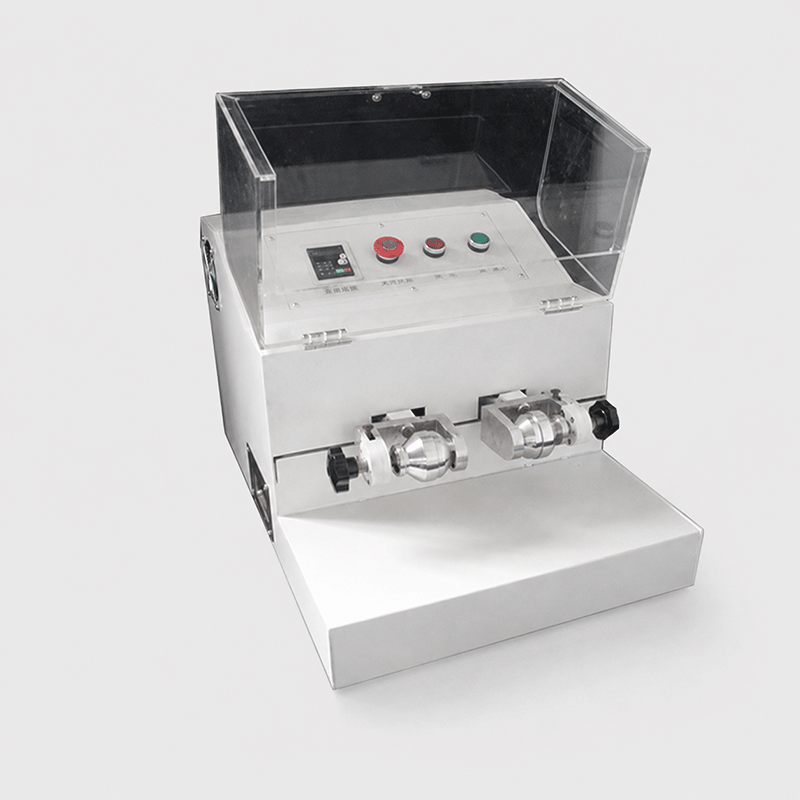
What is a High Throughput Tissue Grinder? A High-Efficiency Milling Device for Rapid Homogenization of Biological Samples

Introduction
At its core, a high throughput tissue grinder is a specialized laboratory device designed to rapidly and efficiently homogenize biological tissues, cells, and other soft to medium-hard samples. Researchers in fields such as genomics, proteomics, pharmaceuticals, and diagnostics use it to break down complex biological materials into a fine, uniform slurry, enabling downstream applications like nucleic acid extraction, protein analysis, and metabolite profiling. Unlike traditional manual grinding or low-throughput methods, this equipment can process dozens to hundreds of samples simultaneously in a matter of minutes, dramatically increasing productivity while maintaining sample integrity.
Core Function and Working Principle
The primary function of a high throughput tissue grinder is to convert solid biological tissues—such as plant leaves, animal organs, or seeds—into a homogeneous liquid or fine powder suitable for further analysis. The device achieves this through a combination of mechanical impact and shear forces. Most models employ a vertical or horizontal oscillating motion that drives grinding beads (typically made of stainless steel, zirconia, or ceramic) within sealed tubes or plates. As the beads collide with the sample at high frequencies, they pulverize cell walls, membranes, and connective tissues, releasing intracellular contents.
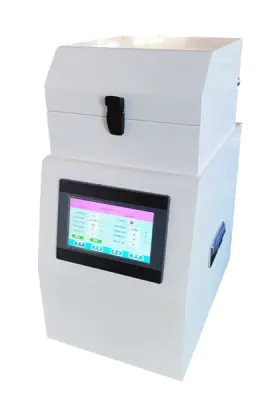
Key parameters that influence the final result include oscillation frequency, amplitude, grinding time, bead size and material, and the ratio of sample to buffer. For example, harder tissues like bone or cartilage may require larger beads or longer grinding cycles, while soft tissues like liver or brain can be processed quickly with smaller beads. The ability to precisely control these parameters ensures reproducible results across batches, a critical requirement for quantitative research. Many advanced grinders also feature touchscreen interfaces and programmable protocols, allowing users to save and recall optimized settings for different sample types.
Key Components and Technologies
High throughput tissue grinders consist of several essential components that work together to deliver consistent performance:
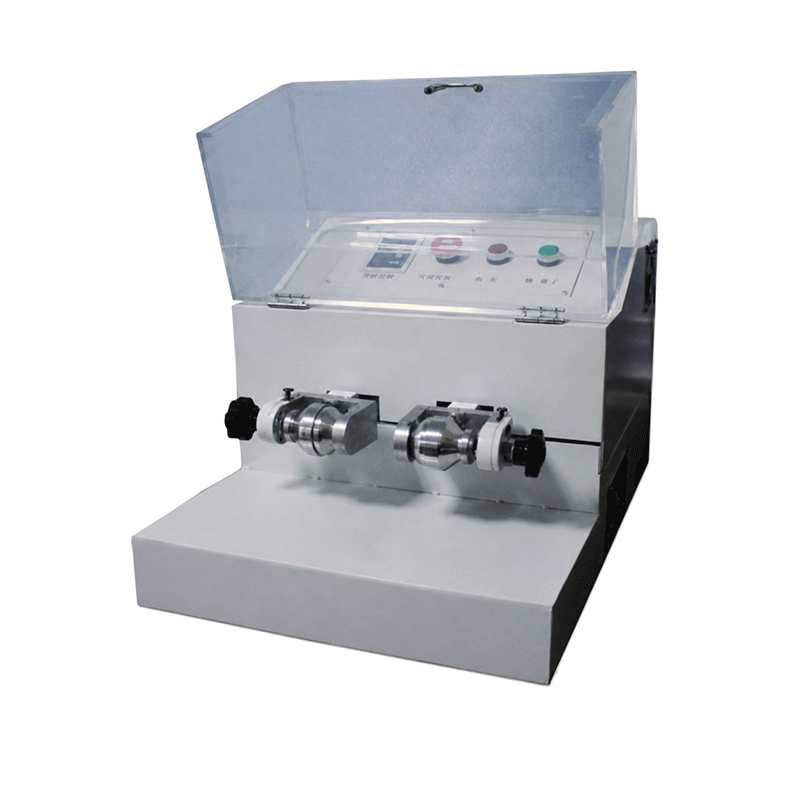
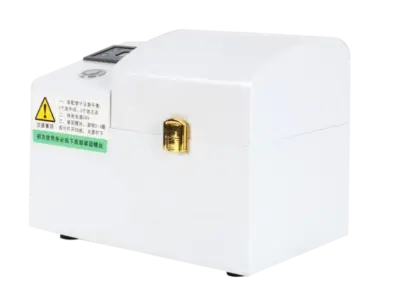
- Drive System: A powerful motor generates the oscillatory motion. Modern designs use vertical or three-dimensional (3D) vibration patterns to maximize bead-sample interaction. The high throughput tissue grinder from TENCAN utilizes a vertical up-and-down vibration mode, which provides higher kinetic energy compared to traditional horizontal shaking, resulting in faster and more complete homogenization.
- Clamp and Adapter System: To accommodate different sample volumes and formats, the grinder includes interchangeable adapters for 96-well deep-well plates, 0.5–50 mL centrifuge tubes, and custom containers. This flexibility allows users to process from a single tube to multiple plates without changing hardware.
- Sealed Grinding Chambers: To prevent cross-contamination and sample loss, all grinding occurs in sealed vessels. High-quality models feature airtight caps with O-rings that can withstand the mechanical stresses and even allow for cryogenic grinding with liquid nitrogen.
- Safety Features: Automatic lid-locking mechanisms and emergency stop functions ensure operator safety. Some grinders include a sensor that halts operation if the lid is opened, protecting users from flying debris or aerosols.
Key Performance Indicators and Selection Criteria
When choosing a high throughput tissue grinder, researchers should evaluate the following critical specifications:
- Throughput Capacity: The number of samples that can be processed per run. Entry-level models handle 24–48 samples, while high-end systems can process up to 192 or more (e.g., two 96-well plates). For labs with large-scale screening or genotyping projects, higher throughput directly translates to faster turnaround times.
- Final Particle Size: The degree of homogenization is often measured by the final particle size. Most grinders can achieve sub-micron to <5 μm particles, which is sufficient for DNA/RNA extraction. However, for applications requiring cell wall disruption (e.g., yeast or bacteria), finer grinding may be necessary.
- Sample Compatibility: The ability to handle a wide range of sample types—from soft plant tissues to hard animal bones—is crucial. Some grinders offer adjustable speed and time settings, while others may require different bead materials for optimal performance.
- Automation and Programmability: Advanced models with touchscreen interfaces and memory for multiple protocols reduce operator error and ensure reproducibility. Integration with LIMS (Laboratory Information Management Systems) can further streamline workflows.
- Maintenance and Durability: Look for robust construction, easy-to-clean surfaces, and readily available spare parts. Models with quick-release clamps and autoclavable components simplify cleaning and decontamination between runs.
Application Areas and Selection Recommendations
High throughput tissue grinders are indispensable in a variety of fields:
- Genomics and Molecular Biology: For rapid DNA/RNA extraction from plant, animal, and microbial samples. The grinder’s ability to process multiple samples in parallel is ideal for population genetics, clinical diagnostics, and forensic analysis.
- Proteomics and Metabolomics: Efficient cell lysis and protein solubilization are critical for downstream LC-MS or ELISA assays. The closed system minimizes degradation of labile biomolecules.
- Pharmaceutical and Biotech R&D: Used in drug discovery for compound screening, biomarker identification, and quality control of raw materials.
- Food Safety and Environmental Testing: Homogenization of food matrices, soil, and water filters for pesticide residue analysis or microbial detection.
For laboratories with moderate throughput needs (e.g., 20–50 samples per day), a compact multi-tube grinder (portable tissue grinder) may suffice. For high-throughput facilities (e.g., sequencing centers, contract research organizations), a large-capacity model with 192-well plate capability and programmable automation is recommended. Always consider the most common sample types and required particle size to choose the appropriate bead material and adapter configuration.
References
Related Products
Get In Touch
Our professional team will reply to you within one business day. Please feel free to contact us!