

What Is an Inner Lined Roll Ball Mill? A Versatile Grinding Mill for Fine Powder Processing in Laboratories
What Is an Inner Lined Roll Ball Mill?
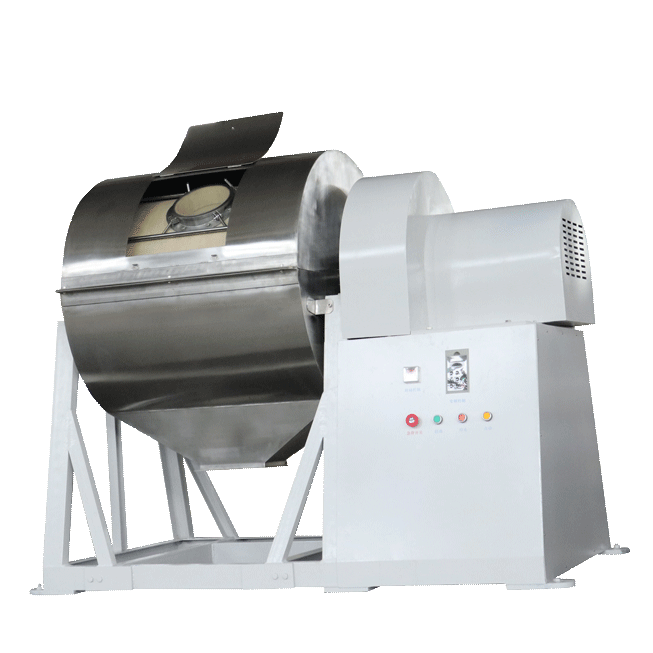
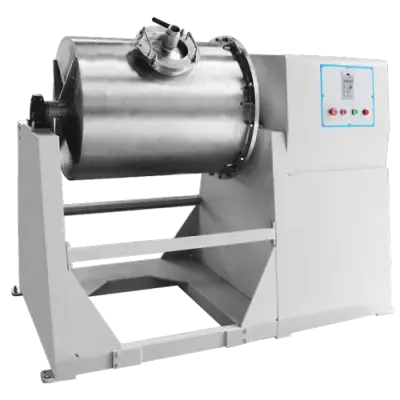
At its core, an inner lined roll ball mill is a specialized drum ball mill designed for fine grinding, mixing, and homogenization of solid materials in laboratory and small-scale production environments. It is a type of roll ball mill that features a durable inner lining to protect the drum and reduce contamination, making it ideal for processing a wide range of materials including ceramics, minerals, chemicals, and battery powders.
Core Function and Working Principle
The inner lined roll ball mill transforms coarse materials into fine powders through a combination of impact and attrition. The mill consists of a horizontally mounted rotating drum, which is driven by an electric motor. Inside the drum, a replaceable inner lining (often made of rubber, polyurethane, or ceramic) provides wear resistance and prevents metal contamination. The drum is partially filled with grinding media, such as steel balls, ceramic balls, or agate balls, along with the material to be ground.
As the drum rotates, the grinding media are lifted by the inner lining and then cascade down, crushing and shearing the material. The rotational speed is adjustable, allowing users to control the grinding intensity. A typical working cycle involves loading the material and media, setting the rotation time, and then collecting the fine powder after the process. The mill can operate in either batch or continuous mode depending on the design.
Key parameters affecting the final particle size include drum speed, grinding media size and material, media-to-material ratio, and grinding time. By optimizing these parameters, users can achieve particle sizes down to the micron or even sub-micron range.
Core Components and Key Technologies
While the inner lined roll ball mill is a single product type, its performance depends on several critical components:
1. Drum and Inner Lining
The drum is typically made of stainless steel or carbon steel. The inner lining material is chosen based on the application: rubber linings offer excellent wear resistance and noise reduction, polyurethane linings provide good chemical resistance, and ceramic linings ensure minimal contamination for high-purity grinding.
2. Drive System
Most models use a gear-driven or belt-driven system with a variable frequency drive (VFD) for precise speed control. The VFD allows smooth acceleration and deceleration, reducing mechanical stress and enabling speed optimization for different materials.
3. Safety and Control
Modern units come with a digital timer, emergency stop button, and overload protection. Some models include a programmable logic controller (PLC) for automated grinding cycles.
Key Performance Indicators and Selection Criteria
When selecting an inner lined roll ball mill, consider the following:
- Capacity and Drum Volume: Lab mills typically range from 0.5 L to 20 L. Choose a size that matches your batch volume.
- Rotational Speed Range: Look for a speed range that covers both low-speed mixing and high-speed grinding. Typical speeds are 30–300 rpm.
- Final Particle Size: The mill can achieve D50 of 1–10 microns for most materials. For ultra-fine grinding, consider using smaller media and longer times.
- Material Compatibility: Ensure the drum lining and grinding media are compatible with your material to avoid contamination. For example, use zirconia media for ceramic grinding.
- Noise Level: Roll ball mills are quieter than planetary ball mills, but rubber linings further reduce noise.
- Ease of Cleaning: Removable drums and smooth linings simplify cleaning between batches.
Application Areas and Selection Advice
The inner lined roll ball mill is widely used in:
- Material Research: Grinding of ceramics, glass, and composite materials.
- Battery Industry: Mixing and grinding of electrode active materials.
- Chemical and Pharmaceutical: Fine grinding of pigments, catalysts, and APIs.
- Mining and Geology: Sample preparation for mineral analysis.
For laboratories starting out, a small ball mill with a ceramic jar is a cost-effective option. For higher throughput, a large roll ball mill may be appropriate. The inner lined roll ball mill offers a balance of performance, durability, and contamination control, making it a versatile choice for most fine grinding applications.
References
Related Products
Get In Touch
Our professional team will reply to you within one business day. Please feel free to contact us!