
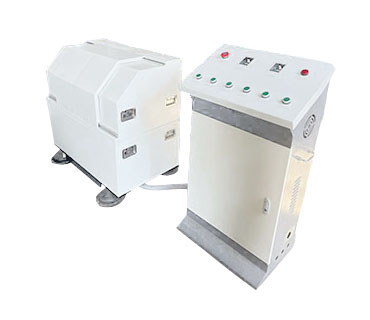
What is a Continuous Planetary Ball Mill? A High-Efficiency Grinding Equipment for Continuous Powder Production

What is a Continuous Planetary Ball Mill?
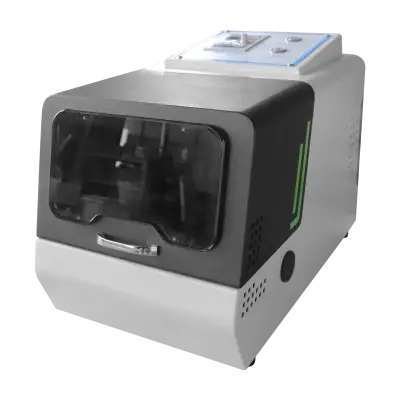
At its core, a continuous planetary ball mill is a professional grinding device designed for the continuous production of ultra-fine powders. It is widely used in industries such as materials science, ceramics, chemicals, and mining to transform raw materials from coarse particles into fine or even nano-scale powders through a continuous feed and discharge process. Unlike traditional batch planetary ball mills, the continuous version allows for uninterrupted operation, making it ideal for medium to large-scale production environments.
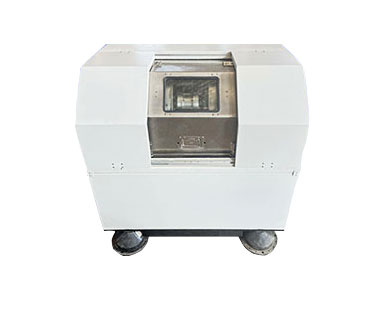
Core Working Principle
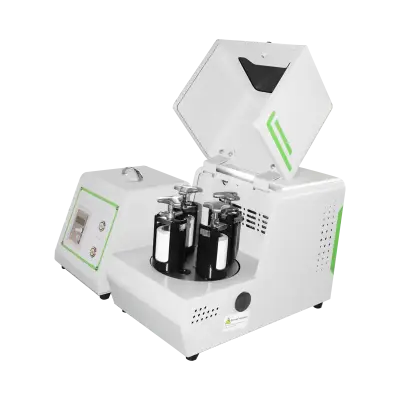
The continuous planetary ball mill operates on the same fundamental planetary motion as its batch counterpart but with an integrated continuous material handling system. The main disk (sun wheel) rotates, driving multiple grinding jars (planets) that simultaneously revolve around the central axis and rotate on their own axes. This compound motion generates powerful centrifugal and Coriolis forces, causing the grinding balls to collide, shear, and rub against the material and jar walls at high energy.
The key difference lies in the continuous feed and discharge mechanism. Material is fed into the grinding jars through a specially designed inlet, and after being ground to the desired fineness, it is continuously discharged through an outlet, often assisted by a classifier or sieve. This allows for a steady-state grinding process, where fresh material constantly enters and finished product exits, maximizing throughput and minimizing downtime.
Key Features and Advantages
Continuous Operation
Unlike batch mills that require stopping to load and unload, the continuous planetary ball mill runs uninterrupted, significantly increasing production efficiency. It is particularly suited for processes where consistent quality and high volume are required.
High Energy Efficiency
Due to the planetary motion, the grinding energy is concentrated in a small volume, achieving rapid particle size reduction. The continuous design also optimizes energy use by maintaining a constant load, reducing idle energy consumption.
Programmable Control
Modern continuous planetary ball mills feature microcomputer control systems that allow precise setting of rotation speed, operation time, forward/reverse cycles, and feeding rate. This enables reproducible grinding results and integration into automated production lines.
Vacuum and Inert Grinding Options
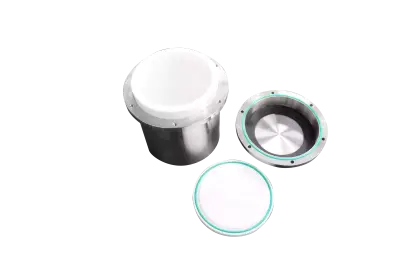
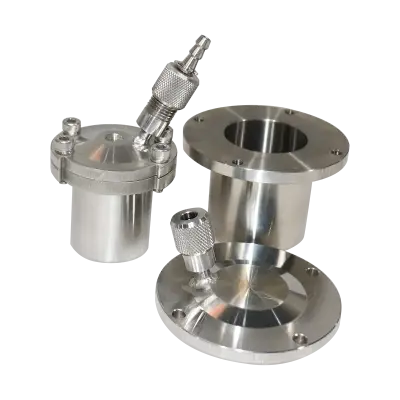
For oxidation-sensitive materials, the mill can be equipped with vacuum ball mill jars or inert gas protection, preventing contamination and degradation during grinding.
Performance Indicators and Selection Guide
When selecting a continuous planetary ball mill, consider the following key parameters:
- Throughput Capacity: Typically measured in kilograms per hour, the capacity depends on jar volume, rotation speed, and material properties. Continuous mills are available from laboratory scale (a few kg/h) to production scale (hundreds of kg/h).
- Final Particle Size: The mill can achieve particle sizes down to 0.1 micron (nano-scale) for many materials, but the actual result depends on grinding media, jar material, and processing time.
- Automation Level: Look for models with programmable controllers, touch screen interfaces, and data logging for process control and reproducibility.
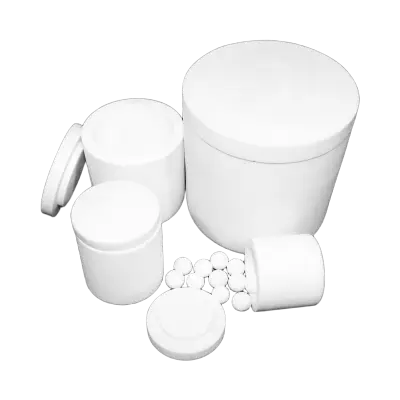
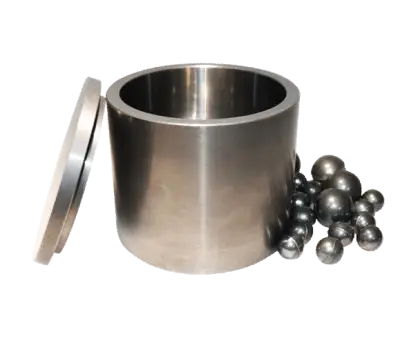
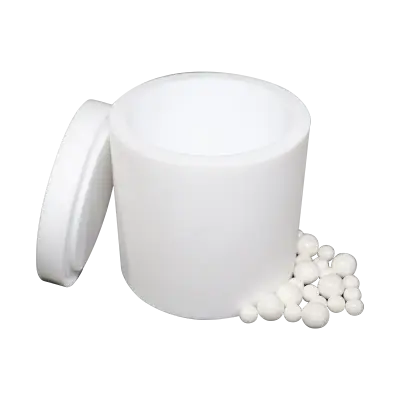
- Material Compatibility: Choose jar and grinding ball materials (e.g., stainless steel, zirconia, agate, tungsten carbide) that match the sample's chemical compatibility and target purity.
- Maintenance and Cleaning: Continuous mills with easy-access jars and sealing systems reduce downtime and simplify cleaning between batches.
Application Areas
Continuous planetary ball mills are used extensively in:
- Material Research and Development: For preparing nano-materials, catalysts, and advanced ceramics.
- Chemical Industry: For grinding pigments, dyes, and chemical reagents.
- Mining and Metallurgy: For fine grinding of ores, minerals, and metal powders.
- Pharmaceuticals: For micronizing active pharmaceutical ingredients (APIs).
- Electronics: For producing conductive pastes and semiconductor materials.
Selection Advice
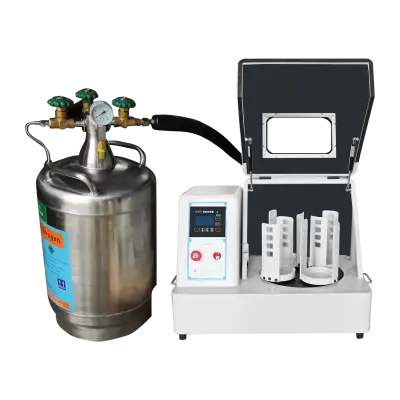
For users who need to produce small batches of high-value materials, a batch planetary ball mill may be more cost-effective. However, for continuous production requiring consistent quality and high throughput, a continuous planetary ball mill is the optimal choice. Consider the material's hardness, abrasiveness, and sensitivity to heat or oxygen when selecting jar materials and optional accessories like vacuum systems or liquid nitrogen cooling.
References
For more detailed specifications and product models, please visit the official product page: Continuous Planetary Ball Mill.
Related Products
Get In Touch
Our professional team will reply to you within one business day. Please feel free to contact us!