

What Is an Acrylic Glove Box? A Transparent Chamber for Controlled Handling
A Clear Definition of the Acrylic Glove Box
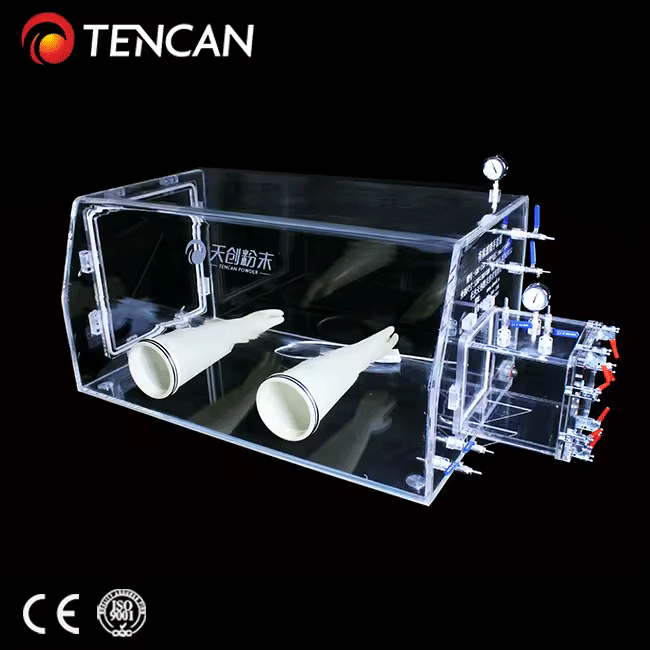
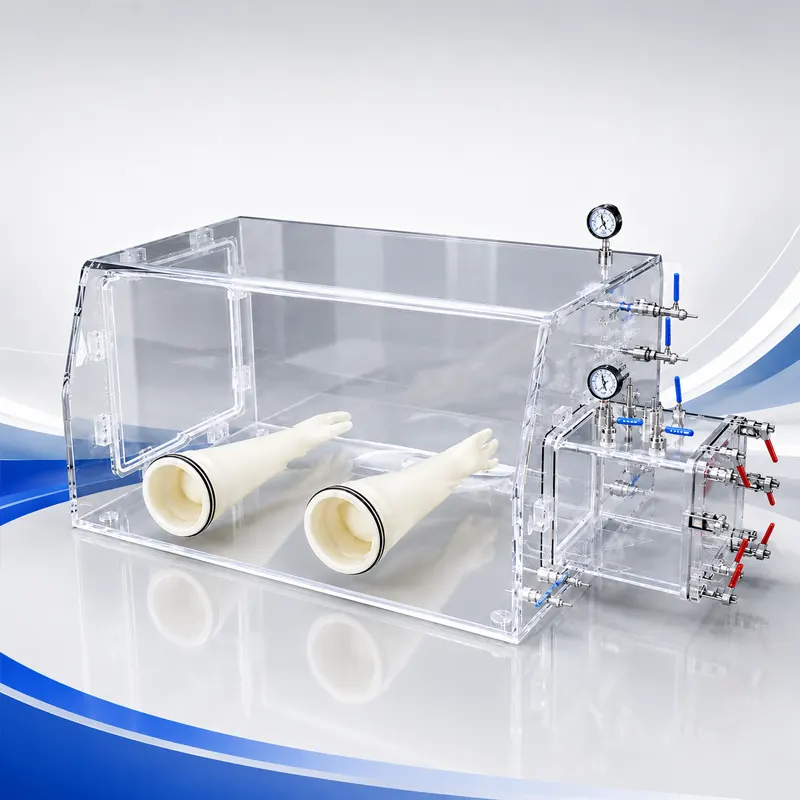
From its core, an acrylic glove box is a transparent containment chamber that creates a separated workspace for handling samples while limiting their contact with the surrounding laboratory environment. Operators use the sealed glove ports to reach inside, so hands remain outside the chamber while tools and samples remain inside. The format is useful when a material is sensitive to dust, moisture, or oxygen, or when a small process needs a clean and visible enclosure. The acrylic body is not merely a window; it is the main structural and viewing surface, giving the user a wide, unobstructed view of the work area. For the product described here, the acrylic glove box product page is the best starting point for current configuration details. In practical terms, the device is a workspace, a barrier, and a small controlled environment combined in one bench-scale unit.
How an Acrylic Glove Box Works
From Ambient Air to a Controlled Workspace
An acrylic glove box does not work like a machine that performs a single mechanical cycle. Its function is environmental: it separates a small volume of air from the room and then allows the operator to adjust that volume before sensitive work begins. The usual sequence is to inspect the chamber, close the transfer opening or door, connect the required gas supply if one is used, and purge the interior long enough to displace the original air. The target condition may be low humidity, low oxygen, low particle count, or simply a physical barrier against dust and handling contamination. The exact target depends on the sample, and the appropriate purge time should be established by measurement rather than by appearance.
The chamber itself is passive in this process. Gas enters through an inlet, mixes with the internal atmosphere, and exits through an outlet or relief path. Where the application requires it, an oxygen or moisture monitor can verify the result. A transparent acrylic body helps the operator see the sample, tools, and any visible condensation or dust, but visibility is not a substitute for instrumentation. A clear chamber can still contain an unsuitable atmosphere, and a slightly cloudy one may be acceptable for less demanding work. The key point is that atmosphere control is a workflow supported by the enclosure, not a property that can be judged by transparency alone.
The Glove Ports and Operator Interface
The glove ports are the interface between the operator and the isolated workspace. A pair of gloves is sealed to the ports, and the operator inserts their hands into the gloves to manipulate items inside. The seal is critical: a loose glove, a damaged cuff, or a worn port ring can become the main leak path. For this reason, gloves should be checked before each use and replaced when they show cracking, tackiness, pinholes, or poor fit. The gloves also affect ergonomics. If they are too short or too stiff, the operator may struggle to reach the back of the chamber, which increases the chance of spills and awkward movements.
Pressure is another practical consideration. Some glove boxes are operated with a slight positive pressure so that any leakage tends to move outward; others may be operated at near-neutral pressure or under a slight negative pressure for containment. The correct mode depends on the hazard and on the design of the specific unit. Users should not assume that an acrylic chamber is pressure-rated, vacuum-rated, or suitable for every gas. The safe operating limit should be confirmed with the manufacturer. In normal use, the glove box is a low-energy device, but the quality of its seals and the discipline of the operator determine how well it performs.
Material Transfer and Workflow Discipline
Material transfer is often the weakest point in glove box practice. Every time a sample or tool enters the chamber, air can enter with it. A small transfer chamber, sometimes called an antechamber or pass box, allows items to be introduced through a secondary door and purged before the inner door is opened. Where no transfer chamber is available, operators may use a bag-in and bag-out technique or a carefully planned purging routine. The right method depends on the sensitivity of the sample and the frequency of transfer. For occasional work, a simple purge may be enough; for repeated handling of oxygen-sensitive materials, a proper transfer procedure is much more reliable.
Workflow discipline also means keeping the interior uncluttered. Tools, sample containers, wipes, and waste should have defined places. Sharp edges should be kept away from the acrylic walls, and spills should be cleaned promptly with a method that is compatible with the chamber material. A glove box is small, so a minor spill can quickly affect the whole atmosphere. Planning the sequence of operations before opening the box reduces the number of transfers and the amount of air exchanged. In this sense, the best performance often comes from good operating habits rather than from additional equipment.
A practical start-up routine can be built around four steps: inspect, close, purge, and verify. Inspection covers gloves, seals, the transfer door, and the general condition of the acrylic panels. Closing means making sure every intended opening is secured before gas is introduced. Purging should follow a written procedure that states the gas, flow, time, and any waiting period. Verification should use an appropriate measurement or a documented indicator. This routine does not need to be complicated, but it should be repeatable. When several people use the same box, a short log or checklist can prevent skipped steps and make it easier to trace a problem later.
Core Components and Design Features
Transparent Acrylic Chamber and Frame
The chamber is usually fabricated from acrylic sheet, chosen for its optical clarity, relatively low weight, and ease of forming into a rectangular or angled enclosure. The transparent walls allow a wide field of view and make it easier to position samples and tools accurately. Acrylic is not, however, a universal material. It can be attacked by some organic solvents and may stress-crack under certain conditions, so cleaning agents and contact materials should be checked for compatibility. The frame, base, and joint details matter as much as the panel material because they determine rigidity, sealing, and the lifetime of the enclosure.
Glove Ports, Seals, and Gloves
Glove ports may be simple rings, oval openings, or molded assemblies, depending on the design. The seal between the glove and the port must be continuous and easy to inspect. Some systems use O-rings or clamp rings; others use a cuff that is secured over a collar. The gloves themselves are a consumable item, so availability and replacement cost should be considered before purchase. A glove box that is difficult to re-glove may sit unused, while a model with a straightforward replacement method is more likely to remain in service. Glove size, thickness, and material should match the task, the cleaning routine, and the required dexterity.
Gas Connections, Valves, and Monitoring
Gas inlet and outlet connections allow the chamber to be purged with nitrogen, argon, or another suitable gas when the application requires a modified atmosphere. Valves should be reachable and clearly labeled, and the tubing route should not interfere with the workspace. Monitoring is optional on many small glove boxes but is valuable when the process has a real sensitivity threshold. An oxygen analyzer, a moisture sensor, or a simple pressure indicator can turn an assumed atmosphere into a measured one. Users should confirm which sensors, if any, are included and whether they are calibrated for the expected gas and range.
Workspace Ergonomics and Accessories
The interior layout affects productivity more than many buyers expect. A shelf, a small work tray, an internal light, or a power feedthrough can make a simple chamber much easier to use. The working height should allow the operator to see and reach the full floor area without straining. Sharp corners, obstructions near the glove ports, and poorly placed tubing all reduce usable space. If the process involves small parts, consider how they will be held, moved, and retrieved. If it involves powders, consider how spills will be contained and cleaned. These practical details are part of the selection process, not afterthoughts.
Transfer Arrangements and Interior Organization
The transfer arrangement deserves close attention because it controls how often the main chamber is opened to the room. A small antechamber with two doors allows an item to be placed inside, sealed, purged, and then admitted to the main workspace. This adds a step, but it protects the atmosphere during routine use. If the glove box does not include a transfer chamber, the user should plan a repeatable bag or purge procedure and allow enough time for it. Inside the chamber, removable trays and labeled containers can reduce movement and confusion. The goal is to keep the working zone clear while still having the tools and materials needed for the task within reach.
Key Performance Indicators and Selection Criteria
Atmosphere Quality and Leak Tightness
The most important performance question is how well the chamber holds its intended atmosphere. A useful supplier discussion should cover the sealing method, the type of gloves and ports, the purge connections, and any recommended leak-check procedure. Where low oxygen or low moisture is critical, ask how the atmosphere is verified and how long a target condition can be maintained. A large chamber with many openings may require more purging than a compact one. A chamber with a well-designed transfer path may be easier to keep stable during repeated use. These are system-level questions, not just panel-size questions.
Visibility, Chemical Compatibility, and Durability
Acrylic offers excellent clarity, but it is not the same as glass or stainless steel in every environment. It can scratch, and scratches may reduce visibility over time. It can also be affected by certain solvents and cleaning agents. Buyers should list the substances that will be used inside the box, including cleaning fluids, and confirm compatibility. If the process involves aggressive solvents, a different chamber material may be more appropriate. If the main requirement is dry handling of non-aggressive powders or parts, acrylic may offer a good balance of visibility and weight. The selection should be based on the actual chemistry, not on appearance alone.
Size, Ergonomics, and Throughput
Chamber size should be matched to the task. A very small box is easy to purge but may be cramped; a large box gives more room but may take longer to condition and may be harder to reach into. The position and number of glove ports, the height of the working surface, and the available bench space all affect usability. For occasional sample inspection, a compact unit may be sufficient. For repeated assembly, weighing, or testing, the operator needs enough room to work without crossing hands or touching the walls. Throughput is therefore not only a matter of volume; it is a matter of how quickly a stable workspace can be prepared and how comfortably the task can be performed.
Controls, Documentation, and Maintenance
Controls may be as simple as manual valves or as complete as a purging panel with pressure and impurity monitoring. The right level depends on the process. More instrumentation can improve confidence, but it also adds calibration and maintenance work. Documentation should explain how to change gloves, inspect seals, clean the chamber, and perform a basic leak check. Spare parts, especially gloves and seal components, should be available. A glove box is a long-life enclosure rather than a disposable instrument, so the ability to maintain it matters. A simple, well-documented unit is often more useful than a complex one that cannot be serviced locally.
What to Confirm Before Purchase
Before ordering, confirm the intended gas and operating pressure, the available purge and relief connections, the glove material and size, the method for changing gloves, and the cleaning agents that are compatible with acrylic. Ask whether the unit is intended only for physical containment or also for atmosphere control, and ask for the recommended verification method. Check the external dimensions against the bench or fume hood space, and check the internal dimensions against the largest item that must be manipulated. Finally, confirm the availability of replacement gloves and seals. These questions are simple, but they prevent most of the mismatch between a buyer's expectation and a glove box's actual capability.
Applications and Selection Advice
Acrylic glove boxes are used in laboratories, workshops, and pilot-scale environments where a small, visible, and separated workspace is useful. Typical tasks include handling moisture-sensitive powders, assembling small electronic or optical components, preparing samples for analysis, protecting clean parts from dust, and manipulating materials that should not be touched directly. They are also used in teaching and training because the transparent chamber makes the workflow easy to observe. The enclosure is not limited to one industry; its value comes from the combination of physical separation, glove access, and atmosphere control. The specific suitability still depends on the material, the gas, and the required cleanliness level.
Selection should start with the sample and the hazard, not with the largest or most complex model. If the main concern is dust and casual contact, a basic acrylic glove box with good seals and comfortable gloves may be enough. If the concern is oxygen or moisture, choose a unit with suitable purge connections and a way to verify the atmosphere. If solvents or high temperatures are involved, confirm material compatibility before use and consider whether acrylic is the right chamber material at all. For a current product description and configuration details, see the acrylic glove box page linked at the end of this article. A short conversation with the supplier about the intended process is usually more valuable than a long list of generic features.
For users comparing options, a simple decision sequence helps. First, define what must be excluded: dust, oxygen, moisture, or direct contact. Second, decide whether the atmosphere must be measured or whether a physical barrier is sufficient. Third, estimate how often materials will be transferred and whether a transfer chamber is justified. Fourth, check the ergonomics for the actual operator and task. Fifth, confirm cleaning and maintenance routines. This sequence keeps the purchase focused on the process rather than on accessories that may not be used. It also makes it easier to explain the requirement to a supplier and to compare quotations on a like-for-like basis.
Frequently Asked Questions
Is an Acrylic Glove Box the Same as a Vacuum Glove Box?
No. A vacuum glove box is designed and rated for vacuum operation, while an acrylic glove box is generally intended for controlled-atmosphere or containment work at modest pressure. Users should not apply vacuum or pressure beyond the manufacturer's stated limits. If vacuum operation is required, confirm the design rating explicitly rather than assuming that any sealed box can be evacuated.
Can an Acrylic Glove Box Be Used with Nitrogen or Argon?
Many glove boxes can be connected to a gas supply for purging, but the exact valves, tubing, and permissible gases depend on the model. Confirm the gas compatibility, the purge procedure, and whether a relief path is provided. Never use a gas in a way that could over-pressurize the chamber.
How Do I Know When the Atmosphere Is Ready?
Use the appropriate measurement. For oxygen-sensitive work, an oxygen monitor is more meaningful than a visual check. For moisture-sensitive work, use a moisture sensor or a validated purge schedule. If no instrument is available, follow the supplier's recommended purge time and treat it as a procedure, not a guarantee.
Can I Handle Powders in an Acrylic Glove Box?
Yes, provided the powder is compatible with acrylic and with the cleaning method. Powders should be kept in closed containers where possible, and transfers should be planned to minimize dust. Fine powders can cling to acrylic surfaces and may be difficult to remove, so a tray or disposable liner can help. If the powder is hazardous, the glove box should be part of a wider containment plan rather than the only control.
How Should the Chamber Be Cleaned?
Use a cleaning agent that is compatible with acrylic and with the materials inside the box. Avoid abrasive pads and aggressive solvents that can haze or crack the panels. Clean gloves and seals according to the supplier's instructions, and allow surfaces to dry before closing the chamber. If a spill occurs, isolate the area, remove the material safely, and check whether the atmosphere or the acrylic surface has been affected.
What Maintenance Matters Most?
Inspect gloves and seals regularly, keep the interior clean, avoid incompatible solvents, and replace worn consumables before they fail. A simple leak check and a consistent purging routine will do more for performance than occasional adjustments after a problem appears.
Further Information
The acrylic glove box is a practical example of how a transparent enclosure can combine visibility, physical separation, and a small controlled atmosphere. For dimensions, port configuration, and available options, refer to the official acrylic glove box product page. Buyers should match the chamber to the sample, the required atmosphere, and the operator's workflow, and should confirm all pressure, vacuum, and chemical-compatibility limits with the supplier before use.
Related Products
Get In Touch
Our professional team will reply to you within one business day. Please feel free to contact us!