

What is an Acrylic Glove Box? A Transparent Enclosure for Safe Sample Handling
What Is an Acrylic Glove Box?
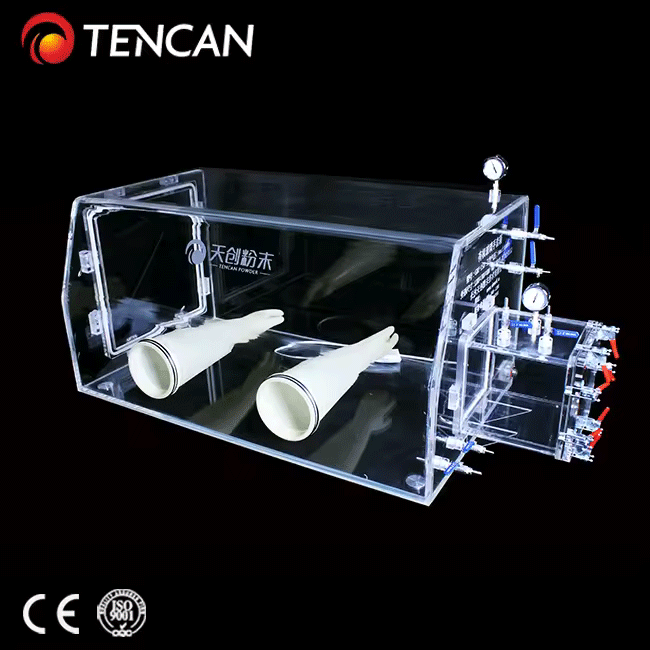
From a practical standpoint, an acrylic glove box is a transparent containment enclosure that lets a user work with samples through fixed gloves while keeping the workspace separated from the surrounding room. In laboratories, quality-control rooms, and small-scale production areas, it is used to create a defined handling zone for materials that should not be touched directly or exposed unnecessarily to the ambient environment. The product referenced here is the Acrylic glove box.
The word acrylic refers to the clear window material used for the chamber, while glove box describes the glove ports that allow hands to enter the workspace without opening the main enclosure. Together, these features support visibility and manual dexterity. The enclosure is not simply a storage cabinet; it is a working interface between the operator and the sample.
How an Acrylic Glove Box Works
From Open Bench Work to Controlled Handling
In ordinary bench work, a sample is exposed to the room whenever a container is opened. An acrylic glove box changes that sequence. The material is placed inside the chamber, the access side is closed, and the operator uses the glove ports to manipulate containers, tools, and samples. The transparent walls maintain visual contact, so weighing, transferring, mixing, inspecting, or packing can be performed with greater separation from the outside.
The fundamental transformation is not a change in the material itself; it is a change in the handling environment. A powder remains a powder, a component remains a component, and a sample remains a sample. What changes is the amount of direct contact between the material and the room. This is why the equipment is often described as an enclosure or containment device rather than a processing machine.
The Role of the Transparent Chamber
The clear chamber is the defining feature. It provides a physical barrier while allowing the operator to see the work area. Good visibility matters because many handling steps depend on fine control: opening a bag, positioning a vial, using a spatula, checking a label, or inspecting a surface. Unlike an opaque cabinet, an acrylic enclosure lets light pass through and supports direct observation from multiple angles. This can reduce the need to open the box merely to check on the sample.
The chamber also organizes the workspace. Tools and materials can be arranged inside before handling begins, and the internal layout can be kept separate from the surrounding bench. In a busy laboratory, this separation helps distinguish the controlled zone from the general environment. It also encourages a more deliberate workflow: prepare, load, close, handle, unload, and clean.
Glove Ports and Manual Control
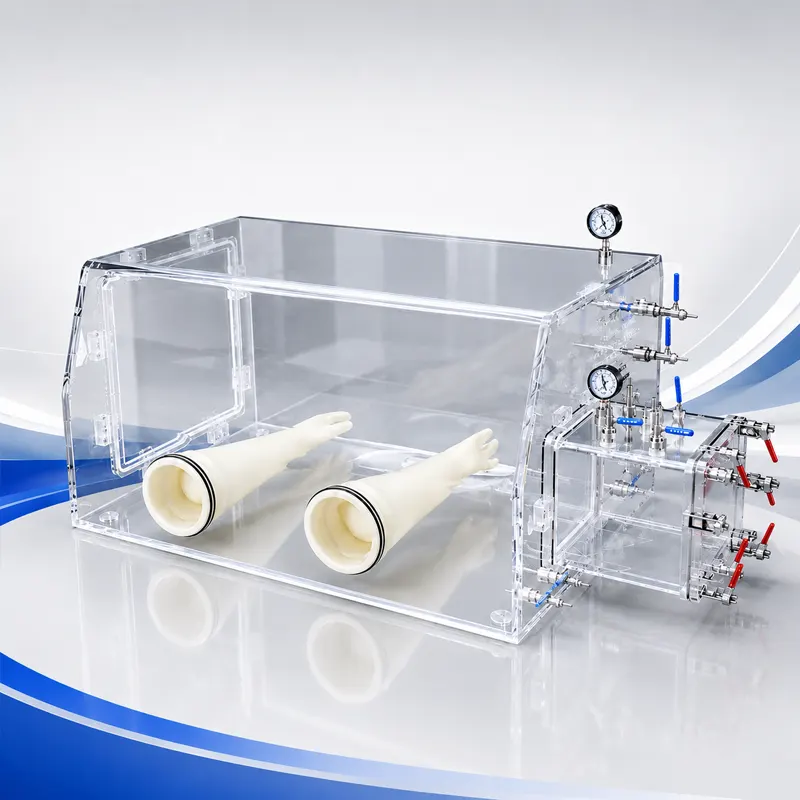
The glove ports are the interface between the operator and the enclosed workspace. Gloves are attached to the ports so that the user can reach inside without creating a large open passage. The operator's hands remain outside the chamber while the glove material extends into it. This arrangement allows direct manipulation of tools and containers while the main enclosure remains closed.
Manual control is important because many laboratory and production tasks are not fully automated. A worker may need to feel resistance when opening a cap, judge the position of a small part, or move a fragile sample without disturbing it. Gloves preserve a degree of tactile feedback, although the operator must adapt to the reduced dexterity that any glove system introduces. The quality of the glove ports, the fit of the gloves, and the ergonomics of the working height all influence how comfortable and precise the task feels.
Exchange of Air, Moisture, and Particles
An acrylic glove box can be understood as a small controlled environment. Even when the box is closed, the internal atmosphere may change over time because of small leaks, material outgassing, or the transfer of items in and out. For this reason, users should think about what they need to control: dust, particles, humidity, oxygen, or simply direct contact. The enclosure provides the boundary; the user's procedure determines how well that boundary is maintained.
If the goal is to limit particle migration, handling techniques and cleaning routines matter as much as the box itself. If the goal is to reduce moisture exposure, the use of suitable desiccants or purging arrangements may be considered, depending on the configuration. If oxygen-sensitive materials are involved, the overall gas-management approach becomes important. In each case, the glove box is part of a workflow, not a substitute for one. The most effective use comes from matching the enclosure and the procedure to the sensitivity of the material.
Core Components and Key Design Features
The Acrylic Enclosure
The acrylic panels form the visible body of the box. Acrylic is chosen for transparency and for the ability to shape a clean, open-looking chamber. The material allows the operator to monitor the sample without opening the front access. It also gives the equipment a relatively light visual presence compared with opaque metal enclosures. For tasks where observation is central, this transparency can improve confidence and reduce unnecessary interventions.
From a selection standpoint, users should consider how the panels are joined, how the access opening is arranged, and how the interior surfaces can be cleaned. Smooth surfaces and accessible corners are easier to wipe down. The enclosure should be stable on the bench and should not flex excessively during use. Because acrylic is a polymer material, cleaning agents and solvents should be chosen with care and according to the manufacturer's guidance. A box that is easy to clean is more likely to remain a reliable part of the workflow.
Glove Ports and Gloves
The glove ports are usually the most important ergonomic detail. The position, spacing, and diameter of the ports affect reach and comfort. If the ports are too far apart, the operator may struggle to bring both hands to the same task. If they are poorly positioned, the shoulders and wrists may tire quickly. The gloves themselves should be compatible with the materials being handled and should be inspected for damage before each use.
A glove box is only as effective as its glove system. A torn glove defeats the purpose of the enclosure, so routine inspection is essential. Users should also consider how gloves are replaced and whether the selected glove material offers the needed chemical resistance, flexibility, and durability. The glove is a consumable component, not a permanent part of the box, and planning for replacement is part of planning for reliable operation.
Access, Sealing, and Transfer
The access side of an acrylic glove box is the main route for loading and unloading. Depending on the design, the opening may be a hinged door, a removable panel, or another closure. The closure should allow straightforward placement of materials while supporting a consistent working environment once closed. A simple, repeatable loading routine reduces the chance that the operator will leave the box open longer than necessary.
Transfer is a critical point in any containment workflow. Every time an item enters or leaves, there is a potential exchange between the inside and outside. Users should plan what must be loaded before work begins, keep needed tools within reach, and avoid unnecessary opening and closing. Where the process requires more controlled transfer, additional arrangements may be used, but the basic principle remains: minimize unnecessary exchange and make the necessary exchange deliberate.
Interior Organization and Lighting
The inside of the box should be organized for the task. Trays, small racks, waste containers, and tool holders can help keep the workspace orderly. Good lighting is also important because the transparent panels may reflect room light. A well-lit interior makes it easier to see fine details and reduces the temptation to open the box for a better view. The working height and the position of the operator should be considered together with the box layout.
Because the enclosure is transparent, glare and reflections can affect visibility. Users should test the placement of the box in the room and adjust lighting if needed. A clean panel is easier to see through than a scratched or dusty one, so routine cleaning and careful handling of the acrylic surfaces are part of good operation. These practical details may seem minor, but they influence how often the box is used and how well it performs in daily work.
Key Performance Indicators and Selection Points
Workspace Size and Handling Reach
The first selection question is whether the internal workspace matches the task. A box that is too small may restrict movement and force awkward handling. A box that is too large may be difficult to reach, clean, or place on the available bench. Users should consider the size of the largest item to be handled, the number of tools needed, and the range of motion required. The goal is not simply maximum volume; it is usable volume.
Reach is closely related to glove port placement. The operator should be able to access the working area without overextending the shoulders or pressing the arms against the port edges. If the work involves two-handed operations, the spacing between ports becomes especially important. A practical evaluation, even with a simple mock-up or a trial session, can reveal whether the layout suits the people who will use it.
Visibility, Material Compatibility, and Cleaning
Transparency is a performance feature in an acrylic glove box. The panels should remain clear enough for inspection, and the enclosure should be designed so that the operator can see the sample from a comfortable position. Material compatibility is equally important. The acrylic body, gloves, seals, and internal fixtures must be compatible with the substances and cleaning methods used. Users should check compatibility before introducing solvents, acids, fine powders, or other challenging materials.
Cleaning access should be considered during selection. Smooth internal surfaces, removable trays, and rounded or accessible corners can make routine cleaning easier. The exterior also needs attention because dust and residue on the outside can reduce visibility. A simple cleaning routine, performed consistently, helps maintain both the appearance and the function of the enclosure.
Sealing, Atmosphere, and Process Control
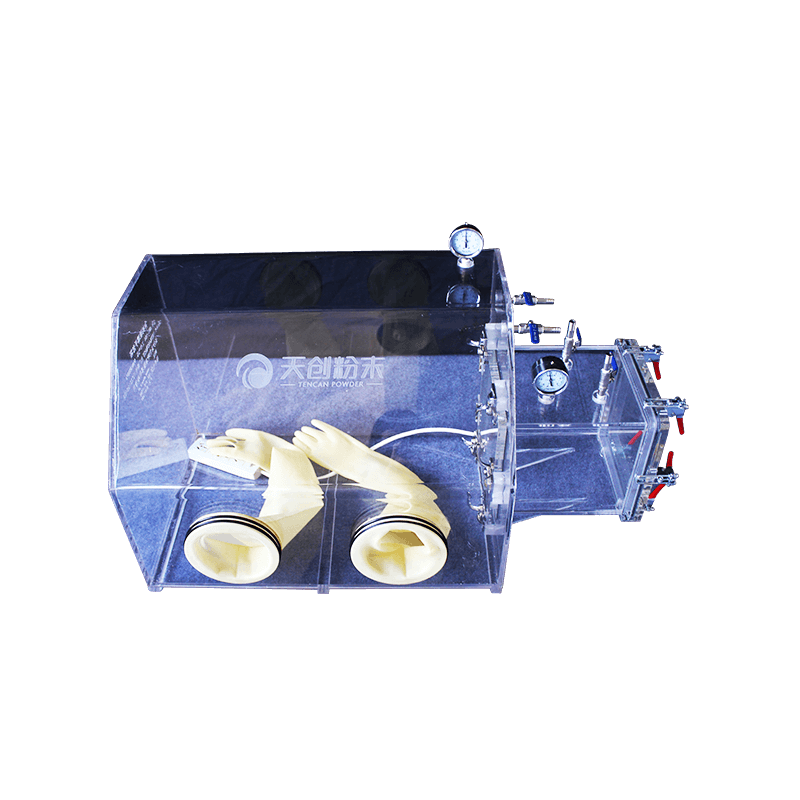
Users should define what the enclosure is expected to control. If the main concern is direct contact and dust, a well-made basic enclosure with disciplined handling may be sufficient. If humidity or oxygen is a concern, the overall setup needs more thought, including purging, monitoring, and transfer practices. The glove box itself provides the physical boundary, but the process provides the control. Selection should therefore be based on the material sensitivity and the required handling duration, not on the enclosure alone.
Process control also includes operator behavior. Keeping the box closed, limiting unnecessary items, cleaning up spills promptly, and replacing damaged gloves are all part of maintaining performance. A box with good sealing still depends on good practice. For this reason, buyers should ask how the enclosure fits into their Standard Operating Procedures and how staff will be trained to use it consistently.
Ergonomics, Maintenance, and Daily Reliability
The best enclosure is one that people can use comfortably for the required task. Working height, glove port position, visibility, and access all affect fatigue. Maintenance should also be straightforward: gloves should be replaceable, surfaces should be cleanable, and the closure should operate smoothly. Users should know which parts are consumables and which parts require periodic inspection.
Reliability is not only a matter of construction; it is also a matter of routine. A checklist for glove inspection, panel cleaning, closure checks, and housekeeping can prevent small issues from becoming larger ones. In a laboratory or small production environment, this kind of routine supports consistent handling and reduces the chance of accidental exposure. The acrylic glove box is a simple idea, but its value depends on thoughtful selection and disciplined use.
Applications and Selection Advice
Acrylic glove boxes are used where a clear, manual workspace is useful for separating samples from the surrounding room. Typical settings include laboratory sample preparation, powder handling, small-component assembly, quality inspection, and teaching or demonstration work. They can be helpful when an operator needs to see the sample, use both hands, and reduce direct contact. The enclosure is also useful for organizing a clean handling zone in a shared laboratory where bench space is used for multiple activities.
For selection, start with the material and the task rather than with a list of features. Identify the main concern: dust, contact, humidity, oxygen, or cross-contamination. Then consider the size of the items, the tools required, the number of operators, and the cleaning routine. If the work is simple and observation is the priority, a clear acrylic enclosure with well-placed glove ports may be appropriate. If the work requires a more controlled atmosphere, the surrounding gas and transfer arrangements should be planned together with the box.
The Acrylic glove box product page is the appropriate place to confirm the specific configuration and available details. Buyers should compare the stated product information with their own handling requirements and ask for clarification where a process requirement is not covered. A glove box should be selected as part of a workflow, not as an isolated purchase.
Common Questions About Acrylic Glove Boxes
Is an Acrylic Glove Box the Same as a Fume Hood?
No. A fume hood is primarily designed to draw air away from the operator and exhaust it through a ventilation system. An acrylic glove box is a manual enclosure that separates the sample through gloves and a closed chamber. The two devices address different needs. A glove box emphasizes direct separation and a visible workspace, while a fume hood emphasizes airflow and exhaust. Users should match the equipment to the hazard and the process rather than treating the names as interchangeable.
Can an Acrylic Glove Box Be Used for Powders?
Yes, it can be useful for powder handling when the goal is to reduce direct contact and limit the spread of fine particles. The transparent chamber allows the operator to see the material, and the gloves support careful transfer with a spatula, scoop, or small container. However, powders can cling to surfaces and become airborne if handled roughly. Users should plan gentle transfer, closed containers, and regular cleaning. The box supports control, but the handling technique determines how much dust is generated.
What Maintenance Matters Most?
The most important routine tasks are glove inspection, surface cleaning, and checks of the closure. Gloves should be examined before each use and replaced when damaged. Transparent panels should be cleaned with suitable methods so that visibility remains good. The closure should open and close smoothly and should not be forced. Users should also watch for scratches, loose fittings, or residue that could affect the working area. A short, consistent maintenance routine is more useful than an occasional deep clean.
How Should Users Choose the Right Level of Control?
Start by defining the exposure or environment that matters. For simple protection from direct contact and dust, a basic acrylic enclosure with good visibility and comfortable glove ports may be enough. For humidity, oxygen, or other atmospheric concerns, the process needs a broader plan that includes purging, monitoring, and transfer practice. The enclosure should be chosen together with the procedure, because the best box in isolation can still fail if the workflow around it is poorly designed.
Practical Operating Notes
Before use, inspect the gloves and the closure. Arrange only the tools and materials needed for the task. Keep the work area inside the box uncluttered so that visibility and movement are not restricted. During use, avoid unnecessary opening and closing, and keep containers closed when they are not being handled. After use, remove waste and clean the surfaces according to the appropriate procedure. These steps help preserve the transparent panels and maintain a predictable working environment.
Training matters because a glove box changes the way the operator interacts with the sample. New users may need time to adapt to reduced dexterity and limited reach. They should learn how to load the box, position tools, inspect gloves, and respond to a spill or damage. A short practice session with representative containers can reveal whether the layout is comfortable and whether the chosen gloves allow the required control.
Conclusion
An acrylic glove box is a transparent manual enclosure for handling materials through gloves while limiting direct contact with the surrounding room. Its core value lies in visibility, separation, and controlled access. By understanding how the chamber, gloves, access side, and operating routine work together, users can select a configuration that supports their samples and their people. The product referenced here provides a clear starting point for that evaluation.
Related Products
Get In Touch
Our professional team will reply to you within one business day. Please feel free to contact us!