

What Is a Zirconia Grinding Ball? A Durable Ceramic Media for Wet Fine Milling
From the core, a zirconia grinding ball is a ceramic grinding medium used in ball mills and similar fine-milling equipment to reduce, disperse, and homogenize materials. Ceramics, advanced materials, pigments, coatings, electronic materials, pharmaceutical preparation, and laboratory research use it when a durable, non-metallic grinding media is required for wet or dry processing.
What Is a Zirconia Grinding Ball?
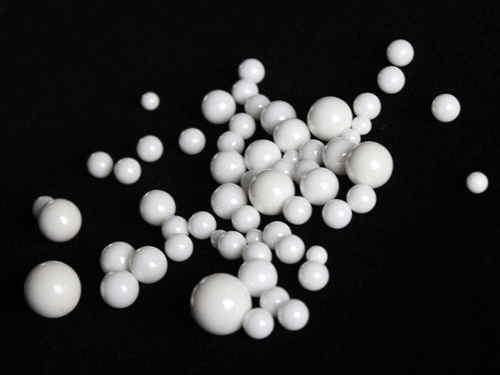
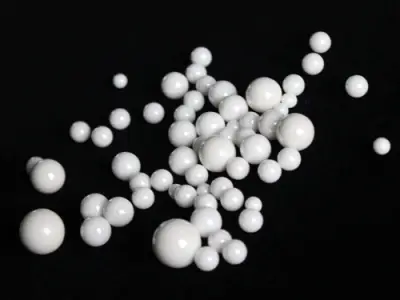
A zirconia grinding ball is a shaped ceramic body made primarily from zirconium oxide and used as a moving media inside a milling jar, drum, or chamber. Unlike a crusher or a mill machine, it is a consumable that transfers motion and energy from the equipment to the material being processed. Its role is to break down agglomerates, reduce particle size, mix components, and create a more uniform slurry or powder. The product is therefore both a material and a process tool: its composition affects contamination risk, its shape affects contact mechanics, and its size affects the balance between breaking force and surface area.
In a typical purchase decision, the zirconia grinding ball is evaluated together with the mill type, jar material, solvent, feed hardness, target fineness, and cleaning routine. The product page for the Zirconia grinding ball presents the current product information and images that buyers can use as a starting point. Because grinding results depend on the whole milling system, the ball should not be selected in isolation; it should be matched to the machine, the jar, and the process goal.
The name describes the material and the form, but it does not describe a single operating condition. A zirconia ball may be used as a grinding medium, a mixing medium, or a support for deagglomeration. In some laboratories it is part of a small jar-milling routine; in other settings it is one component of a larger wet-milling circuit. Users should therefore treat the product as a system input rather than as a stand-alone solution. The right question is not simply whether zirconia is a good material, but whether a particular ball size, charge, and handling method fit the intended mill and product.
How a Zirconia Grinding Ball Works
From Feed Material to Fine Particles
Inside the mill, the feed may begin as a coarse powder, a paste, a slurry, or a mixture of solids and liquid. The zirconia grinding ball does not change the chemistry of the feed by itself; it applies mechanical energy. As the mill jar or chamber moves, the balls are lifted, rolled, and returned to the material bed. That repeated motion creates collisions, rolling contact, and sliding friction. The combined action breaks weak agglomerates, fractures brittle particles, and spreads the solids through the liquid phase. The result is a finer, more uniform material, although the exact endpoint depends on the feed and the milling conditions.
Impact, Attrition, and Shear
The working principle is easiest to understand as three related actions. Impact occurs when a ball strikes the material or another ball with enough force to fracture particles. Attrition occurs as balls rub and roll against one another, wearing down edges and agglomerates. Shear occurs when the material is forced between moving surfaces, which is especially important in wet milling and dispersion. A zirconia ball contributes to all three because it is a hard, shaped body that can transfer motion without becoming part of the product. The balance among impact, attrition, and shear changes with mill speed, ball size, fill level, solids loading, and liquid viscosity.
Process Parameters That Shape the Result
Several parameters determine whether milling is efficient or merely energetic. The mill speed controls how the media are lifted and how often contacts occur. The ball-to-material ratio controls the number of contact events relative to the amount of feed. The size distribution of the media controls the scale of the forces: larger balls provide more individual breaking energy, while smaller balls provide more contact points and can support finer grinding. The liquid phase in wet milling affects viscosity, heat transfer, and particle movement. Jar material, lining, and cleanliness also matter because they influence contamination and wear. No single setting guarantees a result; users should establish a starting point and then adjust one variable at a time.
Wet Milling and Dry Milling
In wet milling, the liquid carries particles, helps control dust, and can improve dispersion, but it also changes viscosity and the way the media move. A slurry that is too thick may cushion impacts and slow grinding, while a slurry that is too thin may allow particles to settle or bypass the most active contact zones. In dry milling, the powder itself fills the spaces between balls, and the main concerns include dust, heat, and material sticking to the jar or media. Neither route is automatically better. The choice should follow the product requirements, the sensitivity of the material, and the available equipment. A zirconia grinding ball can be considered for either route only after the mill, jar, and operating limits have been checked.
Core Components and Design Features
Ceramic Body and Material Consistency
The ceramic body is the center of the product. A zirconia grinding ball is designed to provide a non-metallic contact surface that can be used where iron or other metallic wear debris is undesirable. Material consistency matters because variation between production lots can affect wear behavior, surface finish, and the repeatability of milling. Buyers should ask for product information that describes the material, the intended application, and the recommended handling conditions. They should also confirm that the ball is compatible with the jar, the solvent, and the cleaning agents used in their process.
Shape, Surface, and Contact Geometry
Although the product is called a ball, its shape and surface condition still deserve attention. A regular spherical form supports predictable rolling and even wear. Surface defects, chips, or excessive roughness can change contact behavior, trap material, or create cleaning difficulties. In a production setting, the ball should be inspected before first use and monitored over time. A damaged ball is not only less effective; it can also become a source of contamination or a cause of inconsistent milling.
Size and Grading
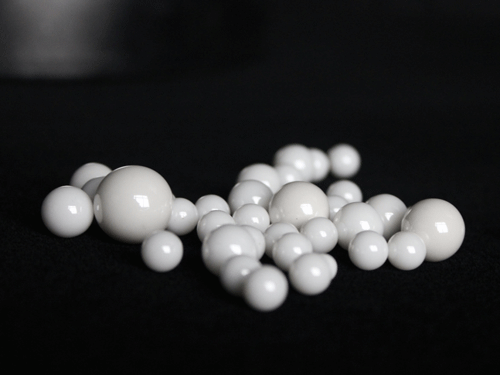
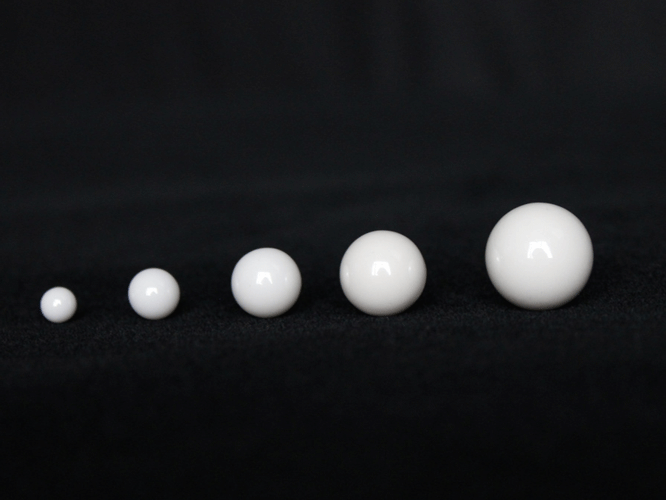
Ball size is one of the most practical selection variables. Smaller media create more contact points and are often associated with finer grinding and better dispersion, while larger media can supply more individual impact energy for tougher feed materials. In many mills, a graded charge containing more than one size can balance breaking force and surface contact. The right choice depends on the feed particle size, target fineness, mill geometry, and the amount of material being processed. Users should avoid choosing a size only by habit; they should test a small batch and compare fineness, cycle time, and wear.
Compatibility With the Mill and Jar
Zirconia grinding balls are selected for use with ball mills, planetary ball mills, jar mills, stirred mills, and other fine-grinding equipment, but compatibility must be checked for each setup. The jar material, lining, gasket, and lid should be able to tolerate the media and the process. The ball charge should leave enough free space for motion and material flow. Overloading a jar can reduce movement and increase heat, while an insufficient charge may not provide enough contacts. Cleaning between batches is also part of compatibility, because residues can carry over into the next product.
Checks Before First Use
Before a new charge is placed in service, users should confirm the identity of the product, inspect the balls for visible damage, and compare the delivered size with the process plan. The jar should be clean and free of previous residues. A small trial batch can reveal whether the media move properly, whether the mill reaches the intended fineness, and whether cleaning is practical. Records of ball size, lot, charge weight, and operating time make later comparisons more reliable. These simple checks do not replace formal quality control, but they help prevent avoidable variation.
Key Performance Indicators and Selection Points
Grinding Capacity and Mill Matching
Users often ask how much a zirconia grinding ball can process, but capacity is a property of the whole mill setup rather than the ball alone. The achievable throughput depends on jar volume, media load, feed properties, target fineness, and allowable processing time. A media that works well in a small laboratory jar may not be suitable for a production mill with different geometry and energy input. Selection should begin with the required batch size and the mill's recommended media range. Pilot tests are more informative than a single headline capacity figure.
Particle Size Control and Repeatability
Fineness is controlled by the combined effect of media size, milling time, speed, solids loading, and the separation or classification step. A zirconia ball can help produce a narrow, repeatable result only when the other variables are controlled. Users should define the target particle size or dispersion quality, then monitor the process rather than milling for a fixed time without verification. Sampling, viscosity checks, and visual inspection can reveal whether the mill is reaching the intended endpoint. If results drift, the cause may be media wear, jar wear, feed variation, or a change in the liquid phase.
Energy Use, Wear, and Efficiency
Grinding efficiency is not only about motor power. It is also about how much useful contact occurs per unit of energy and how long the media remain serviceable. Zirconia is selected in many applications because it offers a ceramic, wear-resistant contact surface, but no media lasts forever. Users should watch for changes in grinding time, contamination, surface damage, and ball size over time. Excessive mill speed or an unsuitable charge can accelerate wear without improving the product. A balanced charge, appropriate fill level, and realistic cycle time usually contribute more to efficiency than simply adding more media.
Automation, Cleaning, and Maintenance
Automation affects repeatability because programmable mills can control speed, direction, and run time. Even with automation, the media must be checked and maintained. Cleaning should remove adhered powder or slurry without damaging the ball surface. Storage should protect the balls from impact, dirt, and incompatible chemicals. In multi-product laboratories, a documented cleaning and segregation routine helps prevent cross-contamination. Maintenance also includes inspecting jars and lids, because worn seals or linings can influence the process as much as the media do.
Total Cost and Trial Planning
The lowest purchase price is not always the lowest process cost. A trial plan should consider media consumption, cleaning time, downtime, and the risk of a failed batch. It should also define how success will be measured: finer product, shorter cycle time, less contamination, or better batch-to-batch consistency. A small comparison between the current media and a zirconia grinding ball can be more useful than a long list of claims. Keep the feed, mill, jar, and target fineness as constant as possible so that the effect of the media is easier to interpret.
Applications and Selection Advice
Typical Application Areas
Zirconia grinding balls are used in laboratories and production environments where fine milling, mixing, or dispersion is needed and metallic contamination is a concern. Typical settings include ceramic and glass materials, advanced ceramic powders, pigments and coatings, electronic and battery-related materials, pharmaceutical and biological sample preparation, and general research milling. In each case, the user should confirm chemical compatibility and cleaning requirements. The same ball type may behave differently in a low-viscosity slurry than in a high-solids paste, so application experience should guide the final choice.
How to Choose the Right Media
Selection should start with the process objective: coarse size reduction, fine grinding, deagglomeration, or uniform mixing. Next, define the mill type, jar size, feed hardness, target fineness, and acceptable contamination level. From there, choose a media size and charge that the mill can move efficiently. New users should test a small batch, inspect the product, and compare results with the current media. Buyers who need documentation should request the available product details from the Zirconia grinding ball page before ordering. The goal is not the largest or smallest ball, but the ball that fits the entire milling system.
Scale-Up From Laboratory to Production
Scale-up is rarely a simple matter of using more balls. A larger mill has different geometry, energy input, and material flow, so the media size and charge may need to change. A laboratory result can guide the starting point, but it should not be copied without verification. Users should compare the ratio of media to feed, the available free volume, the milling time, and the temperature rise. If the product becomes finer or coarser than expected, adjust one factor at a time. Documentation from the trial makes the next step easier and reduces the risk of repeating the same problem at a larger scale.
Common Questions About Zirconia Grinding Balls
Are zirconia grinding balls suitable for both wet and dry milling?
They can be used in wet and dry milling when the mill, jar, and process are compatible. Wet milling often helps control dust and heat and can improve dispersion, while dry milling may be preferred when a solvent must be avoided. The decision depends on the feed, the required fineness, and the cleaning routine. Users should check that the liquid phase does not react with the media or the jar.
How do users decide on ball size?
Start with the feed size and target fineness. Larger media can provide stronger individual impacts, while smaller media provide more contact points for finer work. A graded charge may be useful when both breaking and polishing effects are needed. Because mill geometry matters, the best size should be confirmed by a trial rather than assumed from a general rule.
Can zirconia media be used in planetary ball mills?
They are commonly considered for laboratory planetary ball mills and similar jar-based systems, but the jar material, lid, and operating conditions must be checked. Planetary mills can generate high energy, so users should follow the mill manufacturer's media limits and avoid overloading. A small trial helps confirm that the media size and charge suit the jar.
What should users check before mixing media from different lots?
Before combining lots, check the product identification, appearance, size range, and any available material information. Mixed lots can behave differently if size or surface condition varies. If consistency is critical, keep lots separate, document the changeover, and compare milling results before full production. Suspect balls should be removed rather than mixed into a new charge.
How should zirconia grinding balls be cleaned and stored?
Use a cleaning method that removes process residue without chipping or scratching the ceramic. Avoid incompatible chemicals and harsh mechanical impact. Dry the balls properly before storage, keep them in a clean container, and protect them from dirt and accidental damage. In laboratories, label containers by material and lot to reduce cross-contamination.
When is zirconia preferable to other ceramic media?
Zirconia is often considered when a user needs a ceramic grinding medium for demanding fine milling and wants to avoid metallic contact. The final choice still depends on the feed, the required contamination level, the mill energy, and the cleaning routine. Comparing trial results is more reliable than selecting by material name alone.
Do larger balls always grind faster?
Not necessarily. Larger balls can deliver more impact energy, but they also provide fewer contact points and may occupy more space in the jar. For fine grinding, a smaller or graded charge may be more effective. The right balance depends on the feed and the target particle size, so speed and size should be tested together rather than changed separately.
What records are useful for ongoing quality control?
Record the media size, lot, charge weight, mill speed, milling time, feed batch, and measured fineness. Add notes on cleaning and any visible change in the balls. These records help distinguish a media issue from a feed or equipment issue. They also make it easier to repeat a successful run and to plan replacement before wear affects the product.
Product Details and Next Step
For current product images and the official product description, see the Zirconia grinding ball page. Before ordering, confirm the required ball size, the mill and jar compatibility, the cleaning method, and the target particle size. A small, documented trial is the most practical way to verify that a zirconia grinding ball suits a specific milling process.
Get In Touch
Our professional team will reply to you within one business day. Please feel free to contact us!