

What is a Stainless Steel Roll Mill Jar? A Durable Grinding Container for Contamination-Free Powder Processing in Roll Ball Mills
What is a Stainless Steel Roll Mill Jar?
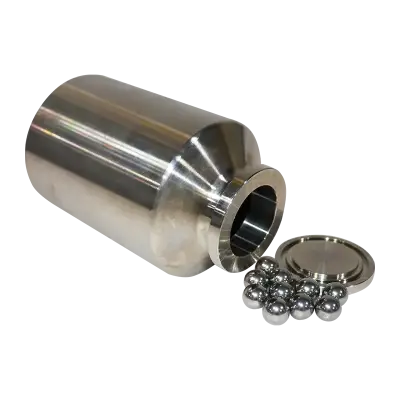
At its core, a stainless steel roll mill jar is a high-quality grinding container specifically designed for use with roll ball mills (also known as roller ball mills). It is a cylindrical vessel that holds the material to be ground along with grinding media such as steel balls or ceramic beads. As the jar rotates on the rollers of the mill, the tumbling action inside the jar reduces the particle size of the feed material. Unlike open systems, these jars provide a sealed environment that prevents contamination, dust leakage, and moisture ingress, making them indispensable for laboratories and industries that require clean, reproducible powder processing.
Core Function and Working Principle
The primary function of a stainless steel roll mill jar is to transform coarse or granular materials into fine powders through a combination of impact, attrition, and shear forces. The jar is placed on a set of rotating rollers, which cause the jar itself to rotate. Inside the jar, the grinding media (balls) are lifted by the rotation and then cascade down, crushing and shearing the material trapped between them. This continuous tumbling action gradually reduces particle size down to the micron or sub-micron range, depending on the milling time, rotation speed, and media size.
Key process parameters that influence the final product include the rotation speed (typically 50–300 RPM for roll mills), the ratio of balls to material (usually 2:1 to 10:1 by volume), and the milling duration. The use of a stainless steel jar also adds the advantage of vacuum or inert gas sealing, which is critical for reactive or air-sensitive materials like lithium battery cathodes, metal powders, and pharmaceutical compounds.
Key Components and Material Technology
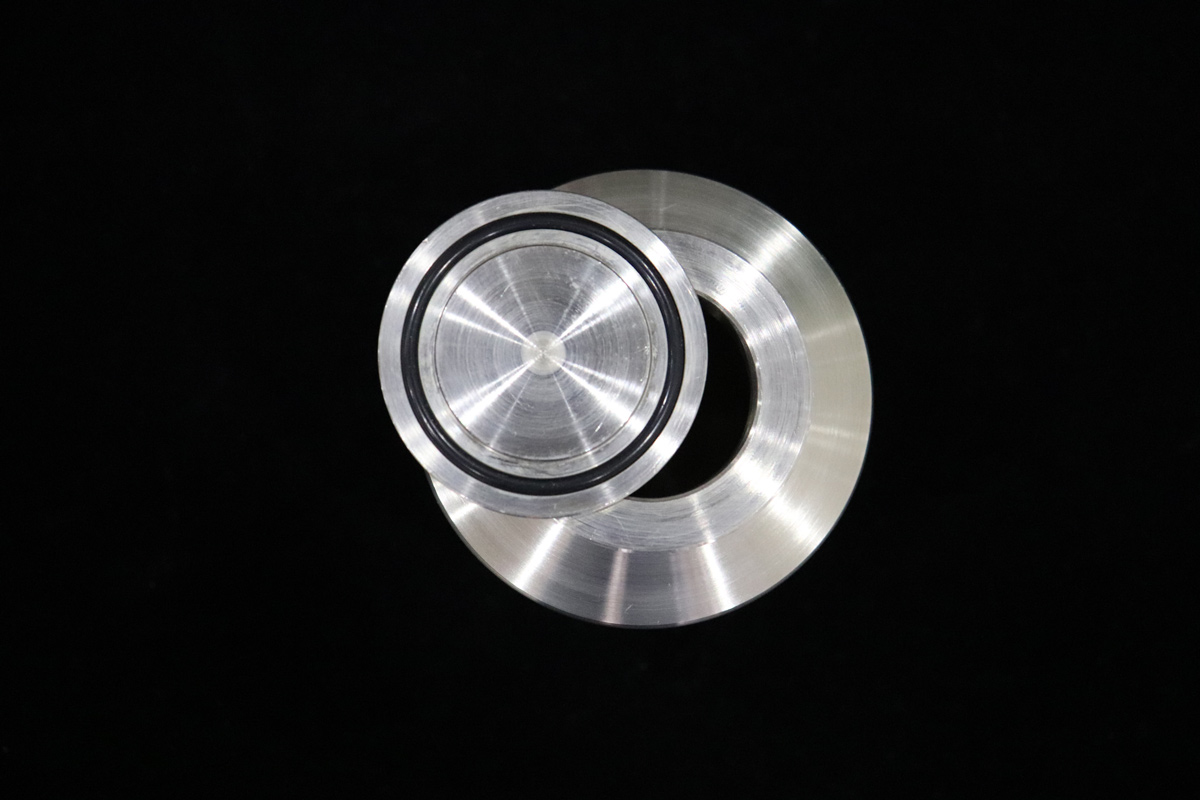
Stainless steel roll mill jars are typically constructed from high-purity grades such as SUS 304 or SUS 316 stainless steel. These materials offer excellent corrosion resistance against a wide range of chemicals, including acidic and alkaline slurries, and they maintain structural integrity under high temperatures (up to 200°C, depending on the seal). The jar is equipped with a threaded or clamp-style lid with a silicone or PTFE gasket for a vacuum-tight seal. Some models feature a vacuum port to allow for filling with inert gas or evacuation of air before milling, which is essential for preventing oxidation or contamination.
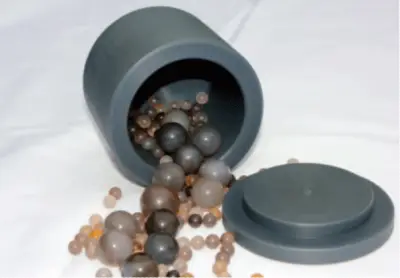
Compared to other roll mill jar materials like nylon, ceramic, or PTFE, stainless steel offers superior strength, wear resistance, and reusability. It is also easier to clean and sterilize, making it the preferred choice for high-throughput, multi-use environments.
Key Performance Indicators and Selection Criteria
When selecting a stainless steel roll mill jar, consider the following performance metrics:
- Capacity: Common sizes range from 50 mL to 20 L. Choose based on your batch size and mill roller spacing.
- Vacuum capability: A vacuum-tight lid is essential for oxygen-sensitive materials. Confirm the sealing method (silicone, PTFE, or O-ring).
- Surface finish: A smooth inner surface (Ra ≤ 0.8 μm) minimizes material sticking and simplifies cleaning.
- Corrosion resistance: For acidic or alkaline slurries, opt for SUS 316 over SUS 304.
- Maximum RPM: Ensure the jar is balanced for the rotational speeds of your mill to avoid vibration or damage.
- Compatibility: Verify that the jar fits the roller spacing and diameter of your roll ball mill. Most standard jars have an outer diameter of 80–350 mm.
Applications and Recommendations
Stainless steel roll mill jars are widely used in industries such as battery material research (e.g., LiFePO₄, NMC), ceramic powder preparation, pigment grinding, metal powder alloying, and pharmaceutical formulation. They are ideal for both laboratory R&D and small-scale production where contamination control and batch consistency are critical.
For users who need heavy-duty, repetitive milling of abrasive materials, a stainless steel jar is the best choice. If your application requires extremely high purity (e.g., absence of metal ions), consider a ceramic or PTFE jar instead. For general-purpose milling of non-corrosive materials, the nylon or PU jars offer a cost-effective alternative.
References
Related Products
Get In Touch
Our professional team will reply to you within one business day. Please feel free to contact us!