

What is a Purification System Box? A Glove Box for Inert Atmosphere Processing
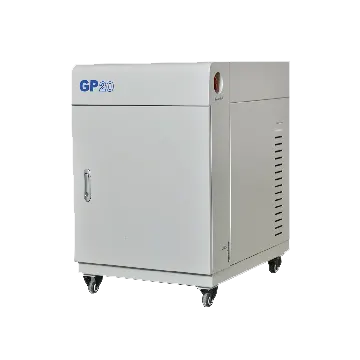
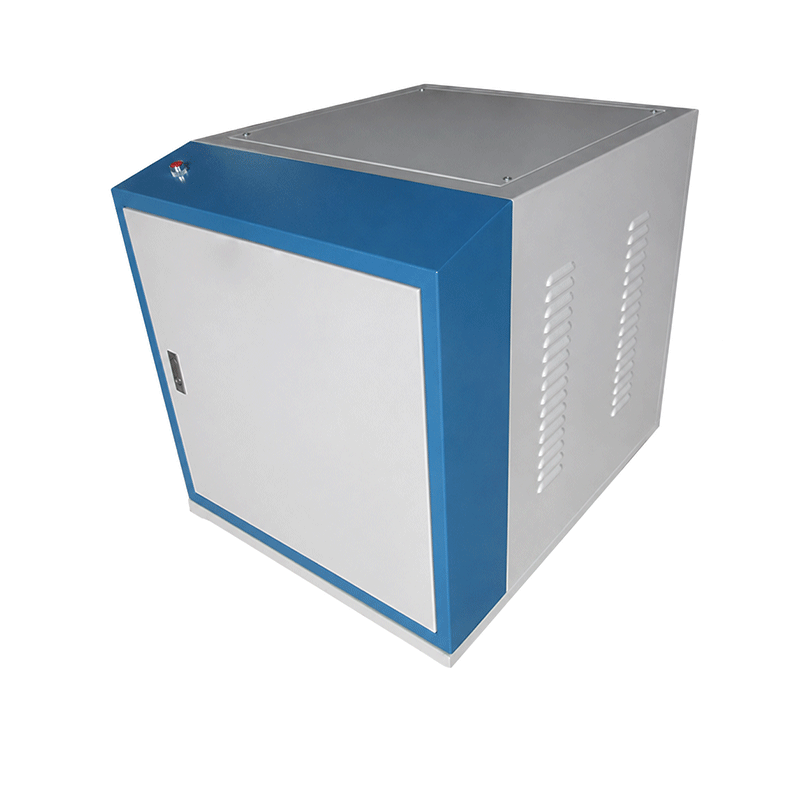
From its core, a purification system box is a specialized sealed enclosure that integrates a glove box with a gas purification loop. Laboratories, pilot lines, and production teams use it to create and maintain an inert atmosphere, typically nitrogen or argon, so that oxygen- and moisture-sensitive materials can be handled, processed, stored, or tested without exposure to ambient air. A purification system box is not a simple plastic glove bag or a basic vacuum chamber. It is an engineered system that continuously circulates internal gas through purification media, removes reactive contaminants, and returns clean gas to the working chamber. The result is a controlled microenvironment where oxygen and humidity can be kept low enough for demanding work in battery research, nanomaterials, OLED development, powder metallurgy, and pharmaceutical formulation. The Purification system box from TENCAN is an example of this equipment category, designed for glove-box workflows that require a stable inert atmosphere.
Core Functions and Working Principle
A purification system box performs two connected tasks: it isolates the working volume from the outside environment, and it actively cleans the gas inside that volume. The enclosure provides a physical barrier. The purification loop provides chemical control. Together they turn an ordinary sealed box into a dynamic inert-atmosphere workstation.
From Ambient Air to Inert Atmosphere
The process begins with removing ambient air from the chamber. In many systems, the main antechamber is evacuated and refilled with inert gas several times. Each vacuum-purge cycle dilutes oxygen, moisture, and other reactive gases. After the initial exchange, the internal atmosphere is still not clean enough for critical work. The purification system then takes over. A blower pulls gas from the glove box, pushes it through a purification column, and returns it to the chamber. This closed-loop circulation continues until the oxygen and moisture levels fall to the target range.
Continuous Gas Circulation
Continuous circulation is the heart of the purification system box. The gas loop usually includes a blower, piping, valves, a purification column, and sensors. Gas enters the purification column, where it contacts materials that remove oxygen and moisture. Oxygen is typically removed by a catalyst that promotes reaction with hydrogen or by a copper-based getter, depending on the system design. Moisture is removed by molecular sieve or another desiccant. After purification, the gas returns to the glove box. Because the loop runs continuously, contaminants that enter through gloves, antechambers, or small leaks are steadily removed rather than accumulating.
Purification and Regeneration
Purification media have a finite capacity. When the catalyst or molecular sieve becomes saturated, the system must be regenerated. Regeneration usually involves heating the purification column while passing a regeneration gas through it. This drives off collected moisture and restores the active sites. The oxygen-removal catalyst may also require a reducing gas mixture during regeneration. Regeneration is a scheduled maintenance step, not a daily operation. The interval depends on how much oxygen and moisture enters the box, how often the antechamber is used, and the cleanliness of the gloves and materials brought inside.
Process Parameters That Matter
Several parameters determine how well a purification system box performs. The internal oxygen and moisture setpoints define the atmosphere quality. The circulation flow rate affects how quickly contaminants are carried to the purification column. The regeneration cycle length and temperature influence how fully the media are restored. The antechamber purge protocol controls how much air enters with each transfer. Finally, the leak rate of the enclosure sets the baseline contamination load. A well-sealed box with a properly sized purification loop can recover quickly after a transfer, while a leaky box forces the purification system to work harder and shortens media life.
Main Types and Configurations
Purification system boxes are available in several configurations. The right choice depends on the size of the parts to be handled, the required atmosphere purity, the frequency of material transfer, and the level of automation needed. Most systems share the same basic architecture, but they differ in chamber construction, purification capacity, and control features.
Standard Purification System Boxes
A standard purification system box is a compact unit with a single glove port pair, a small antechamber, and an integrated purification loop. It is suitable for research laboratories that need a reliable inert atmosphere for modest workloads. Typical tasks include preparing air-sensitive samples, assembling small battery cells, weighing hygroscopic powders, and storing reactive chemicals. The compact footprint makes it easier to place on a bench or in a small cleanroom.
Integrated Glove Box with Purification System
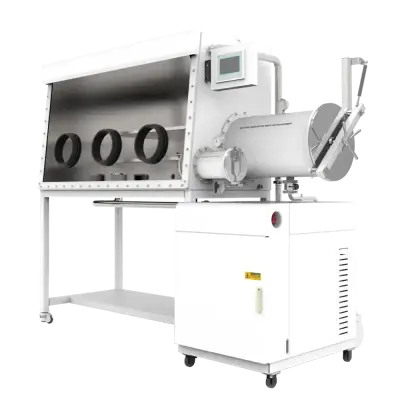
An integrated glove box with purification system combines a larger working chamber with a higher-capacity purification unit. These systems often include two or more glove ports, a wide viewport, a larger antechamber, and sometimes a mini antechamber for small items. They are used when users need to work with larger fixtures, multiple samples, or processes that generate more contamination. The purification column may be larger, and the blower may run at a higher flow rate to maintain atmosphere quality during frequent transfers.
Custom and Application-Specific Enclosures
Custom purification system boxes are built for specific processes. A battery laboratory may need extra feedthroughs for electrical testing. A nanomaterial group may require a vacuum oven inside the loop or a special port for a ball mill jar. A pharmaceutical team may need cleanable surfaces and solvent-resistant gloves. Customization can include stainless steel construction, anti-static panels, gas analyzers, solvent traps, and automated pressure control. The purification loop is then sized to match the chamber volume and the expected contamination load.
Key Components and Technologies
Understanding the main components helps users compare systems and plan maintenance. A purification system box is more than a box with gloves. Each subsystem contributes to atmosphere stability and operator safety.
Glove Ports, Viewports, and Transfer Antechamber
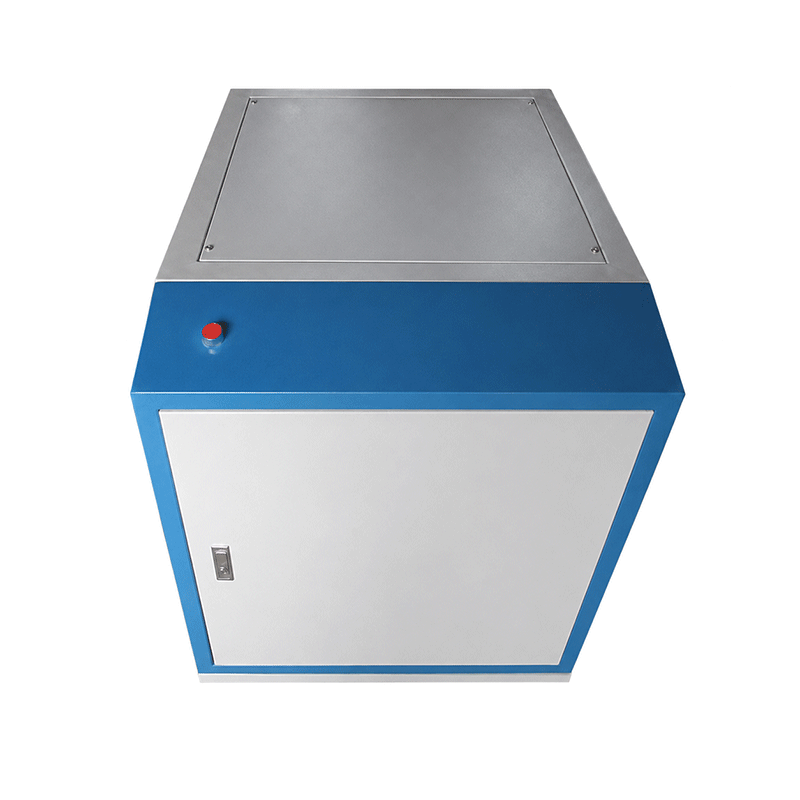
The glove ports allow the operator to manipulate materials without breaking the atmosphere. Gloves are usually made from butyl, neoprene, or hypalon, depending on chemical compatibility and flexibility. The viewport provides visibility and may include a safety glass or polycarbonate pane. The antechamber is the main entry and exit point for samples and tools. It is evacuated and refilled with inert gas to avoid introducing air. A well-designed antechamber has a door that seals reliably, a vacuum gauge, and a purge control that is easy to follow.
Gas Circulation Loop and Blower
The circulation loop moves gas from the glove box to the purification column and back. The blower must provide enough flow to mix the chamber atmosphere and carry contaminants to the media, but it must also be quiet and reliable. Piping is usually stainless steel or high-quality polymer. Valves isolate the column during regeneration and allow maintenance without exposing the box to air. A bypass line may be included for purging or for rapid recovery after a large transfer.
Purification Column: Catalyst and Molecular Sieve
The purification column is the active core of the system. It contains materials that remove oxygen and moisture. Oxygen removal may use a catalyst that reacts oxygen with hydrogen to form water, which is then adsorbed. Alternatively, a copper catalyst can bind oxygen directly. Moisture removal uses molecular sieve, which has a high affinity for water and can reduce humidity to very low levels. The column is designed for uniform gas contact and easy replacement or regeneration. The choice of media affects the achievable purity, the regeneration procedure, and the operating cost.
Sensors, Controller, and Regeneration Unit
Sensors monitor oxygen and moisture continuously. The controller displays readings, controls the blower and valves, and manages the regeneration cycle. Many controllers include alarms, data logging, and user access levels. The regeneration unit provides the heat and gas flow needed to restore the purification media. Automatic regeneration reduces operator error and makes maintenance more predictable. Manual systems cost less but require more attention and experience.
Pressure and Vacuum Control
Pressure control keeps the chamber slightly positive relative to the outside, which helps prevent air ingress. Vacuum control is used for antechamber purging and for some processes inside the box. A purification system box may include pressure gauges, vacuum pumps, solenoid valves, and safety interlocks. Proper pressure management protects the gloves, the viewport, and the purification column from damage.
Key Performance Indicators and Selection Points
When selecting a purification system box, buyers should look beyond chamber size. The most important indicators are atmosphere purity, recovery speed, sealing integrity, working capacity, automation, and maintenance requirements.
Atmosphere Purity and Recovery Time
Atmosphere purity is usually described by oxygen and moisture levels. Many demanding applications require levels in the low parts-per-million range, while less sensitive work can tolerate higher levels. Recovery time is how long the system takes to return to the setpoint after a transfer or a door opening. A smaller chamber with a well-matched purification loop may recover faster than a large chamber with an undersized column. Users should define the required purity and the acceptable recovery time before choosing a model.
Sealing Integrity and Leak Rate
Leak rate is a critical but often overlooked specification. Even a small leak creates a continuous load on the purification system. Welded stainless steel chambers generally have lower leak rates than modular designs with many gaskets. Gloves, door seals, and feedthroughs are common leak points. A leak test should be part of commissioning and routine maintenance. Lower leak rates mean longer regeneration intervals and more stable atmosphere conditions.
Working Capacity and Ergonomics
Working capacity includes chamber dimensions, glove port spacing, viewport size, and antechamber volume. Operators need enough room to handle samples, tools, and equipment without excessive reaching. Glove port height and angle affect comfort during long sessions. A large antechamber speeds up material transfer but requires more purge gas and time. A mini antechamber is useful for small items that are transferred frequently. Ergonomic design reduces fatigue and improves process consistency.
Automation, Monitoring, and Data Logging
Automation features make a purification system box easier to use and more reproducible. Automatic antechamber purge cycles reduce manual errors. Programmable regeneration schedules prevent missed maintenance. Data logging provides a record of oxygen and moisture levels, which is valuable for quality control and research documentation. Remote monitoring and alarms help protect valuable samples if conditions drift. For regulated environments, audit trails and user permissions may also be important.
Maintenance and Serviceability
Maintenance should be straightforward. Purification media need periodic regeneration or replacement. Gloves need inspection and eventual replacement. Door seals and gaskets should be checked for wear. Filters and solvent traps may need cleaning. A system with accessible components, clear manuals, and available spare parts will have lower downtime. Users should ask about regeneration gas requirements, power consumption, and the expected life of catalyst and sieve materials.
| Selection Factor | What to Check | Why It Matters |
|---|---|---|
| Atmosphere purity | Oxygen and moisture setpoints | Determines whether sensitive materials remain stable |
| Recovery time | Time to return to setpoint after transfer | Affects throughput and process reliability |
| Leak rate | Pressure decay test results | Controls contamination load and regeneration frequency |
| Chamber size | Dimensions, port spacing, viewport | Impacts ergonomics and sample capacity |
| Antechamber | Volume, vacuum cycles, purge control | Speeds up transfer and reduces air ingress |
| Purification capacity | Column size, media type, flow rate | Matches the system to the contamination load |
| Automation | Regeneration, alarms, data logging | Improves reproducibility and reduces operator error |
| Serviceability | Access, spare parts, manual clarity | Minimizes downtime and maintenance cost |
Applications and Selection Advice
Purification system boxes are used wherever air-sensitive materials must be handled without degradation. The list of applications continues to grow as new materials and processes demand stricter atmosphere control.
Battery and Energy Materials
Lithium metal, sulfide solid electrolytes, and many battery electrode materials react with moisture and oxygen. A purification system box allows researchers to assemble coin cells, pouch cells, and test fixtures in a controlled atmosphere. It also supports powder handling, electrolyte preparation, and post-mortem analysis. Stable inert conditions improve data quality and reduce safety risks.
OLED, Semiconductors, and Electronics
Organic light-emitting materials, quantum dots, and some semiconductor precursors are sensitive to oxygen and water. A purification system box provides the low-oxygen, low-humidity environment needed for deposition, encapsulation, and device testing. It can also protect sensitive metals and oxides during sample preparation.
Nanomaterials and Advanced Powders
Nanoparticles and high-surface-area powders may oxidize rapidly. A purification system box allows weighing, mixing, and packaging without exposing the powder to air. It is also useful for handling pyrophoric or hygroscopic powders. When combined with a ball mill or other processing equipment, the box can support integrated powder workflows.
Pharmaceutical and Biological Samples
Some active pharmaceutical ingredients and biological samples are sensitive to humidity or oxygen. A purification system box can provide a controlled environment for formulation, stability testing, and sample storage. Cleanable surfaces and compatible gloves are important in these applications.
Selection Advice for Different Users
Research laboratories with modest budgets should prioritize a reliable standard purification system box with good sealing, clear controls, and easy regeneration. Pilot and production teams should look for larger purification capacity, automation, and data logging. Users working with solvents need solvent traps and chemically compatible gloves. Users handling powders need anti-static features and good cleanability. In all cases, the purification system should be sized to the chamber volume and the expected transfer frequency. A system that is too small will struggle to maintain purity, while an oversized system may cost more without adding value.
Frequently Asked Questions
What is the difference between a glove box and a purification system box?
A glove box is the sealed enclosure with gloves that allows manual work in an isolated atmosphere. A purification system box includes the glove box plus an active gas purification loop. The purification loop removes oxygen and moisture continuously. Without purification, a glove box can only slow contamination, not remove it. The combination creates a dynamic inert atmosphere that can be maintained for long periods.
Which gases can be used in a purification system box?
Nitrogen and argon are the most common working gases. Nitrogen is widely used because it is cost-effective and suitable for many applications. Argon is denser and may be preferred when heavier gas blanketing is helpful or when nitrogen could react with the sample. The purification media and catalyst must be compatible with the chosen gas. Some systems can also use helium or mixed gases for specialized processes.
How often does the purification system need regeneration?
Regeneration frequency depends on the contamination load. Frequent antechamber use, high humidity in the surrounding air, leaky gloves, and wet samples all increase the load. A well-sealed system with careful transfer practices may need regeneration less often. Many controllers track cumulative oxygen and moisture exposure and indicate when regeneration is due. Users should follow the manufacturer's schedule and monitor atmosphere recovery as an early warning sign.
Can a purification system box handle solvents and powders?
Yes, but with preparation. Solvents can attack gloves and seals and can overload the purification media. Solvent traps, compatible gloves, and proper venting help. Powders can create dust and static, so anti-static features, grounded surfaces, and careful transfer procedures are useful. Users should review chemical compatibility and cleaning requirements before introducing new materials.
What maintenance is required?
Routine maintenance includes checking glove condition, inspecting door seals, verifying sensor calibration, and running leak tests. Purification media require regeneration or replacement according to the controller and manufacturer guidance. Filters, solvent traps, and vacuum pump oil may also need service. Keeping a maintenance log helps identify trends and prevent unexpected downtime.
How do I choose the right size?
Start with the largest item you need to manipulate inside the chamber. Add space for tools, sample holders, and movement. Then consider how often you transfer materials. A larger antechamber improves throughput but increases purge time and gas use. A smaller chamber with a well-matched purification loop may be more efficient for frequent small transfers. The product page for the Purification system box provides a starting point for matching the enclosure to your application.
Where to Learn More
The purification system box is a practical solution for any laboratory or production process that cannot tolerate oxygen and moisture. By combining a sealed glove box with continuous gas purification, it protects sensitive materials, improves experimental reproducibility, and supports advanced manufacturing. To explore the product and its configuration options, visit the Purification system box page. Review your required atmosphere purity, transfer frequency, and material compatibility, then select a system with the right chamber size, purification capacity, and automation level for your work.
Related Products
Get In Touch
Our professional team will reply to you within one business day. Please feel free to contact us!