
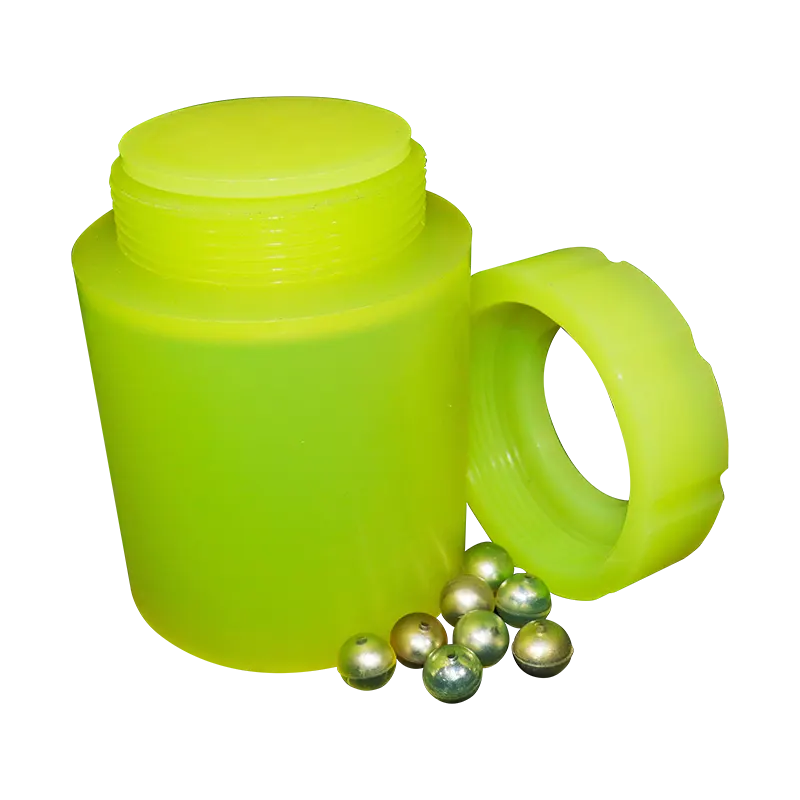
What is a PU Roll Mill Jar? A Wear-Resistant, Low-Contamination Grinding Jar for Wet Milling

What is a PU Roll Mill Jar?
At its core, a PU roll mill jar is a specialized container used in roll ball mills (also called jar mills or roller mills) for grinding, mixing, and dispersing fine powders and slurries. It is made from high-quality polyurethane (PU), a material known for its outstanding wear resistance, elasticity, and chemical stability. Laboratories and small-scale production facilities use PU jars to process materials that are sensitive to metal contamination, such as high-purity ceramics, electronic materials, pigments, and pharmaceutical powders. Unlike metal jars, PU jars do not introduce metallic impurities during grinding, making them indispensable in applications where product purity is paramount.
Working Principle and Core Function
The PU roll mill jar operates as part of a roll ball mill system. The jar is placed on rotating rollers, and the friction between the jar and the rollers causes the jar to rotate continuously. Inside the jar, grinding media (such as ceramic balls, zirconia balls, or agate balls) collide with and shear the material, reducing particle size. The PU material’s inherent elasticity provides a cushioning effect that reduces noise and vibration while also protecting the jar from cracking under high-impact milling conditions.
The grinding process can be performed either dry or wet. Wet grinding is particularly common with PU jars because the liquid medium (water, alcohol, or organic solvents) helps disperse particles and prevents agglomeration. The polyurethane lining is chemically inert to most solvents and acidic or alkaline slurries, ensuring long service life. The final particle size distribution is controlled by adjusting milling time, rotational speed, ball-to-material ratio, and the size of grinding media.
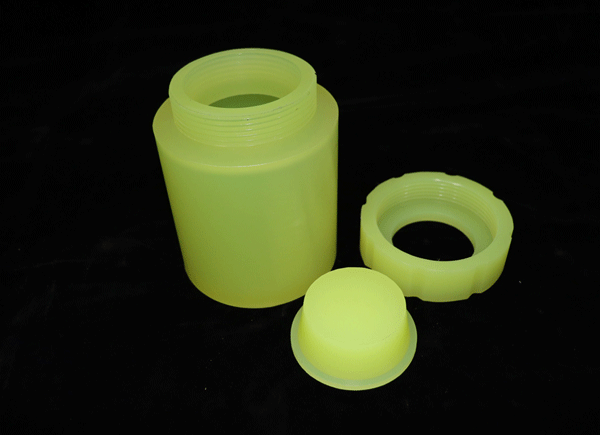
Key Features of PU Roll Mill Jars
Compared to other materials like nylon, stainless steel, or ceramic, PU rods offer unique advantages:
- Wear resistance: Polyurethane has a low coefficient of friction and high abrasion resistance, resulting in longer jar life even when grinding hard materials.
- Low contamination: PU jars do not release metal ions or other impurities into the sample, preserving the chemical integrity of the material being ground.
- Chemical resistance: PU withstands a wide range of organic solvents, dilute acids, and alkalis, making it suitable for diverse wet milling processes.
- Noise reduction: The elastic nature of PU absorbs vibration, reducing operational noise compared to metal or ceramic jars.
- Light weight: PU jars are significantly lighter than metal jars, easing handling and reducing load on the mill motor.
Key Performance Indicators and Selection Criteria
When choosing a PU roll mill jar for your application, consider the following factors:
1. Capacity and Dimensions
PU jars are available in various capacities, typically from 0.5 liters to 10 liters or more. Select a jar volume that matches your batch size and mill specifications. Ensure the jar’s outer diameter fits the roller spacing of your roll ball mill.
2. Maximum Rotational Speed
PU jars are designed for specific speed ranges. Exceeding the maximum recommended speed can cause excessive wear or deformation. Always check the manufacturer’s guidelines for critical speed.
3. Temperature Tolerance
Polyurethane has a typical working temperature range of -20°C to 80°C. For applications involving heat generation (e.g., long continuous grinding), ensure the jar’s temperature limit is not exceeded, or choose a material with higher thermal stability like PTFE or ceramic.
4. Compatibility with Grinding Media
PU jars can be used with various grinding media, including zirconia, agate, corundum, and stainless steel balls. However, avoid using very sharp or heavy media that may puncture the PU lining. For heavy-duty grinding, consider multi-layer reinforced PU jars.
5. Sealing and Leak Prevention
Wet milling requires a tight seal to prevent slurry leakage. PU jars typically come with a lid and gasket. Check the sealing mechanism – some designs include a screw-lock lid or a quick-clamp system. For pressure or vacuum applications, special sealed versions are available.
Application Fields and Selection Advice
PU roll mill jars are widely used in the following industries:
- Advanced ceramics – grinding of alumina, zirconia, silicon nitride powders without metal contamination.
- Pigments and inks – dispersion and fine grinding of color pigments for paints, coatings, and printing inks.
- Pharmaceuticals – milling of active pharmaceutical ingredients (APIs) and excipients where purity is critical.
- Electronics – processing of battery materials, phosphors, and conductive pastes.
- Chemical and material research – general laboratory-scale milling of small batches for R&D projects.
Selection suggestion: If your priority is minimizing contamination and you work with organic solvents or slightly abrasive materials, a PU roll mill jar is an excellent choice. For high-temperature milling or extremely abrasive materials (e.g., quartz, corundum), consider ceramic or tungsten carbide jars instead.
References
Related Products
Get In Touch
Our professional team will reply to you within one business day. Please feel free to contact us!