
What is a Nylon Roll Mill Jar? A Durable Milling Container for Contamination-Free Wet and Dry Grinding

Introduction
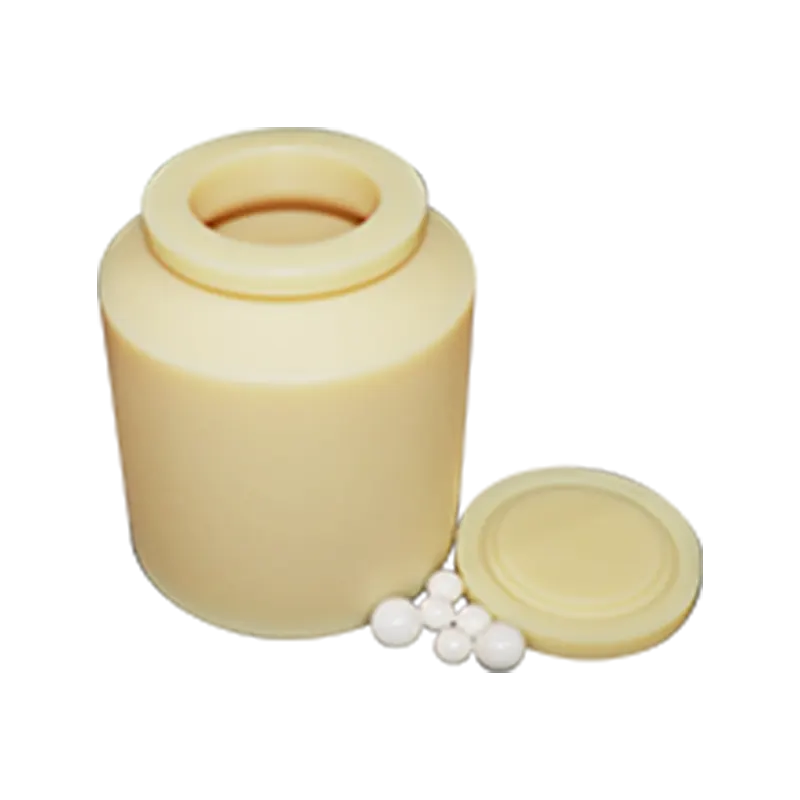
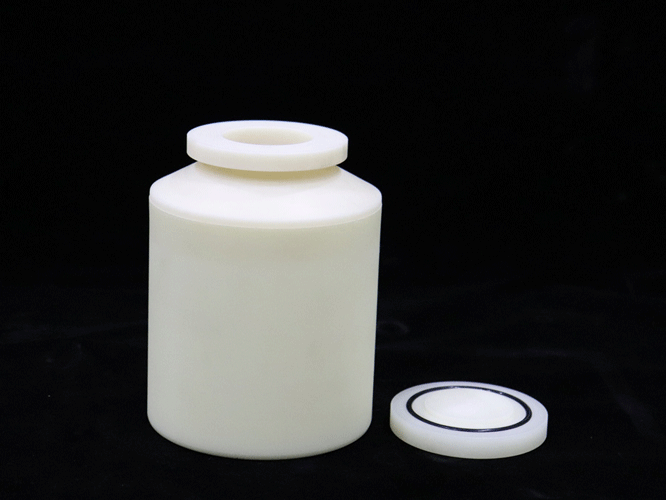
From the core, a nylon roll mill jar is a professional milling container designed for use with roller ball mills (also known as jar mills). Laboratories and small-scale production facilities use it to grind, mix, and homogenize materials in both wet and dry conditions. The jar is made of high-quality nylon, offering an excellent balance of mechanical strength, wear resistance, and chemical inertness, making it a preferred choice for applications where contamination from metal ions must be avoided.
Core Function and Working Principle
Nylon roll mill jars are cylindrical containers that rotate on a roller mill's drive rollers. The jar is filled with grinding media (such as balls or rods) and the material to be processed. As the jar rotates, the grinding media are lifted and then cascade or tumble, creating impact and shear forces that break down the material into finer particles.
The key working parameters include rotational speed, jar size, and the type and size of grinding media. The nylon material itself contributes to the process by providing a smooth internal surface that reduces wear and minimizes contamination. Unlike metal jars, nylon does not introduce metallic impurities, which is critical for sensitive applications like pharmaceuticals, ceramics, and electronic materials.
Key Features of Nylon Roll Mill Jars
1. Material Properties
Nylon (polyamide) offers high tensile strength, excellent abrasion resistance, and good impact resistance. It is also resistant to many chemicals, oils, and solvents, making it suitable for a wide range of materials. The self-lubricating nature of nylon reduces friction between the jar and the grinding media, resulting in quieter operation and longer service life.
2. Design and Construction
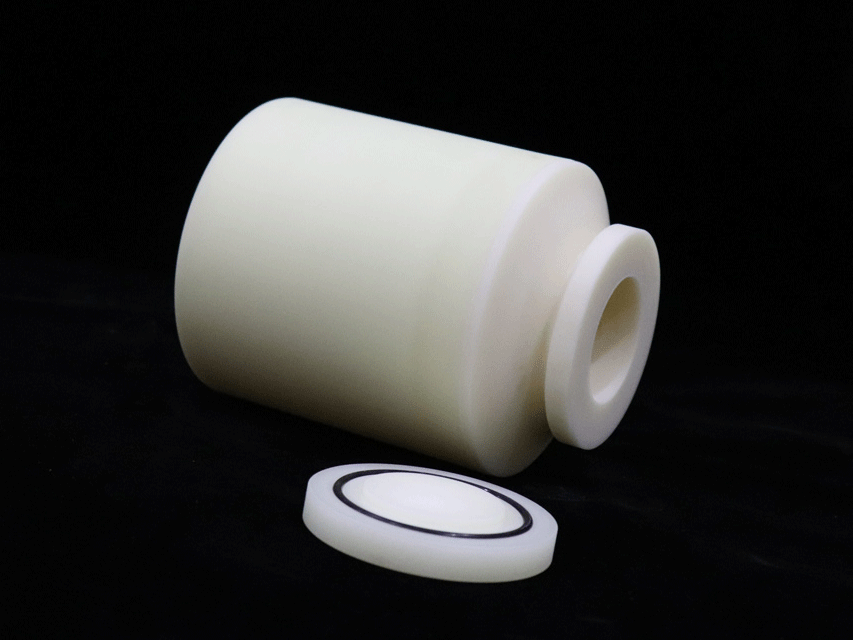
Nylon roll mill jars are typically precision-machined to ensure a uniform wall thickness and a smooth interior surface. The lids are designed with sealing gaskets to prevent leakage during wet grinding. Many models feature a reinforced rim for secure clamping and easy handling. The jars are available in various capacities, from small laboratory sizes (e.g., 0.5L) to larger production volumes (e.g., 20L).
Performance Indicators and Selection Guide
When selecting a nylon roll mill jar, consider the following key performance indicators:
- Capacity: Choose a jar size that matches your batch volume. Common capacities range from 0.5 L to 20 L. Larger jars reduce the number of batches but require more powerful roller mills.
- Wall Thickness: Thicker walls provide better durability and noise reduction, but reduce the effective internal volume. Standard jars have a wall thickness of 5–10 mm.
- Chemical Compatibility: Nylon is resistant to many chemicals, but verify compatibility with your specific solvents or corrosive materials. For aggressive chemicals, PTFE or polyurethane jars may be better.
- Temperature Resistance: Nylon can withstand operating temperatures up to about 80°C (176°F). For processes that generate heat, consider using a cooling system or selecting a jar material with higher thermal tolerance.
- Sealing System: A reliable lid with a gasket is essential for wet grinding to prevent leaks. Some jars offer quick-release clamps or threaded closures.
- Compatibility with Roller Mills: Ensure the jar's outer diameter and length fit the rollers of your specific roller mill. Most standard jars are designed for common models.
Applications and Recommendations
Nylon roll mill jars are widely used in:
- Pharmaceuticals: Grinding active ingredients and excipients without metal contamination.
- Ceramics and Glass: Preparing ceramic powders, glazes, and pigments.
- Electronics: Milling ferrites, piezoelectric materials, and battery materials.
- Paints and Coatings: Dispersing pigments and fillers in liquid media.
- Food and Agriculture: Grinding spices, grains, and other organic materials.
For users who need to process abrasive materials or require extremely high purity, a nylon jar is an excellent choice. If your materials are highly corrosive or require high-temperature processing, consider alternatives like stainless steel roll mill jars or PTFE roll mill jars. For general laboratory use, nylon offers the best combination of cost, durability, and purity.
References
Related Products
Get In Touch
Our professional team will reply to you within one business day. Please feel free to contact us!