

What is a Lab Roll Ball Mill? A Versatile Drum Ball Mill for Laboratory Wet and Dry Grinding
Introduction
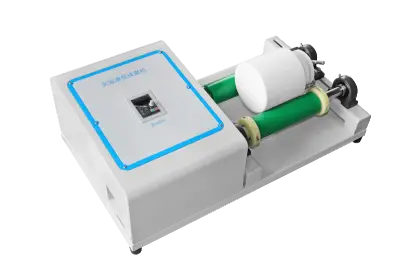
From the core, a lab roll ball mill is a specialized drum ball mill used by research laboratories, universities, and small-scale production facilities to grind, mix, and homogenize powders and suspensions. It operates by rotating a cylindrical jar (or multiple jars) on a set of powered rollers, causing the grinding media inside to cascade and impact the material. This simple yet effective mechanism enables particle size reduction down to the micron or even submicron level, making it a staple for material science, chemistry, ceramics, and battery material development.
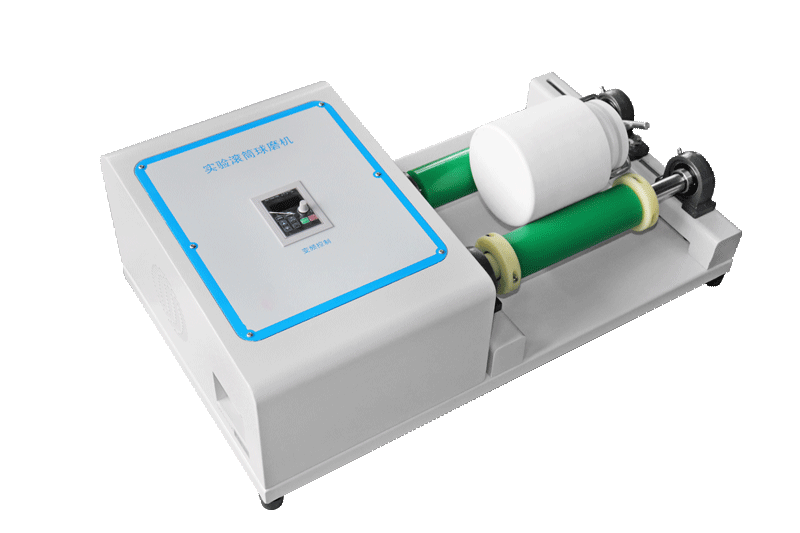
Core Function and Working Principle
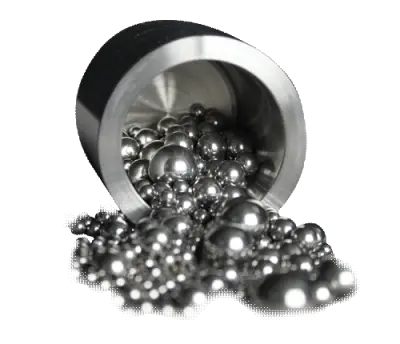
The fundamental function of a lab roll ball mill is to transform coarse particles or agglomerates into a fine, uniform powder. The process relies on the tumbling action inside a sealed jar. As the jar rotates on the rollers, the grinding media (typically balls made of zirconia, alumina, agate, or stainless steel) are lifted by friction and centrifugal force to a certain height before falling back. This creates a combination of impact (from the falling balls) and attrition (from the rubbing between balls and jar wall), effectively breaking down the material.
Key process parameters that influence grinding efficiency include rotation speed (typically 50-300 RPM), jar filling ratio (30-50% of jar volume for grinding media), and grinding time. The speed should be carefully selected to avoid the "centrifuging" effect where the media sticks to the wall and no grinding occurs. Many lab roll ball mills offer variable speed control to optimize the grinding for different materials. Additionally, the mill can perform both dry and wet grinding, with wet grinding often producing finer particles due to the lubricating effect of the liquid medium.
Main Types of Lab Roll Ball Mills
Lab roll ball mills come in several configurations to suit different throughput, jar capacity, and material requirements:
Light-Duty Roll Ball Mill
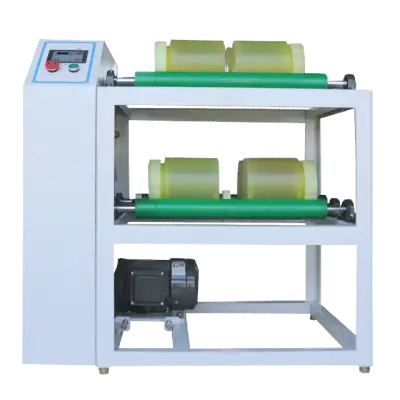
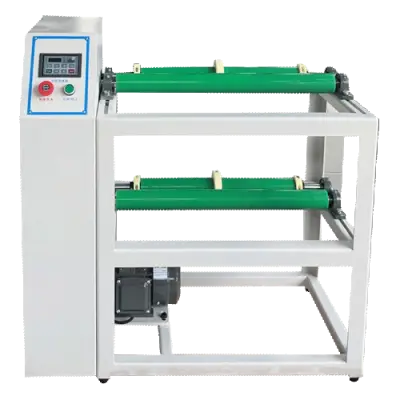
Designed for small batches (typically up to 5-10 L jar capacity), these mills have a compact footprint and lower motor power. They are ideal for occasional use or for grinding soft to medium-hard materials such as pigments, chemicals, and pharmaceutical powders. The light-duty roll ball mill is cost-effective and easy to clean.
Large Roll Ball Mill
For larger volume requirements, the large roll ball mill can accommodate jars from 20 L to 100 L or more. It features a stronger motor, heavy-duty rollers, and often includes a safety guard. This type is suitable for pilot-scale production or when processing larger quantities of material like minerals, ores, or ceramic slurries.
Inner Lined Roll Ball Mill
The inner lined roll ball mill has a rubber or polyurethane lining inside the jar to reduce metal contamination and noise. It is particularly useful for grinding materials that are sensitive to contamination, such as high-purity ceramics or electronic materials.
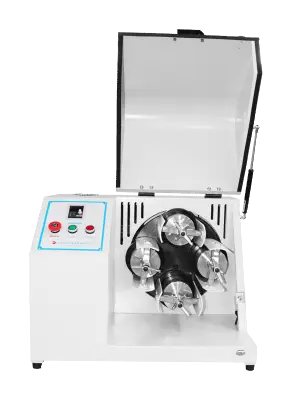
Multi-Station Jar Mills
These mills can hold two, four, or eight jars simultaneously, allowing parallel processing of different samples under identical conditions. Options include the two working station jar mill, four station jar mill, and jar mill with 8 working station. They are ideal for high-throughput labs or for comparing grinding results of different formulations.
Key Performance Indicators and Selection Criteria
When selecting a lab roll ball mill, consider the following critical parameters:
- Processing Capacity: Determine the typical sample volume you need to grind. Choose a mill that can accommodate the required jar size(s). For example, a light-duty mill handles 0.5-5 L jars, while a large mill can handle up to 100 L jars.
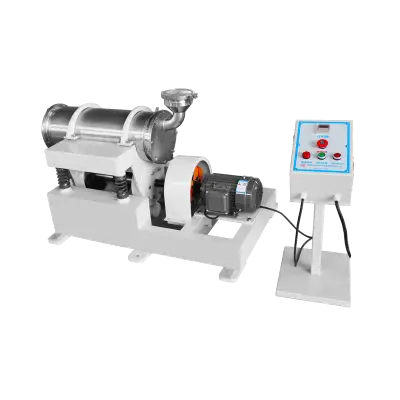
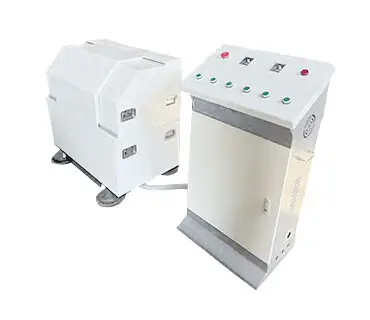
- Particle Size Control: The achievable fineness depends on grinding media size, rotation speed, and time. Most lab roll ball mills can produce particles down to 1-10 microns, and with extended grinding, submicron sizes are possible. The screening ball mill combines grinding with sieving for precise control of final particle size distribution.
- Speed Control: Variable speed (typically 50-300 RPM) is essential for optimizing the grinding process. Digital speed display and timing functions are beneficial for reproducibility.
- Material Compatibility: The jar and grinding media material must be chemically inert and non-contaminating. Common jar materials include stainless steel, alumina, agate, nylon, PTFE, and polyurethane. For abrasive materials, inner lined jars reduce wear and contamination.
- Automation and Safety: Some models offer programmable timers, automatic stop, and safety interlocks. For continuous operation, consider models with cooling fans or thermal protection.
- Ease of Maintenance: Rollers should be easy to clean and replace. Jars should be simple to seal and open. The mill's design should allow quick access to the rollers and motor.
Application Fields and Selection Advice
Lab roll ball mills are widely used in materials science, geology, metallurgy, electronics, ceramics, chemical engineering, and pharmaceuticals. Typical applications include grinding of ceramic powders, battery electrode materials (e.g., LiCoO2, graphite), mineral ores, pigments, catalysts, and pharmaceutical excipients.
For a general-purpose lab requiring occasional grinding of small samples (up to 5 L), a light-duty roll ball mill with a set of ceramic or stainless steel jars is a cost-effective choice. For labs that need to process multiple samples simultaneously, a multi-station jar mill (e.g., four station jar mill) improves throughput. For pilot-scale production or larger volumes, a large roll ball mill with heavy-duty construction is recommended. If contamination control is critical, choose an inner lined mill or use high-purity jars like agate or zirconia.
References
Related Products
Get In Touch
Our professional team will reply to you within one business day. Please feel free to contact us!