
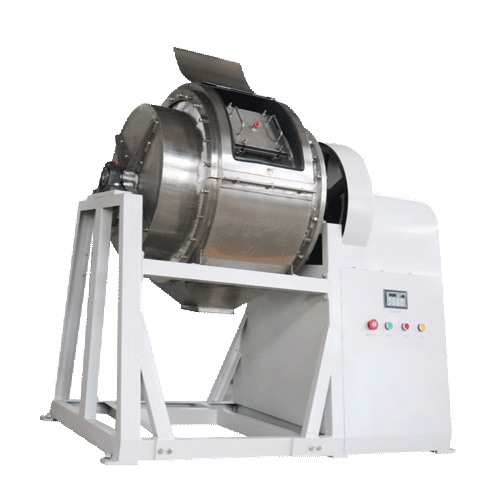
What is an Inner Lined Roll Ball Mill? A Versatile Grinding Equipment for Fine Powder Processing in Laboratories

What is an Inner Lined Roll Ball Mill?
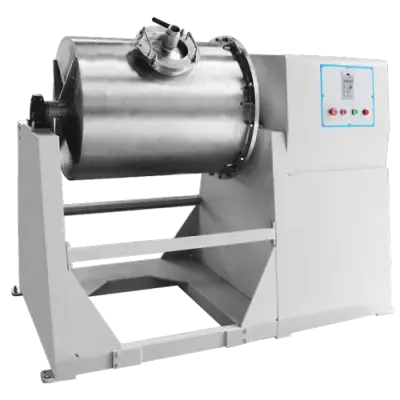
At its core, an inner lined roll ball mill is a type of drum ball mill specifically designed for fine grinding of materials in laboratory and small-scale production environments. It uses a rotating cylindrical drum filled with grinding media (such as steel balls, ceramic balls, or agate balls) and features a wear-resistant inner lining that protects the drum shell and prevents contamination of the ground product. Researchers and technicians in materials science, ceramics, pharmaceuticals, and mineral processing rely on this equipment to reduce particle sizes from coarse grains down to micron or even submicron levels.
Core Function and Working Principle
An inner lined roll ball mill transforms coarse feed materials into fine powders through impact and attrition. The drum is mounted on a set of rollers that rotate it at a controlled speed, typically between 50 and 300 revolutions per minute, depending on the drum diameter. As the drum rotates, the grinding media are lifted by centrifugal force and then cascade or cataract down, impacting the material trapped between them. The inner lining, often made of alumina, zirconia, polyurethane, or rubber, provides a smooth, durable surface that reduces wear on the drum and minimizes metal contamination, which is critical for high-purity applications.
The key process parameters include rotation speed, grinding media size and material, ball-to-powder ratio, and grinding time. Operating at 65% to 75% of the critical speed ensures optimal cascading action. If the speed is too high, the media stick to the drum wall due to centrifugation, reducing grinding efficiency. The inner lining also helps to achieve a narrower particle size distribution by providing a consistent impact environment.
Key Components and Lining Materials
Unlike standard roll ball mills, the inner lined version emphasizes the quality and versatility of its lining. The lining can be selected based on the material being ground:
- Alumina (Corundum) Lining: Suitable for grinding ceramics, glass, and metal oxides, offering high hardness and excellent wear resistance.
- Zirconia Lining: Ideal for very hard materials like advanced ceramics and electronic materials, providing superior toughness and low contamination.
- Polyurethane (PU) Lining: Used for soft or sticky materials, such as pharmaceuticals and pigments, because it reduces heat generation and prevents adhesion.
- Rubber Lining: Common in mineral processing for its resilience and ability to dampen noise and vibration.
The drum itself is typically made of stainless steel or carbon steel, and the lining is replaceable, extending the machine's service life. Grinding jars of various capacities (from 0.05L to 20L) can be used, and multiple working stations (1 to 8) are available for simultaneous processing of different samples.
Key Performance Indicators and Selection Criteria
When choosing an inner lined roll ball mill, consider the following factors:
- Processing Capacity: Determine the required batch volume. Models range from small bench-top units (0.5L per jar) to larger floor-standing mills (20L per jar).
- Particle Size Control: The final fineness depends on grinding time and media size. Most models achieve D50 < 1 micron with proper settings.
- Lining Material Compatibility: Ensure the lining does not react with the sample or introduce unwanted impurities. For example, alumina lining is chemically inert for most oxides.
- Speed Regulation: Variable speed drives allow adjustment from 50 to 400 rpm, giving flexibility for different materials.
- Noise and Vibration: Rubber-lined drums are quieter, while hard ceramic linings may require soundproofing.
- Ease of Cleaning: Removable jars and smooth linings simplify changeover between samples.
Application Areas and Selection Advice
Inner lined roll ball mills are widely used in research laboratories, pilot plants, and small-scale production across industries:
- Ceramics and Advanced Materials: For grinding alumina, zirconia, silicon carbide, and other hard materials.
- Pharmaceuticals and Nutraceuticals: For micronizing active ingredients without contamination.
- Mineral Processing: For grinding ore samples to liberation size for analysis.
- Electronics and Semiconductors: For preparing fine powders of ferroelectrics, piezoelectric materials, and battery precursors.
For users who need high purity and minimal contamination, a roll ball mill with a ceramic lining (e.g., alumina or zirconia) is recommended. For high-throughput applications, multi-station models (4 or 8 stations) are ideal. If noise reduction is a priority, consider a rubber-lined version. Always match the lining material to the sample's chemical properties to avoid reactions.
References
Related Products
Get In Touch
Our professional team will reply to you within one business day. Please feel free to contact us!