

What Is a Horizontal Light-Duty Ball Mill? A Lab Mill for Fine Powder Grinding
What Is a Horizontal Light-Duty Ball Mill?
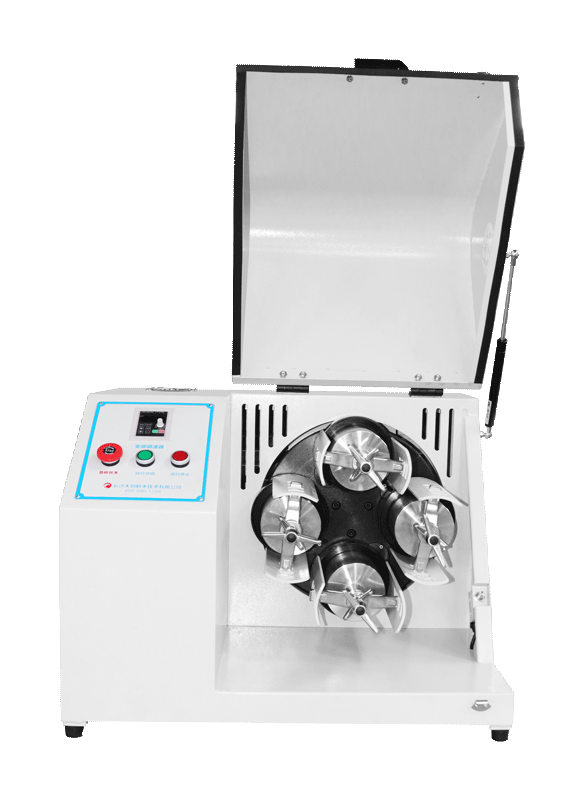
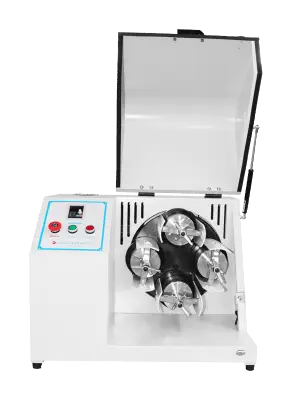
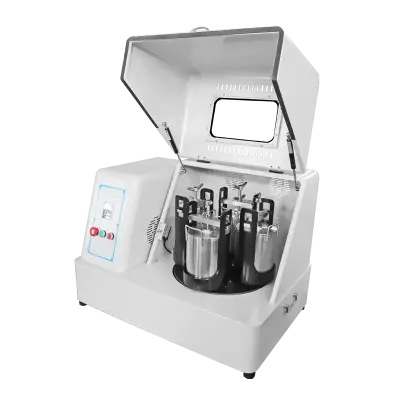
At its core, a horizontal light-duty ball mill is a small-scale grinding machine that uses a horizontally mounted rotating jar or cylinder and loose grinding media to turn coarse particles into fine powders. Laboratories, universities, and pilot plants use it for sample preparation, mixing, and materials research, especially for flexible batch grinding. “Light-duty” describes its design class: lower loads, easier jar handling, and bench- or floor-standing laboratory use. See the horizontal light-duty ball mill.
How the Mill Works
The jar contains the sample and media. As it rotates, the media are lifted and then tumble or fall onto the material, producing impact, compression, and shear. This action breaks down particles and blends the powder.
Fineness depends on media size and density, jar fill, rotation speed, grinding time, and sample properties. Smaller media or longer runs usually promote finer grinding, but too much energy can cause heat, contamination, or agglomeration. Heat-sensitive materials need short cycles and suitable jar materials.
Core Components and Design Features
Jar and grinding media
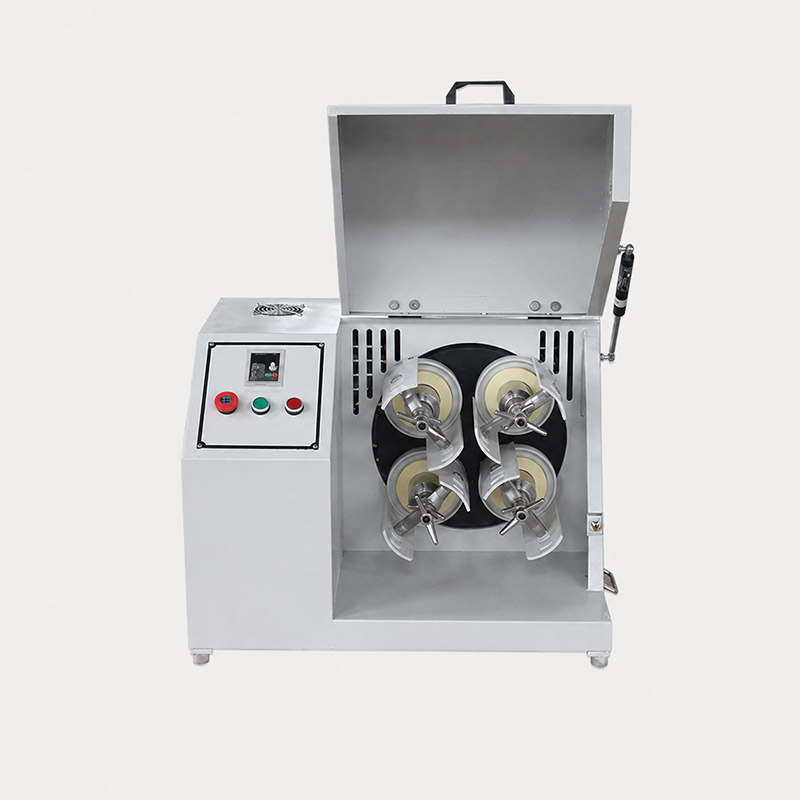
The jar holds the sample and media and is the main wear part. Its material should be matched to the sample to limit contamination. Easy sealing, loading, and cleaning are practical advantages in light-duty work.
Drive, controls, and safety
Horizontal mills support the jar on rollers or a driven cradle. Stable rotation and secure clamping affect repeatability and safety. Light-duty units usually emphasize simple speed control and quick jar exchange. Guards, emergency stops, and correct load limits are essential.
Key Performance Indicators and Selection Points
Match working volume to sample size: an oversized mill wastes time on small tests, while an undersized one limits throughput. Consider final particle size, grinding time, and contamination risk. Jar and media material also matter.
For long runs, check heat generation, drive stability, and ventilation. A timer and adjustable speed improve repeatability; manual controls may be enough for occasional teaching use. Review access to rollers, bearings, belts, and jars, and confirm that consumables are available. Follow the supplier’s load limits and operating instructions.
Applications and Selection Advice
These mills are used for sample preparation, powder mixing, ceramic and glass grinding, mineral testing, and research on pigments, catalysts, and battery materials. They suit small batches and controlled experiments, not high-throughput production.
For teaching or simple reduction, choose an easy-to-use model. For repeatable research, prioritize stable speed control, a timer, and suitable jar materials. For abrasive or contamination-sensitive samples, use dedicated wear-resistant jars and media. Check the product page and manufacturer’s manual before choosing a configuration.
Where to Learn More
Current configurations are listed on the horizontal light-duty ball mill product page. Always follow the supplier’s manual for installation, loading, operation, and maintenance.
Related Products
Get In Touch
Our professional team will reply to you within one business day. Please feel free to contact us!