

What is a Glove Box with Purification System? An Isolation Chamber Used for Air-Sensitive Material Handling and Synthesis
Opening Definition
At its core, a glove box with a purification system is a specialized laboratory isolation chamber designed to create and maintain a strictly controlled inert atmosphere. Researchers, chemists, and materials scientists use this equipment to handle, store, and synthesize substances that are highly reactive or sensitive to oxygen, moisture, and carbon dioxide. By combining physical barrier protection with continuous gas cleaning technology, it ensures experimental accuracy, preserves sample integrity, and safeguards personnel from hazardous exposures.
Core Functions & Working Principles
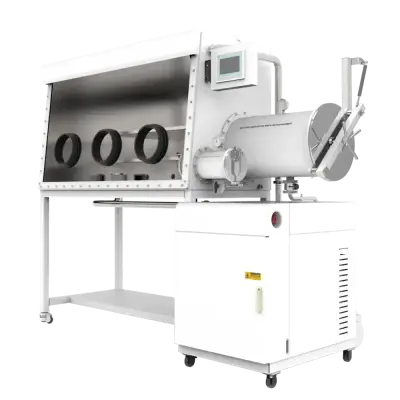
The fundamental purpose of this device is to replace ambient air with high-purity inert gases, such as nitrogen or argon, establishing a contamination-free workspace. Operators interact with internal samples through integrated rubber or nitrile gloves, eliminating direct contact with the outside environment. The defining feature of this system is its integrated purification unit, which operates on a closed-loop circulation principle. Internal air is continuously drawn through catalytic reactors and molecular sieve columns, where trace oxygen is reduced to water vapor via hydrogen reaction, and both moisture and residual oxygen are adsorbed or chemically neutralized.
This dynamic purification cycle maintains oxygen and humidity levels consistently below 1 part per million (ppm). Advanced models utilize automated mass flow controllers and real-time sensor feedback to adjust purge rates based on chamber pressure fluctuations. When materials are introduced or removed, the system automatically compensates by venting displaced gas and replenishing it with fresh inert atmosphere. This seamless balance prevents pressure buildup while sustaining long-term environmental stability.
Critical operational parameters include target purity thresholds, chamber volume, pressure regulation range, and regeneration frequency. Proper calibration of these variables directly influences experimental reproducibility, particularly in precision fields like battery electrode fabrication or organometallic synthesis, where microscopic moisture ingress can compromise material properties.
Key Components & Critical Technologies
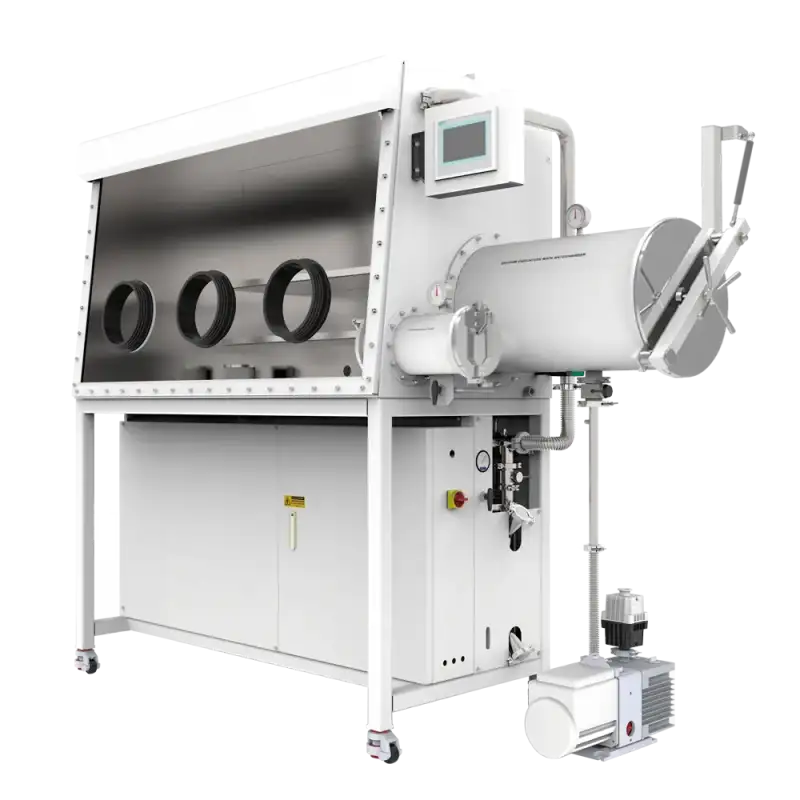
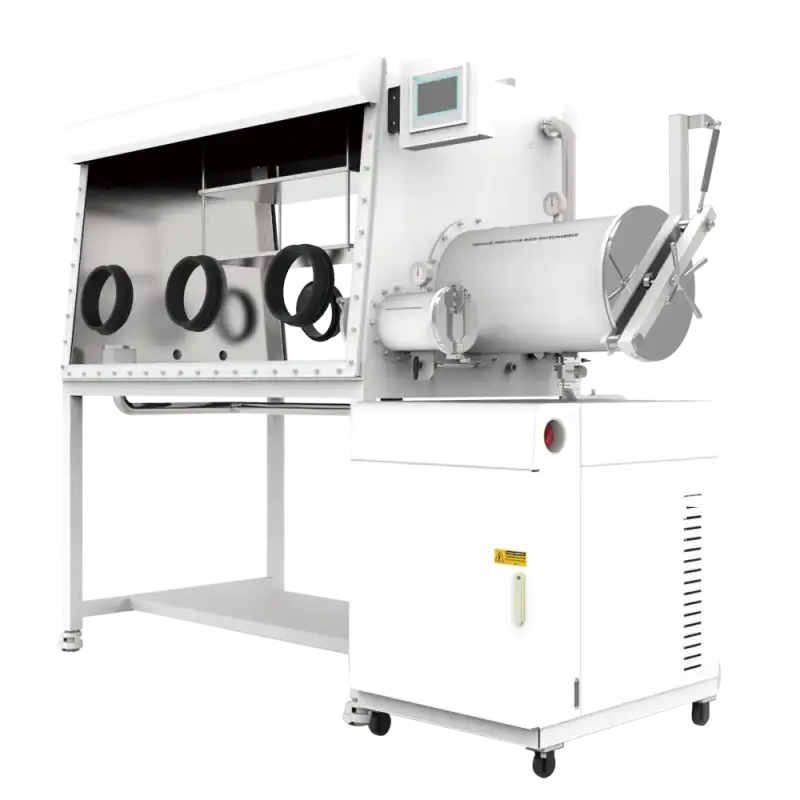
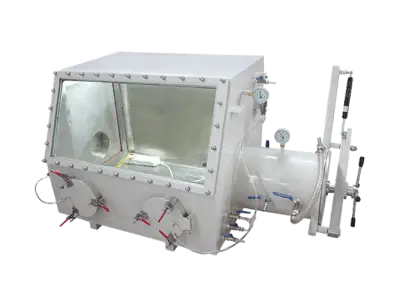
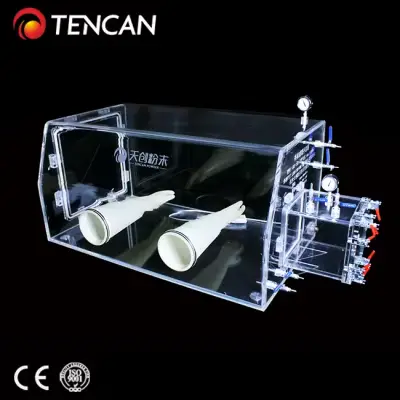
A standard Glove Box with Purification System integrates several engineered modules to function cohesively. The main enclosure is typically fabricated from corrosion-resistant stainless steel or optically clear acrylic, balancing durability with visual accessibility. Dual-port transfer hatches enable safe material exchange via vacuum desiccators or quick-seal valves. The purification tower houses dual-stage filtration media: catalytic beds for oxygen reduction and activated molecular sieves for moisture trapping. Supporting electronics include programmable logic controllers (PLCs), digital O2/H2O monitors, and variable-speed circulation fans. Optional upgrades often feature HEPA particulate filters, UV sterilization arrays, and explosion-proof electrical ratings for handling reactive powders.
Key Performance Indicators & Selection Points
When evaluating this equipment, buyers should prioritize measurable technical specifications. First, verify the ultimate achievable purity; premium units reliably sustain O2 and H2O concentrations under 0.1 ppm, which is essential for advanced nanomaterial research. Second, assess the effective working volume against your required equipment footprint and daily sample throughput. Third, examine the purification column regeneration speed and automatic bypass capability, as extended downtime during maintenance can interrupt continuous workflows.
Additional selection criteria encompass leak rate tolerance (ideally below 0.1% volume per day), pressure control precision (±5 Pa), and interface usability. Modern systems offer touchscreen PLC panels with historical data logging, remote network monitoring, and customizable purge sequences. Compatibility with auxiliary instruments, such as rotary evaporators, magnetic stirrers, or cryogenic cooling jackets, should also be confirmed prior to purchase. Maintenance accessibility, including filter replacement intervals and seal longevity, significantly impacts total cost of ownership.
Application Areas & Selection Advice
This isolation technology is extensively deployed across academic research institutions, lithium-ion battery development labs, semiconductor packaging facilities, pharmaceutical formulation centers, and advanced ceramics manufacturing. For routine handling of moderately air-sensitive compounds, a standard nitrogen-purified configuration provides reliable performance. However, laboratories processing pyrophoric materials, highly hygroscopic precursors, or conducting strict anaerobic reactions should invest in argon-filled variants equipped with redundant purification stages and certified explosion-proof components. Always align chamber dimensions, automation complexity, and certification standards with your specific regulatory requirements and long-term research objectives.
References
- Glove Box with Purification System: https://www.planetaryballmills.com/products/glove-box/glove-box-with-purification-system.html
- Acrylic Glove Box: https://www.planetaryballmills.com/products/glove-box/acrylic-glove-box.html
- Stainless Steel Vacuum Glove Box: https://www.planetaryballmills.com/products/glove-box/stainless-steel-vacuum-glove-box.html
Related Products
Get In Touch
Our professional team will reply to you within one business day. Please feel free to contact us!