
What is a Four Station Jar Mill? A Multi-Sample Drum Ball Mill for Laboratory Powder Grinding

What is a Four Station Jar Mill?
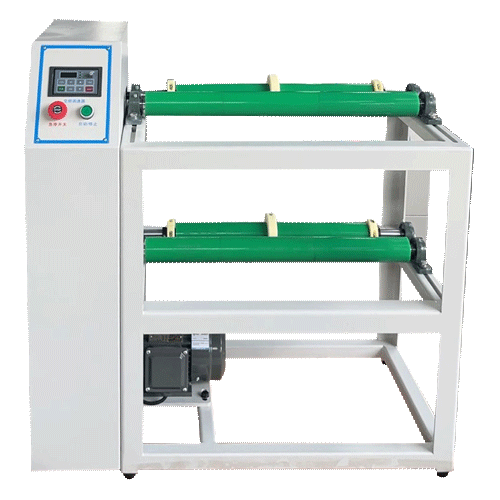
At its core, a four station jar mill is a specialized laboratory drum ball mill that allows researchers and quality control professionals to grind, mix, and homogenize powders from up to four different samples simultaneously. It is a compact, bench-top device widely used in materials science, chemistry, pharmaceuticals, and geology for preparing fine powders, mechanical alloying, and blending. The mill operates by rotating cylindrical grinding jars on powered rollers, using the tumbling action of grinding media inside the jars to reduce particle size and achieve uniform mixing.
Core Function and Working Principle
The fundamental function of a four station jar mill is to convert coarse granular materials into fine powders or homogenous mixtures. The working principle is straightforward yet highly effective: the mill features a set of parallel rollers mounted on a frame. Each roller is driven by a motor, and the grinding jars are placed on top of these rollers. As the rollers rotate, they impart frictional and rotational forces to the jars, causing the jars to spin around their own axes. Inside each jar, grinding balls (typically made of ceramic, agate, zirconia, or stainless steel) are lifted by the rotation and then fall back onto the material, creating impact and attrition forces that break down the particles.
Key process parameters include the rotation speed of the rollers (usually adjustable from tens to hundreds of RPM), the grinding time, the size and material of grinding balls, and the filling ratio of the jar. By controlling these variables, operators can achieve desired particle sizes ranging from coarse fragments down to sub-micron levels. The four-station design means that different samples can be processed under identical conditions (same speed, time, ball size) for comparative studies, or individual jars can be removed and replaced without interrupting the other stations, increasing experimental flexibility.
Key Components and Technical Features
While the four station jar mill is a relatively simple device, its reliable performance depends on several critical components:
- Roller Assembly: Typically made of wear-resistant rubber or polyurethane, the rollers provide consistent traction to drive the jars. The spacing between rollers is adjustable to accommodate jars of different diameters (commonly from 1.5 to 5 liters per jar).
- Driving System: A variable-speed motor (often a DC or stepper motor) with a digital controller allows precise speed regulation. Some models include a timer and automatic stop function for unattended operation.
- Grinding Jars: The jars are available in various materials – ceramic (alumina), agate, stainless steel, nylon, PTFE, etc. – to suit different sample types and avoid contamination. Each jar has a lid with a sealing gasket to prevent leakage.
- Grinding Media: Balls of different sizes (e.g., 5-20 mm diameter) and materials (zirconia, agate, steel, etc.) are selected based on the hardness and abrasiveness of the sample.
- Safety Features: Many four station jar mills include a protective guard that stops the rollers if opened, and overload protection to prevent motor damage.
Selection Criteria and Performance Indicators
When choosing a four station jar mill, consider the following key performance indicators:
- Number of Stations: The four-station model is ideal for moderate throughput. For higher sample volumes, eight-station models are available; for fewer samples, two-station mills may suffice.
- Speed Range: A wider speed range (e.g., 30-300 RPM) gives more control over grinding intensity. Low speeds are suitable for mixing, while high speeds enable fine grinding.
- Jar Capacity: Maximum jar volume per station typically ranges from 0.5 L to 5 L. Choose based on your sample quantity needs.
- Material Compatibility: Ensure the available jar materials are compatible with your samples (e.g., avoid metal contamination for sensitive materials).
- Noise and Vibration: Laboratory environments require quiet operation. Look for models with rubber feet and sound-dampening features.
- Ease of Maintenance: Removable rollers, accessible drive components, and simple jar cleaning mechanisms reduce downtime.
Applications and Selection Advice
Four station jar mills are used in a wide range of industries:
- Research Laboratories: For preparing small batches of ceramic powders, catalysts, pigments, and battery materials.
- Quality Control (QC): For routine grinding of raw materials and finished products in cement, mineral processing, and pharmaceutical industries.
- Educational Institutions: For teaching powder technology and mechanical alloying concepts.
- Geology and Mining: For grinding rock samples prior to chemical analysis.
For users who need to process multiple samples simultaneously under identical conditions, the four station jar mill offers an excellent balance of throughput and flexibility. If you primarily work with small volumes (e.g., 50-200 mL per jar), a two working station jar mill may be more economical. For high-throughput requirements, consider the jar mill with 8 working stations. Always choose jar and media materials that are chemically inert and harder than the sample to minimize contamination.
References
- Four station jar mill product page: https://www.planetaryballmills.com/products/grinding-series/drum-ball-mill/four-station-jar-mill.html
- Related product: Two working station jar mill: https://www.planetaryballmills.com/products/grinding-series/drum-ball-mill/two-working-station-jar-mill.html
- Related product: Jar mill with 8 working stations: https://www.planetaryballmills.com/products/grinding-series/drum-ball-mill/jar-mill-with-8-working-station.html
Related Products
Get In Touch
Our professional team will reply to you within one business day. Please feel free to contact us!