
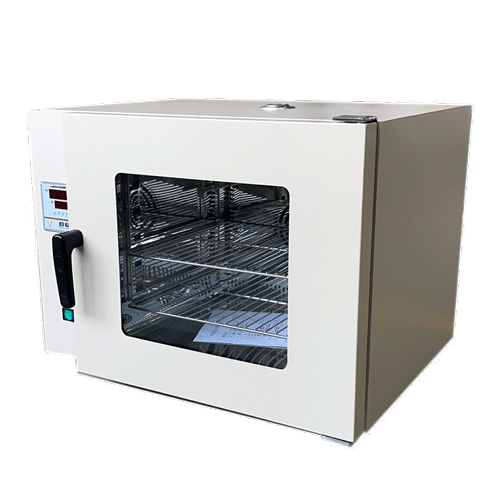
What is a Desktop Air Blower Dryer? A Forced Convection Drying Oven for Laboratory Sample Drying and Material Dehydration

What is a Desktop Air Blower Dryer?
At its core, a desktop air blower dryer is a professional forced-convection drying oven designed for laboratory, research, and small-scale industrial applications. It is used to rapidly and uniformly remove moisture from solid materials, such as powders, granules, chemical samples, electronic components, and biological specimens. Unlike simple static ovens, this device employs a built-in fan to actively circulate heated air throughout the chamber, ensuring consistent temperature distribution and significantly faster drying times.
Core Function and Working Principle
How It Transforms Wet Materials into Dry Products
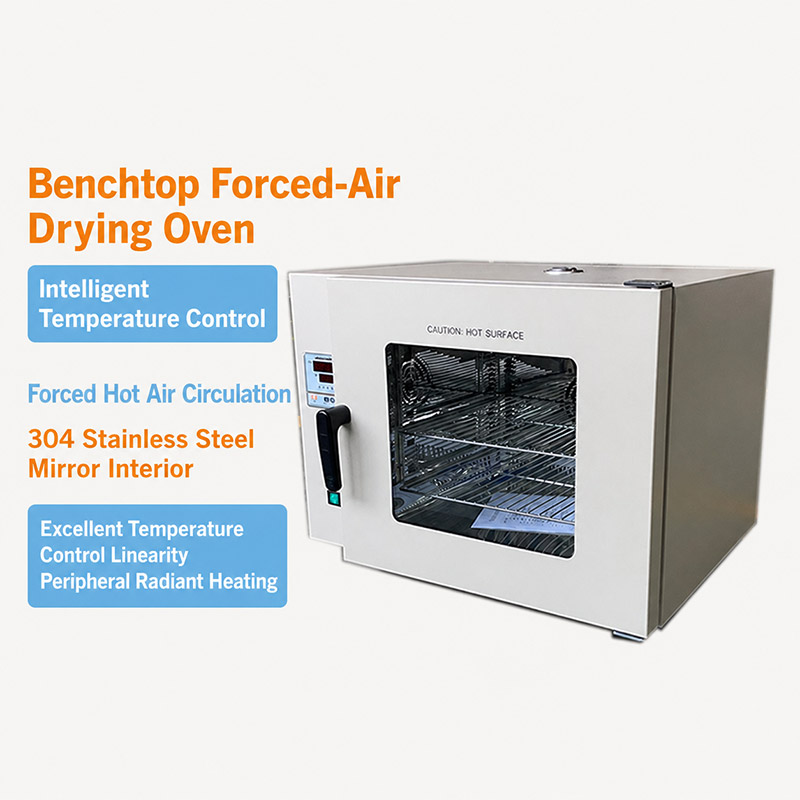
The desktop air blower dryer operates by converting electrical energy into heat, then using forced air convection to transfer that heat to the material. The process begins when the heating element (typically a set of electric resistance wires) raises the temperature inside the sealed chamber. Simultaneously, the centrifugal fan draws air from the chamber, passes it over the heating elements, and then pushes the hot air back into the chamber through adjustable vents. This continuous circulation of hot air rapidly increases the temperature of the material, causing moisture to evaporate. The humid air is then expelled through an exhaust port, while fresh air is drawn in to maintain the drying cycle.
Key Parameters and Their Influence
Critical parameters that affect drying performance include temperature setpoint (typically from ambient +10°C up to 300°C), airflow rate, and drying time. Higher temperatures accelerate evaporation but may degrade heat-sensitive materials. The fan speed determines the air exchange rate: higher flow provides faster drying but can cause particle entrainment for fine powders. Modern desktop air blower dryers, like those available from TENCAN, offer precise digital temperature control with accuracy of ±1°C and programmable timers, allowing reproducible drying protocols.
Core Components and Key Technologies
Unlike simpler drying ovens, the desktop air blower dryer integrates several essential components:
- Heating System: High-grade stainless steel heating elements with low thermal inertia for rapid temperature response.
- Forced Convection Fan: A dynamically balanced centrifugal fan that ensures uniform air distribution across all shelves.
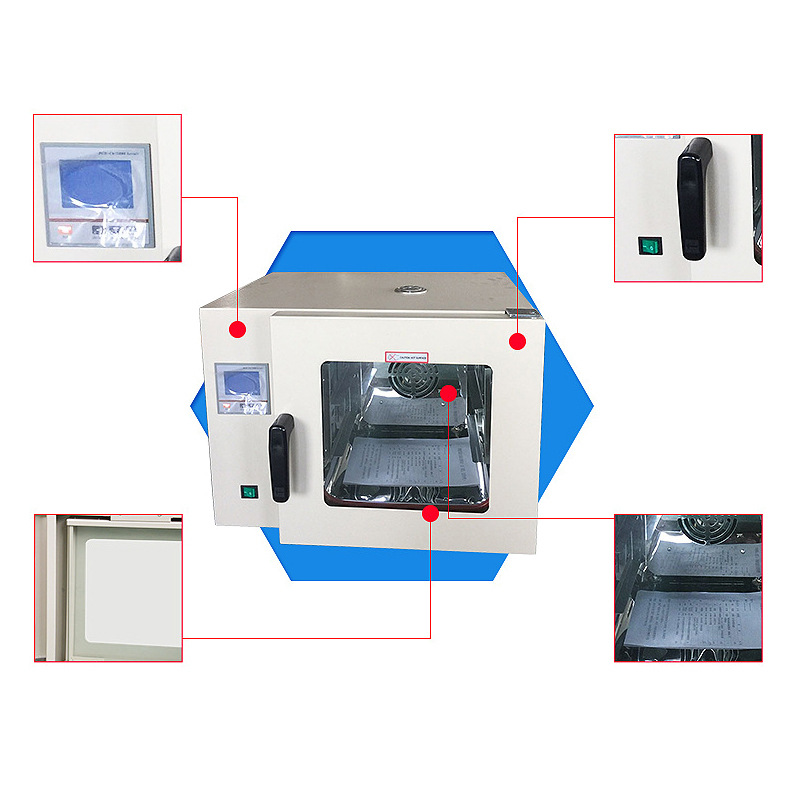
- Temperature Controller: Microprocessor-based PID controller with digital display, often including programmable multi-step ramping.
- Chamber Interior: Made of corrosion-resistant stainless steel with rounded corners for easy cleaning. Some models feature a tempered glass observation window.
- Safety Features: Over-temperature protection, door interlock, and independent limit thermostat.
Key Performance Indicators and Selection Criteria
Capacity and Throughput
Desktop models typically offer chamber volumes from 20 to 100 liters, with shelf loading up to 15 kg per shelf. The usable space and number of shelves determine batch size. For higher throughput, larger circulation ovens are available.
Temperature Uniformity and Stability
For sensitive materials, temperature uniformity across the chamber is critical. High-quality desktop air blower dryers achieve uniformity of ±2°C at 200°C. Stability (ability to maintain setpoint over time) is typically ±0.5°C. Models with dual fan systems or horizontal airflow designs provide better uniformity.
Energy Efficiency and Automation
Modern units incorporate energy-saving features such as low thermal conductivity insulation and programmable heating cycles. Automatic start/stop timers and data logging capabilities (via RS232 or USB) are valuable for quality control and reproducibility. Some precision air blower dryers offer even tighter control for demanding applications.
Ease of Maintenance
Consider the accessibility of the fan and heating elements for cleaning. Stainless steel interiors with removable shelves simplify cleaning. The external housing should be resistant to corrosion from laboratory fumes.
Application Fields and Selection Advice
Typical Applications
- Laboratory Sample Preparation: Drying of chemical reagents, pharmaceutical powders, and biological samples before analysis.
- Material Processing: Dehydration of ceramic powders, metal oxides, and polymer granules.
- Electronics Manufacturing: Baking of printed circuit boards, moisture removal from components.
- Environmental Testing: Conditioning of test specimens for moisture content analysis.
- Food and Agriculture: Drying of grains, seeds, and foodstuff for quality control.
Selection Recommendations
For basic laboratory drying of non-hazardous materials, a standard desktop model with digital temperature control is sufficient. If working with volatile solvents or heat-sensitive compounds, consider a vacuum drying oven for lower-temperature drying. For applications requiring extremely uniform temperature and programmable cycles, invest in a precision forced convection model. Always verify the maximum operating temperature, shelf capacity, and safety certifications.
References
Related Products
Get In Touch
Our professional team will reply to you within one business day. Please feel free to contact us!