

What is a Production Type Sand Mill? An Industrial-Scale Wet Grinding Equipment for Nano and Fine Powder Dispersion
Introduction to Production Type Sand Mill
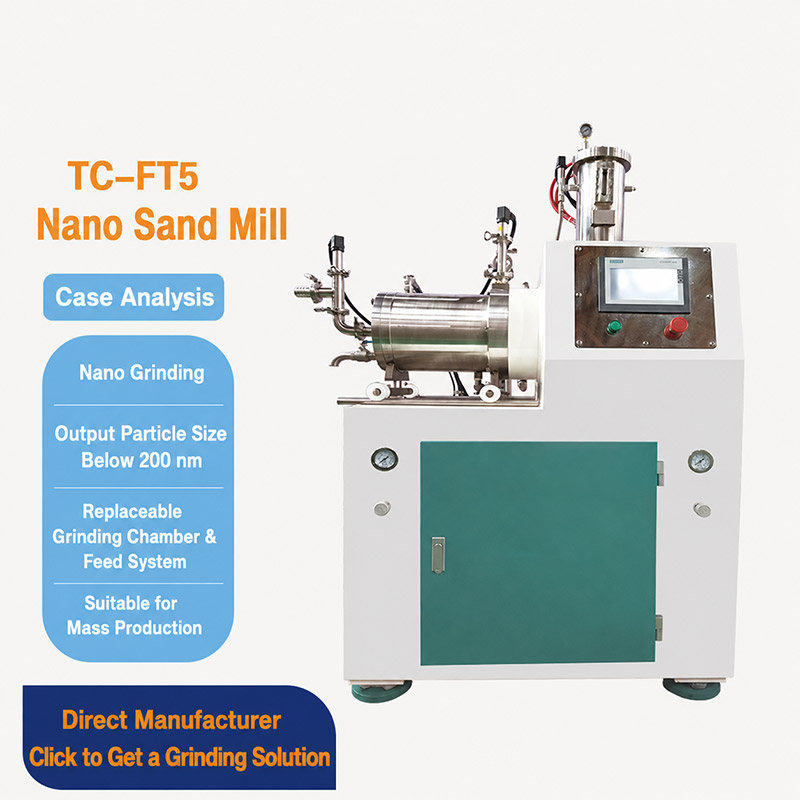
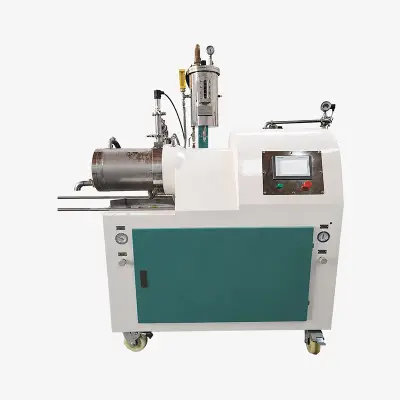
From its core, a production type sand mill (also known as a production bead mill or nano mill) is a high-efficiency wet grinding and dispersing machine specifically engineered for large-scale industrial manufacturing. Industries such as coatings, inks, pigments, and advanced battery materials use it to continuously process solid-liquid slurries into uniformly dispersed fine or nano-sized particles. Unlike laboratory mills, this type of equipment is designed for 24/7 operation in production environments, delivering a consistent output of high-quality dispersions with excellent particle size distribution. It effectively transforms a coarse, pre-mixed slurry into a stable, finely-milled final product.
Core Function and Working Principle
The basic function of a production type sand mill is to drastically reduce the particle size of solids dispersed in a liquid vehicle, moving from a gritty, lumpy mixture to a smooth, homogenous dispersion. The working principle is based on intense mechanical energy transfer. The pre-dispersed slurry is fed into the grinding chamber by a feeding pump. Inside the horizontally (or vertically) mounted chamber, a high-speed rotor—equipped with discs, pins, or bars—agitates a charge of small grinding media, typically zirconium oxide beads or ceramic beads.
As the rotor spins at high speed, it accelerates the grinding media, creating powerful collision, friction, and shear forces. These forces act on the solid particles trapped between the moving beads, effectively crushing and shearing them down to sub-micron or even nanometer sizes. The milled product is then separated from the grinding media through a dynamic or static separation system at the outlet. Key process parameters affecting the final fineness include the rotor speed, the size and density of the grinding media, the flow rate of the slurry, and the residence time within the chamber.
Key Components and Technology
Although the production type sand mill is a single category of equipment, it contains several critical design elements that define its performance:
1. Grinding Chamber Design
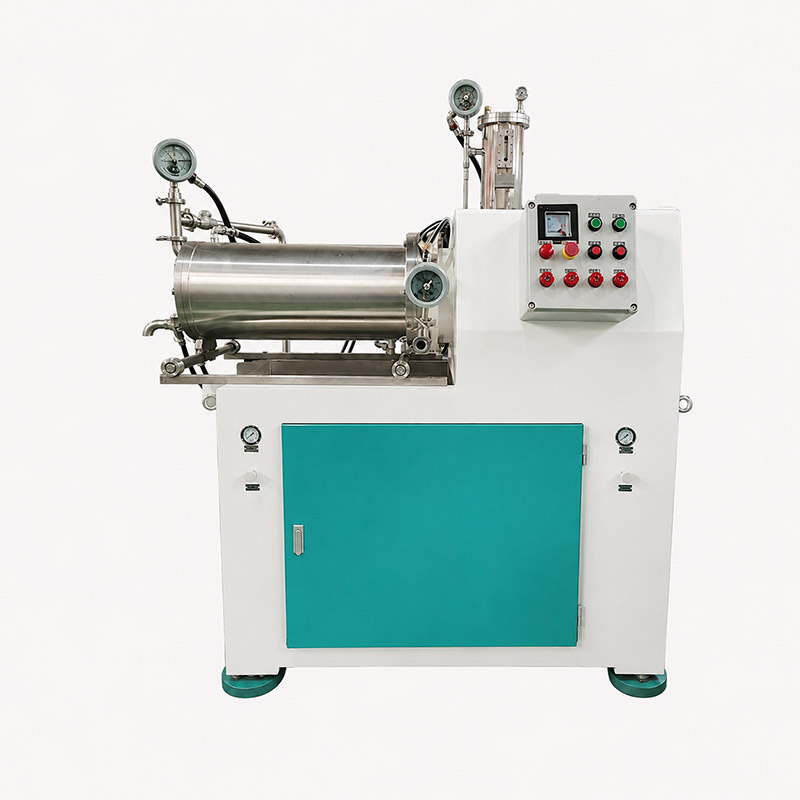
The chamber is typically made of hardened stainless steel or wear-resistant ceramics. Its volume determines the batch capacity and throughput. Advanced designs feature a narrow grinding gap to maximize energy density and efficiency.
2. Rotor and Agitator System
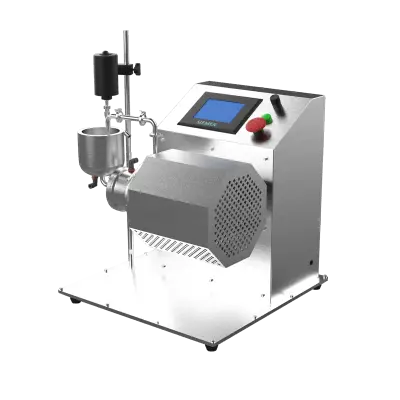
This is the heart of the machine. The rotor can be a disc type (flat or turbo discs) or a pin/bar type (solid rods). A pin-type rotor, like the one found in the lab horizontal bar pin nano sand mill, provides more intense shear and is ideal for achieving the finest particle sizes. The choice of rotor affects the energy distribution and the final product's quality.
3. Cooling System
High-energy grinding generates significant heat, which can degrade temperature-sensitive materials. Production sand mills are equipped with advanced cooling jackets surrounding the chamber, and in some cases, the rotor itself is cooled. Efficient heat dissipation is crucial for maintaining product quality and stable operation.
4. Separation System
This system separates the grinding media from the finished product. Dynamic gap separators (e.g., LDC dynamic slotted separators) are common in production mills. They allow for high flow rates without blockage and can handle very fine media (down to 0.1 mm), which is essential for nano-grinding.
Key Performance Indicators and Selection Guide
When selecting a production type sand mill for your manufacturing needs, several key performance metrics should be evaluated:
1. Processing Capacity and Throughput
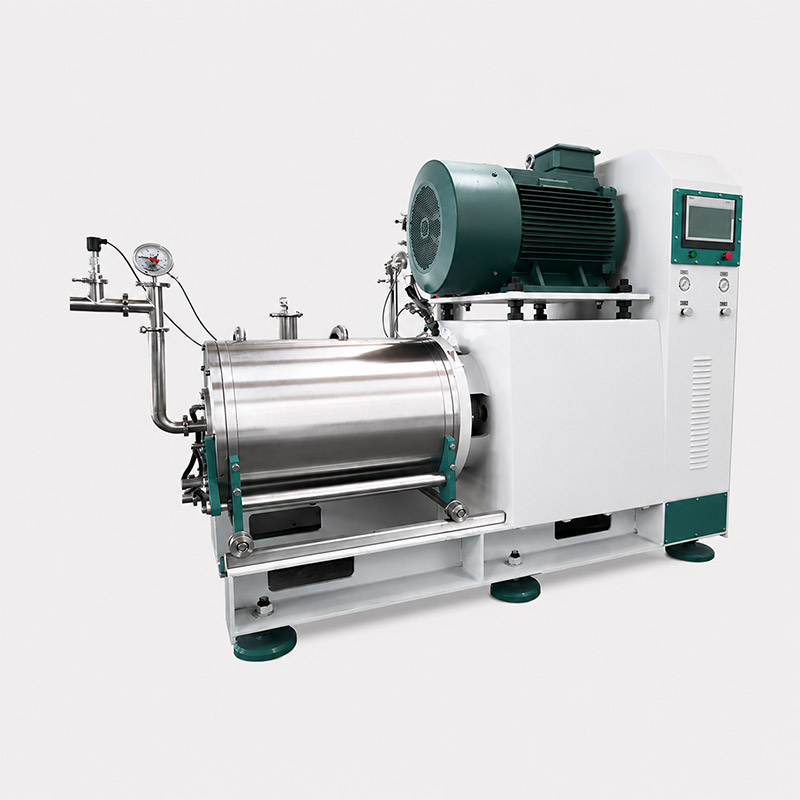
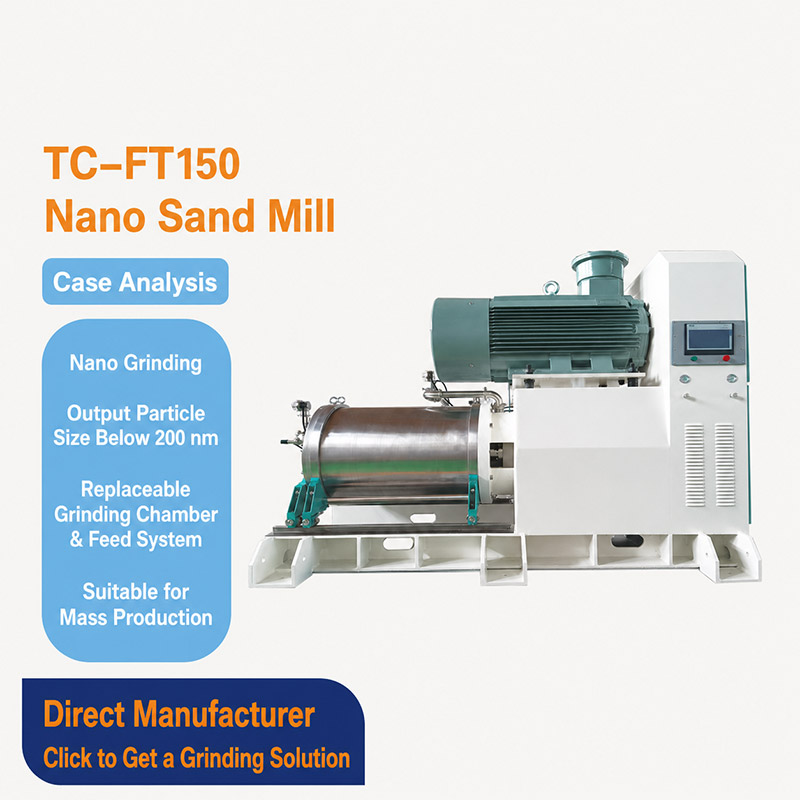
The capacity is directly related to the chamber volume. Production mills typically range from a few liters (for pilot plants) to over 1,000 liters (for large-scale production). It is essential to match the mill's capacity to your desired annual output. The continuous feeding and discharging nature of these mills ensures high throughput, making them ideal for large-batch production.
2. Particle Size Control and Precision
The ability to achieve and maintain a tight particle size distribution is critical. The mill's design, rotor speed, and media size are the main factors. High-energy density mills with pin-type rotors can reliably produce D50 values below 100 nm. A good sand mill should offer adjustable parameters to fine-tune the result for specific product requirements, like high-gloss paints or stable battery slurries.
3. Energy Efficiency & Automation
Modern production sand mills are designed for energy efficiency, converting more electrical power into effective grinding work. Advanced automation features, such as Programmable Logic Controllers (PLCs) and touch-screen interfaces, allow for precise control of process parameters, data logging, and recipe management. This minimizes operator intervention and ensures repeatable quality.
4. Maintenance and Wear Life
Given their continuous operation, wearing parts like the grinding chamber lining, rotor discs or pins, and seals must be durable and easy to replace. Look for mills with high-quality mechanical seals (e.g., double-end forced cooling mechanical seals) and easy-access designs that facilitate quick media changes and cleaning between different product batches.
Application Areas and Selection Advice
The production type sand mill is a versatile workhorse in many industries:
- Coatings and Paints: For dispersing pigments to achieve high color strength, gloss, and hiding power in automotive, industrial, and architectural paints. A disc-type mill with medium energy density is often suitable.
- Printing Inks: For producing inks for flexography, gravure, offset, and digital printing. The mill ensures good flow properties and printability. High-density pin-type mills are common for high-quality applications.
- Lithium-ion Battery Materials: This is the largest and fastest-growing market. The mill is used to grind cathode, anode, and separator materials into a stable and homogeneous slurry. The extreme fineness and narrow particle size distribution are critical for battery performance and safety. A high-energy, pin-type mill with a robust cooling system is preferred.
- Advanced Ceramics & Inks: For materials like ceramic inks, electronic pastes, and nano-catalysts, where precise particle size and purity are paramount.
For users choosing a machine, consider these suggestions:
- For high-viscosity products, a horizontal pin-type production mill is often the best choice.
- For heat-sensitive materials, prioritize models with high-performance cooling systems.
- For batch-to-batch flexibility, a machine with an easy-to-clean design and a dynamic separator is more suitable.
- Always perform a small-scale test with your specific material to determine the optimal configuration and process parameters.
Reference
Product page: Production Type Sand Mill - TENCAN
Related lab-scale version: Lab Horizontal Bar Pin Nano Sand Mill
Related Products
Get In Touch
Our professional team will reply to you within one business day. Please feel free to contact us!