

What is a Cetamic Roll Mill Jar? A High-Purity Grinding Container for Roll Ball Mills
What is a Cetamic Roll Mill Jar? A High-Purity Grinding Container for Roll Ball Mills
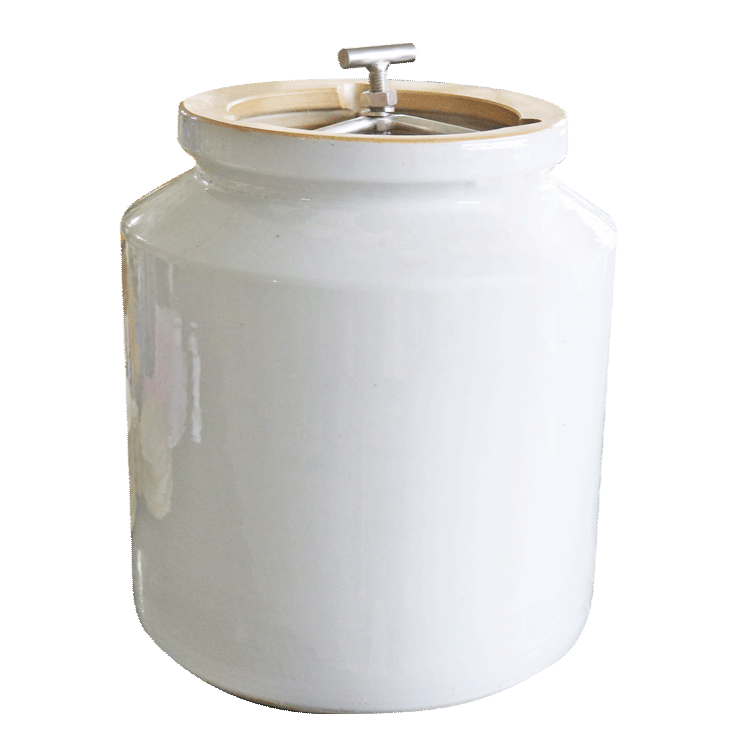
At its core, a cetamic roll mill jar is a specialized cylindrical container designed for use in roll ball mills (also known as roller ball mills). It is used by laboratories and small-scale production facilities to grind, mix, and homogenize powders with minimal contamination. The jar is made from high-quality ceramic materials, offering excellent wear resistance, corrosion resistance, and thermal stability, making it ideal for processing sensitive or high-purity materials.
Core Function and Working Principle
The cetamic roll mill jar serves as the grinding chamber in a roll ball mill. The mill consists of a set of rotating rollers, and the jar is placed on top of these rollers. As the rollers rotate, the jar spins on its axis, causing the grinding media (typically balls made of ceramic, zirconia, or agate) inside the jar to tumble and collide with the material. This impact and friction action gradually reduces the particle size of the feed material.
The key parameters that influence grinding efficiency include the rotation speed of the rollers, the size and density of the grinding media, the fill level of the jar, and the grinding time. The ceramic material of the jar itself is crucial because it minimizes the release of metallic or other contaminants into the sample, ensuring a high-purity final product.
Material Options and Key Characteristics
Cetamic roll mill jars are available in various ceramic formulations, each with distinct properties:
- Alumina (Al2O3) Ceramic Jar: The most common type, offering high hardness, good wear resistance, and chemical inertness. Suitable for general-purpose grinding of hard and brittle materials.
- Zirconia (ZrO2) Ceramic Jar: Provides even higher toughness and wear resistance, ideal for grinding very hard materials or when ultra-low contamination is required.
- Corundum Roll Mill Jar: A type of alumina ceramic with high purity and excellent abrasion resistance, often used in ceramic and glass industries.
Each ceramic type has a different density, hardness, and price point, so the choice depends on the specific material being processed and the desired purity level. For example, a corundum roll mill jar is a popular choice for high-temperature or abrasive applications.
Key Performance Indicators and Selection Criteria
When selecting a cetamic roll mill jar, consider the following factors:
- Capacity: Jars are available in various volumes, typically from 0.1L to 10L or more. Choose a size that matches your batch size and mill capabilities.
- Material Hardness: The ceramic should be harder than the material being ground to avoid excessive wear and contamination.
- Sealing: Some jars come with airtight lids, allowing vacuum or inert gas grinding to prevent oxidation or moisture absorption.
- Inner Surface Finish: A smooth, polished interior reduces friction and improves cleaning.
- Compatibility: Ensure the jar fits the specific roll ball mill model (e.g., light-duty, heavy-duty, or large roll ball mills).
For users who need high-volume production, a stainless steel roll mill jar might be an alternative, but ceramic jars offer superior purity and corrosion resistance for chemical-sensitive materials.
Application Areas and Selection Advice
Cetamic roll mill jars are widely used in:
- Materials Research: Grinding of ceramics, minerals, and composite powders for R&D.
- Battery Materials: Mixing and grinding of electrode materials (e.g., lithium cobalt oxide, graphite) without metallic contamination.
- Pharmaceuticals: Fine grinding of active pharmaceutical ingredients (APIs) and excipients.
- Chemical Industry: Homogenization of catalysts, pigments, and dyes.
For general-purpose lab grinding, an alumina ceramic jar is a cost-effective choice. For ultra-high-purity applications (e.g., electronic ceramics), a zirconia jar is recommended. If you need to grind abrasive materials like quartz or silicon carbide, a corundum jar provides excellent durability.
References
Related Products
Get In Touch
Our professional team will reply to you within one business day. Please feel free to contact us!