

What is a Two Working Station Jar Mill? A Compact Roller Ball Mill for Laboratory Ultrafine Grinding and Mixing
What is a Two Working Station Jar Mill? A Brief Definition
At its core, a two working station jar mill is a compact and versatile roller ball mill designed specifically for laboratory-scale ultrafine grinding and mixing. Also known as a rolling jar mill or roller ball mill, this equipment is used by research institutions, universities, and small-batch production facilities to grind, mix, and homogenize materials ranging from electronic ceramics to pharmaceutical powders. Its defining feature is the ability to process two grinding jars simultaneously, offering high efficiency and flexibility in a small footprint.
Core Function and Working Principle
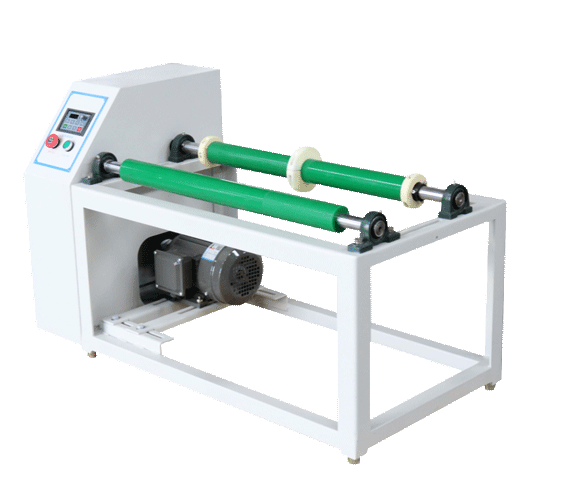
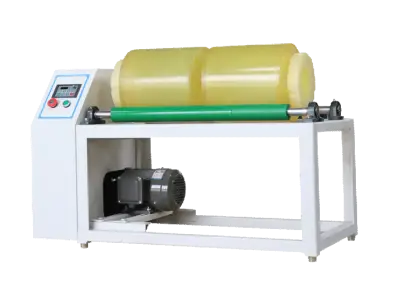
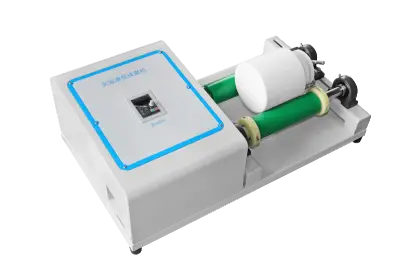
The primary function of a two working station jar mill is to transform coarse particles into fine or ultrafine powders through a process of mechanical attrition. The core mechanism is straightforward: the machine features two parallel rotating rollers (or one roller and a stationary bar) on which cylindrical grinding jars are placed. As the rollers rotate at a controlled speed, friction causes the jars to rotate as well. Inside each jar, grinding media (such as ceramic or stainless steel balls) tumble and cascade, impacting and shearing the material particles to achieve size reduction.
The working principle relies on the interplay of rotational speed, jar geometry, and media size. By adjusting the rotational speed of the rollers, operators can control the grinding intensity, from gentle mixing to high-energy milling. This flexibility makes the jar mill suitable for both dry and wet grinding applications. For instance, wet grinding with a liquid medium can produce finer particle sizes and prevent agglomeration, while dry grinding is simpler for many ceramic and metal powder processes.
Key Components and Technology
A two working station jar mill typically consists of the following core components:
- Roller System: Usually one or two driven rubber-coated rollers that provide friction to rotate the jars. The rubber coating minimizes slippage and vibration.
- Adjustable Speed Drive: A variable frequency drive (VFD) allows precise control of roller rotation speed, typically ranging from 50 to 410 rpm, adapting to different jar sizes and grinding requirements.
- Grinding Jars: Interchangeable jars made from various materials (e.g., stainless steel, agate, ceramic, PTFE) to suit different material compatibilities and contamination concerns.
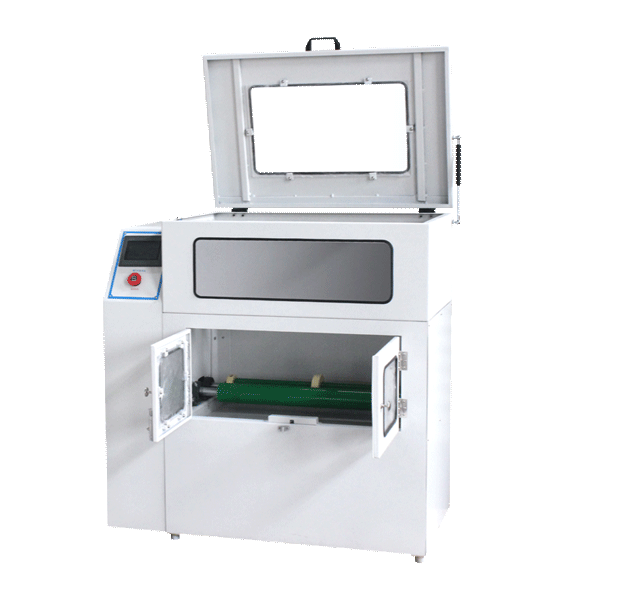
- Frame and Base: A sturdy, often compact, frame that supports the rollers and jars, designed to minimize noise and vibration during operation.
- Optional Digital Controls: Some models include digital timers and speed displays for precise process repeatability.
Unlike planetary ball mills, jar mills follow a simpler rotational motion without planetary revolution, making them gentler on samples and easier to operate for routine grinding tasks. They are ideal for materials that do not require extremely high energy input but need consistent and reproducible fineness.
Key Performance Indicators and Selection Factors
Processing Capacity and Jar Volume: The two station jar mill accommodates two jars simultaneously. Common jar volumes range from 50 mL to 20 L per jar, making it suitable for sample sizes from grams to several kilograms. For larger capacities, consider a four or eight station jar mill.
Speed Range and Grinding Intensity: A wider speed range (e.g., 50-410 rpm) provides greater flexibility for different materials. Hard and brittle materials require higher speeds and longer times, while soft or heat-sensitive materials benefit from lower speeds to avoid thermal degradation.
Material of Construction and Wear Life: The choice of jar and grinding media material is critical to avoid contamination. For example, agate jars are excellent for silica-free grinding, while stainless steel jars are durable for general purposes. Rubber rollers should be abrasion-resistant and long-lasting.
Noise and Vibration: High-quality jar mills operate quietly due to precision bearings and balanced rollers. This is especially important for lab environments where noise pollution can affect concentration.
Ease of Maintenance: Look for models with easily replaceable rollers and simple jar clamping mechanisms. A clean design that prevents powder spillage also reduces cleanup time.
Application Fields and Selection Advice
The two working station jar mill is widely used across multiple industries and research fields:
- Ceramics and Glazes: Grinding of ceramic powders, glaze formulations, and raw materials for tile and sanitaryware industries.
- Electronics and Magnetic Materials: Preparation of fine powders for capacitors, ferrites, and electronic pastes.
- Pharmaceuticals and Biomaterials: Fine grinding of drug compounds and formulation of homogeneous blends.
- Metal Powders: Mechanical alloying and size reduction of soft and hard metal powders.
- Geological and Environmental Samples: Grinding of rocks, minerals, and soil for analysis.
Selection Advice: For R&D labs that need to process a wide variety of materials on a small scale, a two station jar mill is an affordable and flexible starting point. If your work requires high-throughput or larger batches (e.g., pilot plant), consider upgrading to models with four or eight working stations. For ultrapure grinding without iron contamination, choose agate or zirconia jars.
Always verify the speed range, jar volume compatibility, and the availability of different jar materials before purchasing. For detailed specifications and pricing, visit the official product page of the Two working station jar mill.
Reference product page: Two working station jar mill – TENCAN
Related Products
Get In Touch
Our professional team will reply to you within one business day. Please feel free to contact us!