

What is a Mini Centrifuge? A Compact Separation Device for Rapid Sample Preparation in Laboratories
What is a Mini Centrifuge?
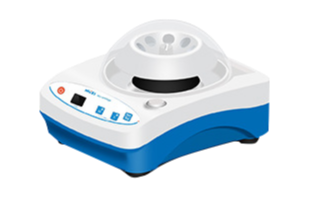
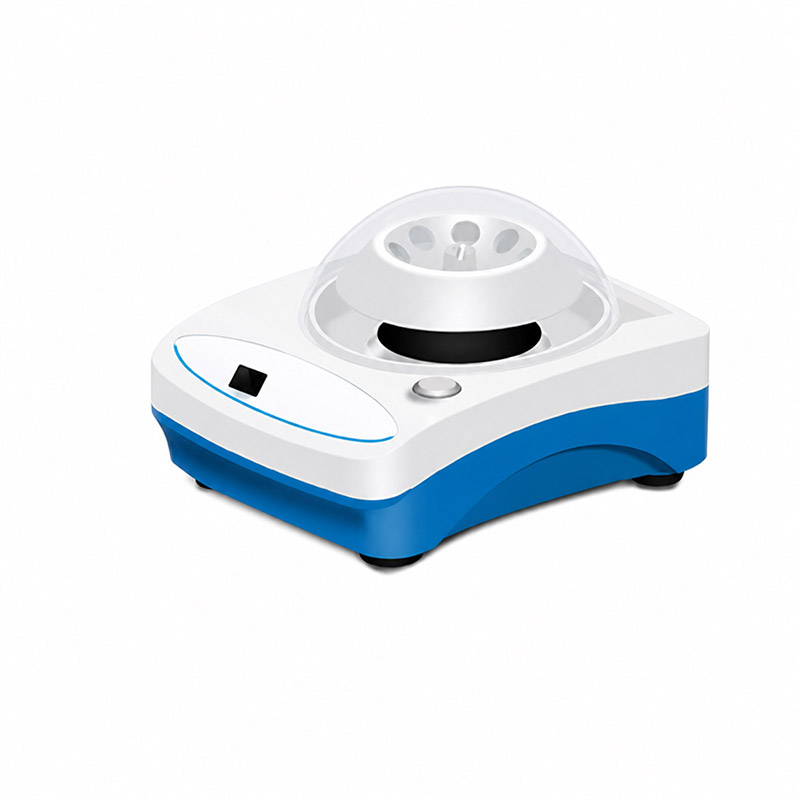
From the core, a mini centrifuge is a compact, high-speed separation device that laboratories and research facilities use to rapidly separate small volumes of liquids, such as microcentrifuge tubes. It is the go-to tool for tasks like pelleting cells, precipitating DNA, and spinning down condensate in PCR tubes, offering a quick and efficient solution for sample preparation in molecular biology, biochemistry, and clinical diagnostics.
Core Function and Working Principle
The primary function of a mini centrifuge is to separate components in a liquid mixture based on density by applying centrifugal force. The device works on the principle of sedimentation, where a high-speed rotor spins the sample tubes at thousands of revolutions per minute (RPM). The centrifugal force generated causes denser particles (e.g., cells, pellets, or precipitates) to move outward and settle at the bottom of the tube, while the lighter liquid (supernatant) remains on top.
Common applications include quick spin-downs to collect condensation from tube lids, brief centrifugations to separate micro-samples, and simple phase separations. Unlike larger, high-capacity centrifuges, the mini centrifuge is designed for small tubes (typically 0.2 mL to 2.0 mL) and delivers rapid results, often in seconds. Its low-profile design makes it ideal for use on crowded lab benches and in point-of-care settings.
Key Features and Technologies
Modern mini centrifuges are compact, portable, and often feature a simple, user-friendly interface. Many models come with a fixed-angle rotor that fits common microcentrifuge tubes and PCR strips. Some advanced versions offer variable speed settings, a timer, and a lid-lock safety mechanism. The small footprint and lightweight construction make the mini centrifuge easy to move and store.
Key Performance Indicators and Selection Criteria
When selecting a mini centrifuge, consider the following performance indicators:
- Rotor capacity and tube compatibility: Check if the rotor can hold your common tube sizes (1.5 mL, 2.0 mL, or 0.2 mL PCR strips). Some models accommodate both.
- Maximum speed (RPM): Higher speed (typically up to 7,000-14,000 RPM) provides greater centrifugal force for faster separation. For basic spin-downs, 6,000 RPM is often sufficient, but for pelleting down cells, higher speeds are beneficial.
- Operational simplicity: Look for a quick-start button, continuous run, or a simple timer. Some models are “always on” for quick sprints, while others have a timed run.
- Noise level and stability: A quieter operation is preferable for shared lab spaces. Rubber suction feet or a vibration-dampening base improves stability.
- Safety features: Essential safety features include an automatic lid-lock that prevents operation when the lid is open and an imbalance detection system that stops the rotor if tubes are not loaded evenly.
Application Areas and Selection Advice
The mini centrifuge is a staple in various fields, including molecular biology labs (for quick PCR spin-downs), clinical settings (for blood or urine separation), and biotechnology research (for cell pelleting or protein concentration). For routine use, a basic fixed-speed model is often sufficient. However, if you frequently need to run different types of protocols, a model with a higher speed range and a timer will provide more flexibility. Always verify that the centrifuge you purchase is compatible with the tube types and volumes you most commonly use.
References
Related Products
Get In Touch
Our professional team will reply to you within one business day. Please feel free to contact us!