

What is a Multi Channel Tissue Grinder? A High-Efficiency Sample Preparation Instrument for Simultaneous Processing of Multiple Biological Samples
What is a Multi Channel Tissue Grinder? A High-Efficiency Sample Preparation Instrument for Simultaneous Processing of Multiple Biological Samples
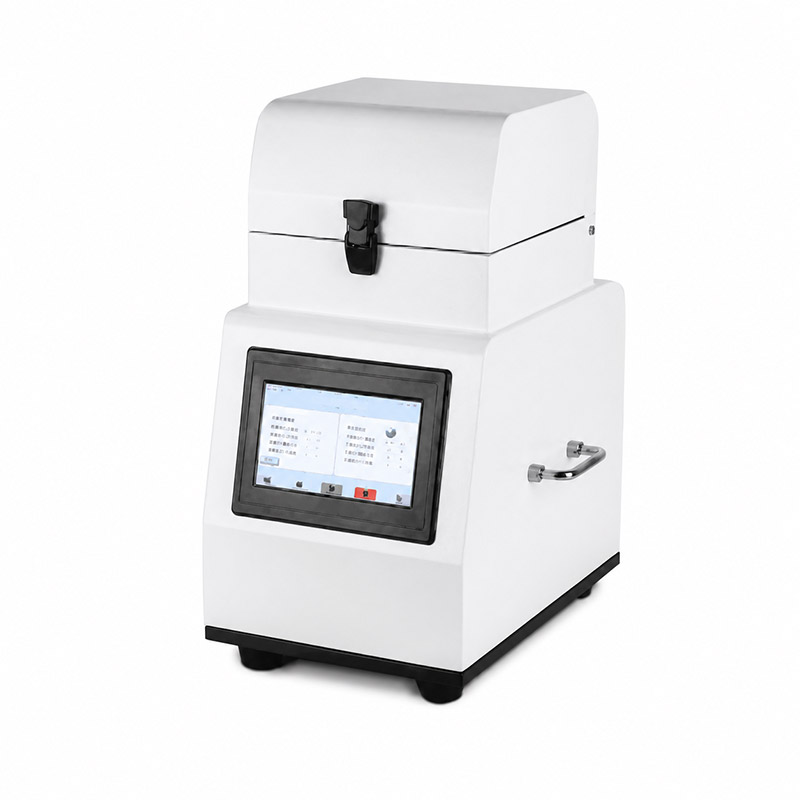
At its core, a Multi Channel Tissue Grinder is a specialized laboratory instrument that uses rapid oscillation and grinding media to simultaneously homogenize, grind, and lyse multiple biological samples—such as animal tissues, plant organs, bacteria, and fungi—in a short time. It solves the bottleneck of manual sample preparation by processing up to 48, 96, or even 576 samples in one batch, delivering consistent and reproducible results for downstream applications like DNA/RNA extraction, protein analysis, and drug screening.
Core Functions and Working Principle
A multi channel tissue grinder transforms solid biological samples into homogeneous slurries or fine powders. The core mechanism involves a motor-driven shaking platform that moves in a vertical or three-dimensional direction at high frequency. Grinding beads (made of zirconia, steel, or glass) placed in sample tubes collide with the sample material, creating impact, friction, and shear forces that break down cell walls and tissues. This process typically completes in 1–3 minutes, faster than traditional mortar-pestle or enzymatic methods.
Key parameters include vibration frequency (typically adjustable from 0–50 Hz), grinding time (seconds to minutes), and bead size (0.1–10 mm). Proper selection ensures complete cell lysis while preserving nucleic acid integrity. Some advanced models allow programming of multiple steps, such as pause cycles to prevent overheating or enable cryogenic grinding.
Core Components and Key Technologies
While the product line is primarily unitary as a multi-channel tissue grinder, its design incorporates several critical components that define its performance:
High‑Frequency Oscillation Mechanism
Unlike traditional horizontal shakers, modern multi channel tissue grinders often adopt a vertical oscillation mode that delivers greater kinetic energy, resulting in faster and more uniform grinding. This mechanism minimizes dead zones and ensures that all samples in the rack receive equal processing.
Versatile Sample Adapters
Adapters accommodate a wide range of tube sizes—from 0.5 mL microcentrifuge tubes up to 50 mL conical tubes, as well as 96‑deep‑well plates. Quick‑change clamps allow switching between formats without tools, increasing workflow flexibility.
Intelligent Control System
Touchscreen interfaces let users set custom protocols (time, speed, cycles) and store them for future use. Preset programs for common tissues (liver, leaf, heart, etc.) reduce setup time. Safety features like automatic lid lock and emergency stop prevent accidents during operation.
Key Performance Indicators and Selection Criteria
When selecting a Multi Channel Tissue Grinder, the following specifications matter most:
- Sample Throughput: The maximum number of tubes processed simultaneously. Entry‑level models handle 24–48 samples, while high‑throughput units can process 196 or 576 samples (via deep‑well plates).
- Grinding Speed and Efficiency: Vibration frequency range (typically 0–30 Hz for economy models, up to 50 Hz for advanced units) directly impacts processing time and final particle size. Higher frequencies yield finer and more uniform homogenates.
- Temperature Control: For heat‑sensitive samples (e.g., RNA, enzymes), models with a built‑in refrigeration system or compatibility with liquid nitrogen pre‑cooling are essential to prevent degradation.
- Automation and Reproducibility: Programmable parameters ensure batch‑to‑batch consistency. Look for models that store up to 100 protocols and allow user‑defined speed ramping.
- Noise and Vibration Levels: Quiet operation (below 70 dB) is preferable for shared labs. Robust construction with vibration isolation feet reduces bench‑top movement.
Application Areas and Selection Advice
Multi channel tissue grinders are indispensable in molecular biology, pharmacology, food safety testing, environmental monitoring, and forensic science. They excel in processes requiring high‑throughput nucleic acid extraction, protein purification, and pesticide residue analysis from plant and animal tissues.
Selection Advice: For labs focused on routine genomic work (e.g., plant breeding or clinical PCR), a mid‑range model processing 48–192 samples with frequency up to 30 Hz is sufficient. For core facilities or large‑scale projects (e.g., population genetics or drug screening), invest in a high‑throughput unit (≥576 samples) with refrigeration and advanced touchscreen control. Always check compatibility with your preferred tube types and ensure the grinding bead kit matches your sample hardness.
References
관련 제품
문의하기
전문팀이 영업일 기준 1일 이내에 답변드립니다. 언제든지 문의해 주세요!