

What is a Lab Vibration Ball Mill? A High-Efficiency Grinding Device for Rapid Sample Preparation and Cell Disruption
What is a Lab Vibration Ball Mill?
At its core, a Lab Vibration Ball Mill is a specialized laboratory grinding device designed for rapid and efficient size reduction of small sample volumes, typically from a few milliliters to a few hundred milliliters. It is widely used in research, quality control, and education to prepare powders for analysis, mix solid materials, or disrupt biological cells. Unlike traditional rotary ball mills, the vibration ball mill uses high-frequency oscillatory motion to generate intense impact and friction forces, achieving ultrafine grinding in minutes.
Core Function and Working Principle
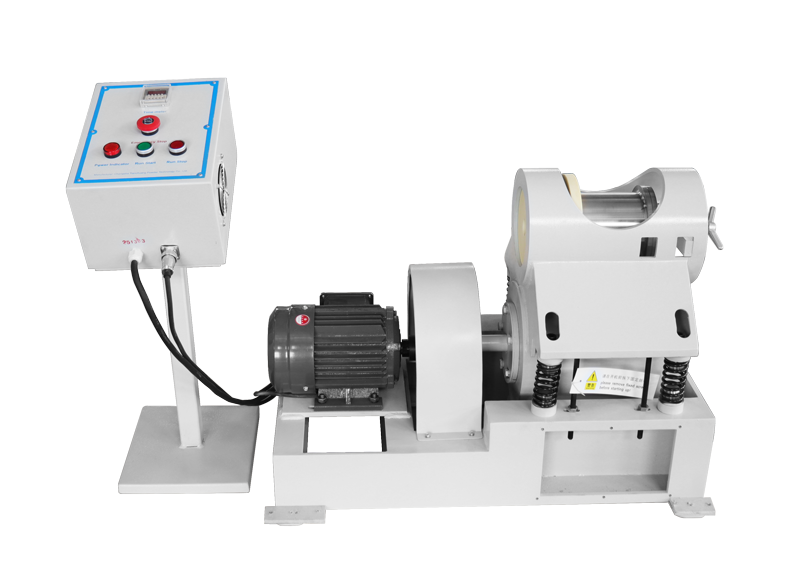
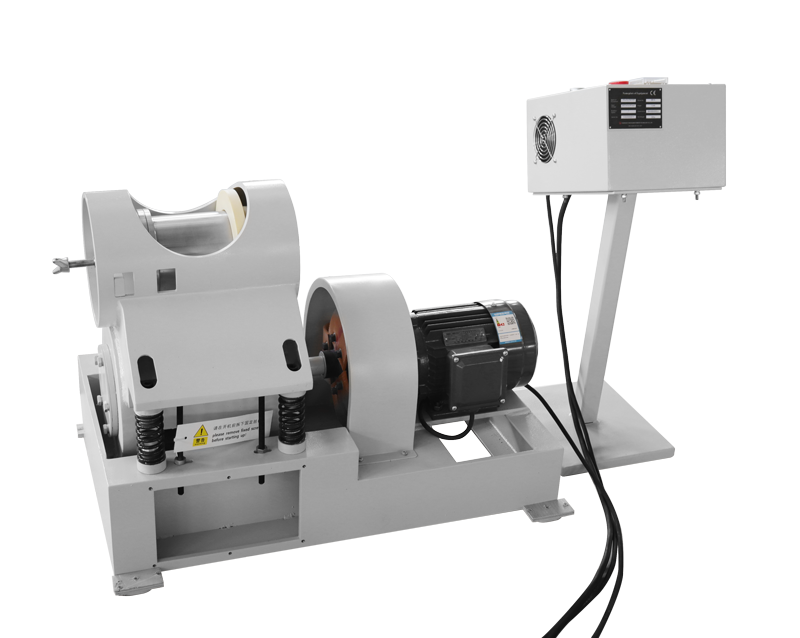
The Lab Vibration Ball Mill transforms coarse particles (up to 8 mm) into fine powders down to sub-micron levels by generating high-energy impacts between grinding balls and the sample. The machine consists of a sturdy base supporting a vibrating platform that holds one or more sealed grinding jars. An electric motor drives an eccentric mechanism, causing the platform to oscillate in a horizontal (or three-dimensional) arc at frequencies from 20 to 30 Hz.
Inside the grinding jar, balls of materials such as stainless steel, zirconia, agate, or tungsten carbide strike the sample repeatedly. The combined effects of impact, friction, and shear break down the material. For biological applications, small glass or zirconia beads (0.1–3 mm) are used to lyse cells and release intracellular contents. The process can be controlled by adjusting vibration frequency, amplitude, grinding time, and ball-to-sample ratio. Dry, wet, and cryogenic (using liquid nitrogen) grinding are all possible, making it a versatile tool for diverse sample types.
Main Types of Lab Vibration Ball Mills
Based on construction and capacity, Lab Vibration Ball Mills fall into three main categories:
Lightweight Vibration Ball Mill
This compact model is designed for single-jar operation, typically up to 50 mL. It is portable, quiet, and ideal for rapid grinding of small batches in pharmaceutical or biological labs. Its lower energy consumption makes it suitable for routine sample preparation.
Heavy-Duty Vibration Ball Mill
With a larger motor and reinforced frame, the heavy-duty version accommodates jars up to 500 mL and handles tougher materials like minerals, ceramics, and alloys. It offers adjustable frequency and amplitude, delivering higher impact energy for demanding applications such as mechanical alloying.
Lab Sample Grinder Machine
Also known as a high-throughput tissue grinder or cell mill, this variant focuses on biological sample processing. It features adapters for microcentrifuge tubes (e.g., 2 mL × 96 wells) and can simultaneously disrupt multiple samples for DNA/RNA extraction, protein analysis, or metabolite profiling.
Key Performance Indicators and Selection Criteria
When choosing a Lab Vibration Ball Mill, consider the following parameters:
- Throughput & Capacity: Determine the maximum sample volume per batch. Lightweight models handle 1–50 mL; heavy-duty models can process up to 500 mL or more.
- Final Fineness: Most vibration mills achieve particle sizes down to 5 µm. Some models can reach sub-micron levels with extended grinding and appropriate media.
- Frequency & Amplitude Control: Adjustable settings allow optimization for different materials. Higher frequency (e.g., 30 Hz) improves speed but may heat sensitive samples.
- Automation & Programmability: Advanced models offer digital timers, speed presets, and memory for SOPs, ensuring reproducibility.
- Maintenance: Look for easy-access jar clamps, durable springs, and vibration-dampening feet. Replaceable grinding jars reduce cross-contamination.
Applications and Selection Advice
Lab Vibration Ball Mills are used across diverse fields:
- Materials Science: Grinding of metals, oxides, carbides, polymers, and composite powders.
- Pharmaceuticals: Particle size reduction of APIs, excipients, and herbal extracts.
- Biology & Biochemistry: Cell disruption for nucleic acid extraction, protein purification, and metabolomics.
- Geology & Mining: Pulverization of rocks, ores, and soil samples for XRF, XRD, or ICP analysis.
- Food & Agriculture: Grinding of seeds, grains, and dried plant tissues.
For labs focusing on biological sample preparation, a multi-tube adaptor and cryogenic capability are essential. For hard materials, choose a heavy-duty model with tungsten carbide jars. Small R&D labs may prefer a lightweight, affordable unit for occasional use.
References
المنتجات ذات الصلة
تواصل معنا
سيرد فريقنا المتخصص عليك خلال يوم عمل واحد. لا تتردد في الاتصال بنا!